Khalistan narrative exploits Sikh diaspora identity crisis, report finds
Synopsis
A Khalsa Vox report reframes the Khalistan debate: it is not a territorial movement but a symptom of identity anxiety among Sikh diaspora communities in the West. By pinpointing how politicians like NDP leader Jagmeet Singh exploit that anxiety for electoral gain, the report raises an uncomfortable question — does Khalistan advocacy serve Sikh interests, or lock the community in a cycle of polarisation?
Key Takeaways
A Khalsa Vox report finds that Khalistan sympathisers in the West exploit Sikh diaspora identity struggles, not genuine marginalisation in India.
Ajay Banga (World Bank head), Milkha Singh , Jiggs Kalra , and ISRO scientist Harjot Singh Moga are cited as evidence of India's inclusive opportunities for Sikhs.
The report argues the Khalistan movement functions as a 'symbol of Sikh identity and unity' for diaspora communities facing assimilation pressures.
NDP leader Jagmeet Singh is highlighted as a politician who has leveraged Sikh identity politics to build electoral support in Canada .
The report warns that identity-based political mobilisation around Khalistan may perpetuate polarisation rather than serve long-term diaspora interests.
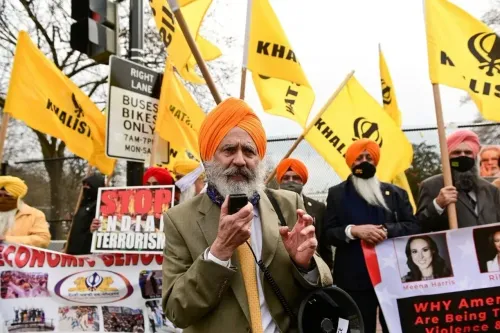
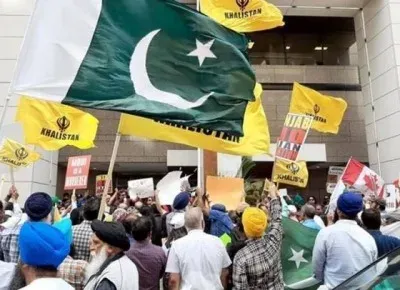
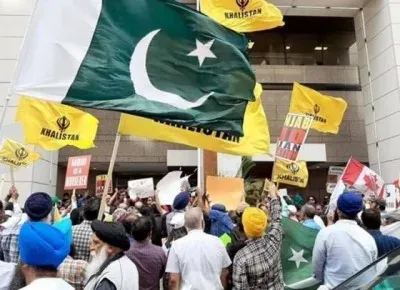
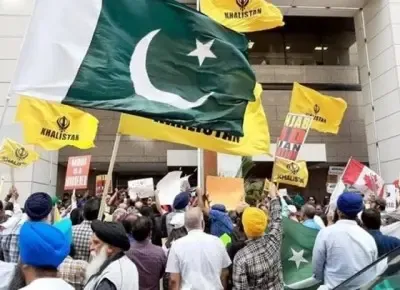
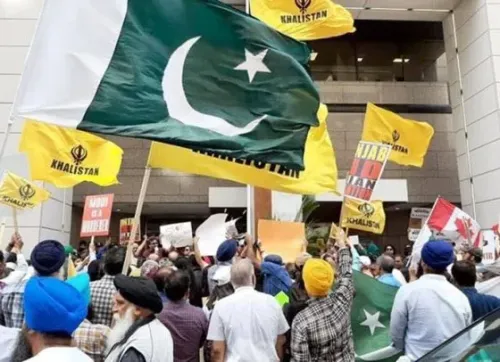
A new report by Khalsa Vox has found that Khalistan sympathisers in Western countries — though a small faction — routinely portray Sikhs as a marginalised community in India, a characterisation the report argues is at odds with the country's lived reality. The analysis, released on 10 October 2026, contends that the Khalistan movement's resonance among sections of the Sikh diaspora is less about territorial politics and more about an underlying identity crisis.
India's Inclusive Record as Counter-Narrative
The report cites prominent Sikhs who have risen to global prominence as evidence of India's ethos of equal opportunity. Ajay Banga, the current head of the World Bank and former chief executive of Mastercard, is highlighted as a defining example. 'Born and educated in India, Banga's narrative is a testament to the possibilities that the nation provides to its citizens, irrespective of their religious affiliations,' the report states, adding that Banga himself has described his journey as the perfect 'Make in India' example. The report also names sprint legend Milkha Singh, culinary pioneer Jiggs Kalra, and ISRO scientist Harjot Singh Moga among other illustrative figures.
Why the Khalistan Symbol Resonates in the Diaspora
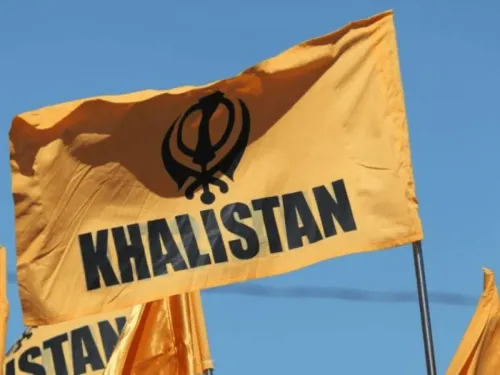
According to the report, a considerable section of the Sikh diaspora struggles to preserve its distinct cultural and religious identity while assimilating into adopted societies. 'This struggle often magnifies issues such as the Khalistan movement, which provides a rallying point around which a unique Sikh identity can coalesce,' the report notes. It argues that diasporic discourse around Khalistan frequently transcends territorial demands, 'metamorphosing into a symbol of Sikh identity and unity' — a function that differs sharply from its stated political objective.
Politicians and Identity Politics
The report identifies a pattern of political actors tapping into this identity anxiety. It singles out Canada's New Democratic Party (NDP) leader Jagmeet Singh as a prime example, noting that Singh — who began his career with a relatively modest profile — has 'skilfully navigated the complexities of identity politics, drawing on his Sikh identity to build a substantial following.' The report adds that Singh is not an isolated case, with politicians in other nations hosting significant Sikh populations similarly invoking Khalistan-adjacent sentiments to varying degrees in order to secure diaspora votes.
An Identity Crisis, Not a Territorial Debate
Khalsa Vox's central argument is that the Khalistan issue should be understood primarily as a diasporic identity crisis rather than a conventional separatist movement. 'Politicians might ride the wave of identity politics to electoral success, but the question remains whether this serves the long-term interests of the Sikh diaspora or merely perpetuates a cycle of identity-based polarisation,' the report cautions. This framing is notable because it shifts the analytical lens away from India-Pakistan geopolitics and toward the sociology of immigrant communities navigating dual identities.
Broader Implications
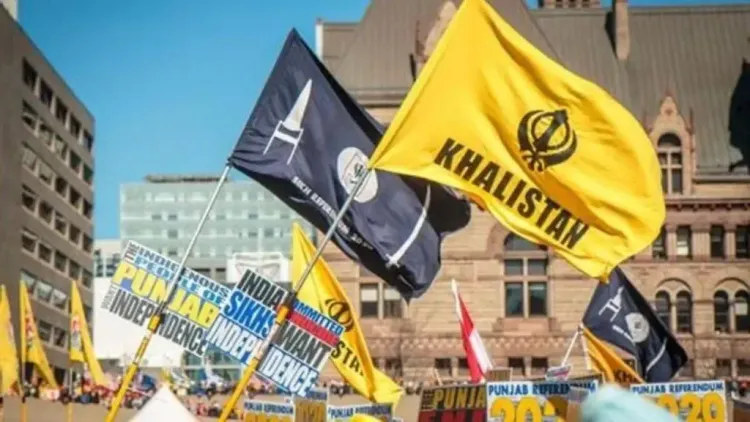
The findings arrive against a backdrop of heightened India-Canada diplomatic tensions linked to Khalistan-related activities in Ottawa and other Canadian cities. Critics argue that conflating diaspora identity struggles with separatist advocacy does a disservice to the majority of Sikhs — both in India and abroad — who hold no sympathy for the Khalistan cause. How governments and community organisations respond to the identity anxieties that the report identifies may determine whether the movement's appeal grows or gradually diminishes.
Point of View
When the evidence suggests most diaspora Sikhs are navigating assimilation, not separatism. The report's implicit warning is that governments and community leaders who fail to address legitimate identity concerns create the vacuum that Khalistan politics fills. Whether India's diplomatic strategy accounts for this sociological layer — rather than treating every diaspora grievance as a security threat — is the question that mainstream coverage consistently sidesteps.
NationPress
10 Oct 2026
Frequently Asked Questions
What does the Khalsa Vox report say about the Khalistan movement?
The report argues that the Khalistan movement's appeal among sections of the Sikh diaspora in the West is rooted in a deeper identity crisis rather than genuine political separatism. It contends that for many diaspora Sikhs, Khalistan has become a symbol of cultural unity rather than a territorial demand.
Why do Sikh diaspora communities in Western countries find the Khalistan narrative appealing?
According to the report, many diaspora Sikhs face challenges preserving their distinct cultural and religious identity while assimilating into adopted societies. This struggle amplifies movements like Khalistan, which offer a rallying point for a shared Sikh identity.
How does the report counter the claim that Sikhs are marginalised in India?
The report cites figures such as Ajay Banga — current World Bank head and former Mastercard CEO — as well as Milkha Singh, Jiggs Kalra, and ISRO scientist Harjot Singh Moga as evidence that India's ethos of equal opportunity has allowed Sikhs to achieve global prominence regardless of religious background.
What role does Jagmeet Singh play in the report's analysis?
The report identifies NDP leader Jagmeet Singh as a case study in how politicians exploit Sikh identity sentiments for electoral gain. It notes he built a substantial following by skilfully navigating identity politics, and adds that similar patterns exist among politicians in other countries with large Sikh populations.
Does the Khalistan movement represent the mainstream Sikh diaspora view?
The report explicitly describes Khalistan sympathisers as 'a small faction' within the Sikh diaspora. It cautions that identity-based political mobilisation around Khalistan risks perpetuating polarisation rather than serving the long-term interests of the broader Sikh community.