Gujarat CMO Greets Kutch on Ashadhi Beej New Year
Synopsis
The Chief Minister's Office of Gujarat marked Ashadhi Beej on 16 July 2026 with a Gujarati-language post greeting the Kutchi community on their traditional new year, celebrating the region's desert landscape, art traditions, and cultural identity.
Key Takeaways
The Chief Minister's Office of Gujarat posted Ashadhi Beej greetings on 16 July 2026 .
Ashadhi Beej marks the start of the traditional Kutchi new year , observed on the second day of the bright fortnight of the Hindu month of Ashadh.
The post was written in Gujarati and addressed the 'khmirvanta' (spirited, resilient) brothers and sisters of Kutch .
The message used the phrase 'lakh-lakh vadhamani' , a traditional Gujarati expression of abundant congratulations.
The post highlighted Kutch's identity as a place where the desert itself is art and nature becomes culture — a nod to the region's craft and heritage traditions.
Gujarat administrations have a consistent pattern of issuing official greetings for district-specific cultural festivals , particularly for Kutch.
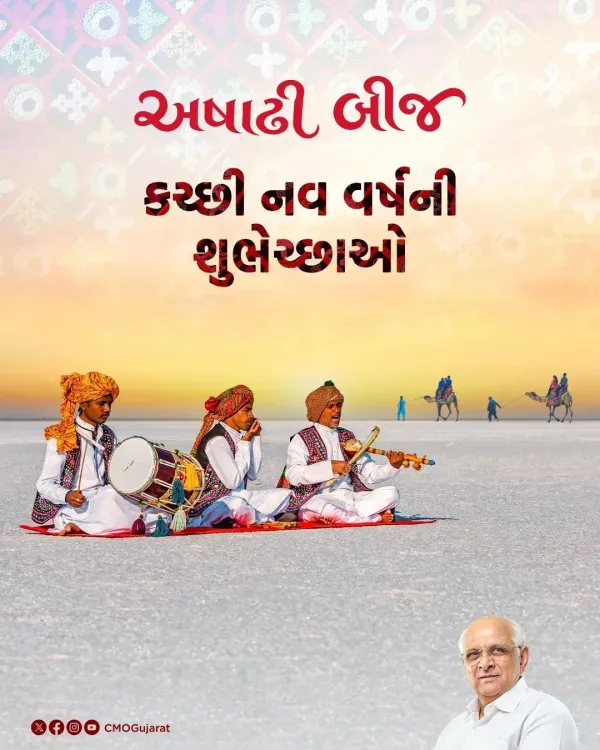
The Chief Minister's Office of Gujarat on Thursday, 16 July 2026 extended warm greetings to the people of Kutch on the occasion of Ashadhi Beej, the traditional Kutchi new year, through an official post on X.
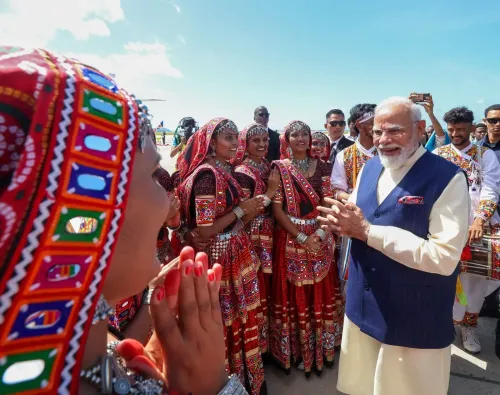
The post, written in Gujarati, celebrated the spirit of the Kutchi people with evocative imagery: 'જ્યાં રણ પણ કલા બનીને મલકે છે' ('where even the desert blooms as art') and 'જ્યાં પ્રકૃતિ પણ સંસ્કૃતિ બનીને છલકે છે' ('where even nature overflows as culture'). The message extended 'lakh-lakh vadhamani' — a traditional Gujarati expression of abundant congratulations — to the 'khmirvanta' (spirited, resilient) brothers and sisters of Kutch's dhinga dhara (the proud land of Kutch).
Context
Ashadhi Beej falls on the second day of the bright fortnight of the Hindu month of Ashadh and holds special significance for the Kutchi community as the start of their new year. The occasion is observed with cultural celebrations, community gatherings, and traditional rituals across Kutch district and among Kutchi diaspora communities worldwide. The CMO's message acknowledged the festival's dual identity — as a calendar milestone and as a marker of Kutch's distinct regional culture.
Policy Backdrop
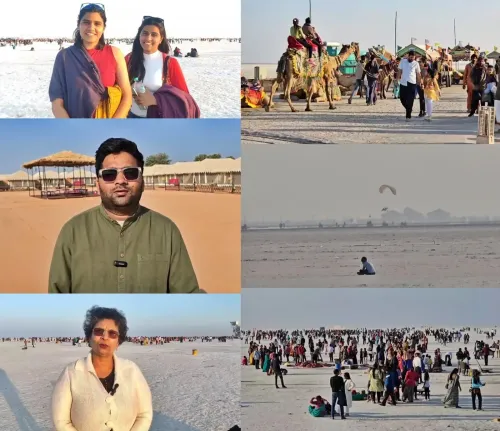
The Gujarat government has consistently used official channels to recognise district-specific festivals and cultural calendars, particularly for Kutch, a region that holds strategic, ecological, and heritage importance for the state. Kutch, home to the Rann of Kutch — one of the world's largest salt deserts — has been a focal point of state tourism and heritage promotion efforts. Official greetings timed with local festivals form part of a broader pattern of state-level cultural engagement that reinforces the government's connect with regional identities across Gujarat's diverse districts.
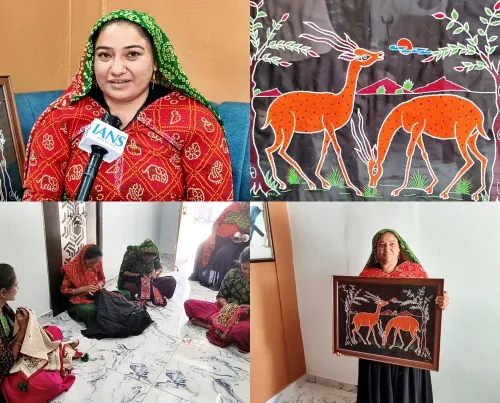
Kutch is also known for its rich craft traditions — including Kutchi embroidery, Rogan art, and Ajrakh block printing — which the state has promoted under various tourism and artisan-support initiatives. The CMO's poetic reference to the desert 'blooming as art' resonates directly with this cultural heritage.
Stakeholders and Impact
The primary audience for the message is the Kutchi community — both residents of Kutch district and the large Kutchi diaspora spread across Gujarat, India, and internationally. For this community, Ashadhi Beej is not merely a calendar date but a deeply felt cultural identity marker. An official acknowledgement from the state government carries symbolic weight, affirming the community's traditions within the broader framework of Gujarat's administrative and cultural life.
Artisans, craftspersons, and cultural practitioners in Kutch stand to benefit indirectly if such messaging is followed by concrete state announcements on heritage circuits, craft fairs, or tourism schemes timed with the new year period.
What's Next
Observers will watch for follow-up announcements from the Gujarat government on Kutch-specific tourism circuits, artisan support programmes, or heritage conservation schemes that may be timed with the Ashadhi Beej new year. The state's Rann Utsav tourism festival, which draws significant footfall to Kutch each year, has historically been accompanied by broader policy attention to the region's infrastructure and cultural economy. Whether this greeting translates into substantive policy announcements in the days ahead will be the key indicator of its significance beyond the ceremonial.
Point of View
Given its geographic scale, economic profile, and global diaspora, commands disproportionate cultural and electoral attention relative to its population. The poetic, literary register of the Gujarati post — rather than a plain administrative greeting — signals a deliberate effort to connect with community sentiment on its own cultural terms. Whether such messaging is accompanied by substantive policy action on craft promotion, tourism infrastructure, or artisan welfare will determine its longer-term credibility with stakeholders.
NationPress
16 Jul 2026
Frequently Asked Questions
What is Ashadhi Beej and why is it important for Kutch?
Ashadhi Beej is the second day of the bright fortnight of the Hindu month of Ashadh and marks the start of the traditional Kutchi new year. It is one of the most significant cultural occasions for the Kutchi community, celebrated with rituals, gatherings, and festivities both in Kutch district and among the global Kutchi diaspora.
What did the Gujarat CMO post on Ashadhi Beej 2026?
The Chief Minister's Office of Gujarat posted a Gujarati-language message on 16 July 2026 extending 'lakh-lakh vadhamani' (abundant congratulations) to the Kutchi community on Ashadhi Beej, celebrating Kutch's desert landscape, art traditions, and cultural spirit.
When is Ashadhi Beej in 2026?
In 2026, Ashadhi Beej falls on 16 July, as indicated by the Gujarat CMO's official post on that date greeting the Kutchi community on their traditional new year.
What is the significance of 'lakh-lakh vadhamani' in Gujarati culture?
'Lakh-lakh vadhamani' is a traditional Gujarati expression meaning 'a hundred-thousand-fold congratulations' or 'abundant felicitations.' It is commonly used during festivals, new year occasions, and auspicious events to convey heartfelt and overflowing good wishes.
Why does the Gujarat government issue greetings for Kutch-specific festivals?
The Gujarat government has a consistent practice of recognising district-specific cultural calendars and festivals through official channels. For Kutch in particular, such engagement reflects the region's distinct identity, its large diaspora community, and the state's broader interest in promoting Kutch's heritage and tourism profile.