Gujarat CMO Hails Districts for Shielding Pregnant Women, Newborns in Rain Alert
Synopsis
The Chief Minister's Office of Gujarat on July 31, 2026 commended district administrations for prioritising the safety of pregnant women and newborn infants in response to heavy rainfall warnings, calling the humanitarian action 'sensitive and praiseworthy.'
Key Takeaways
The Chief Minister's Office of Gujarat publicly praised district administrations on July 31, 2026 for their monsoon emergency response.
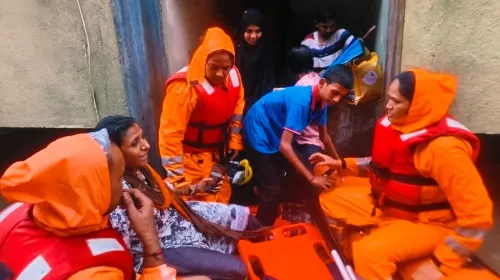
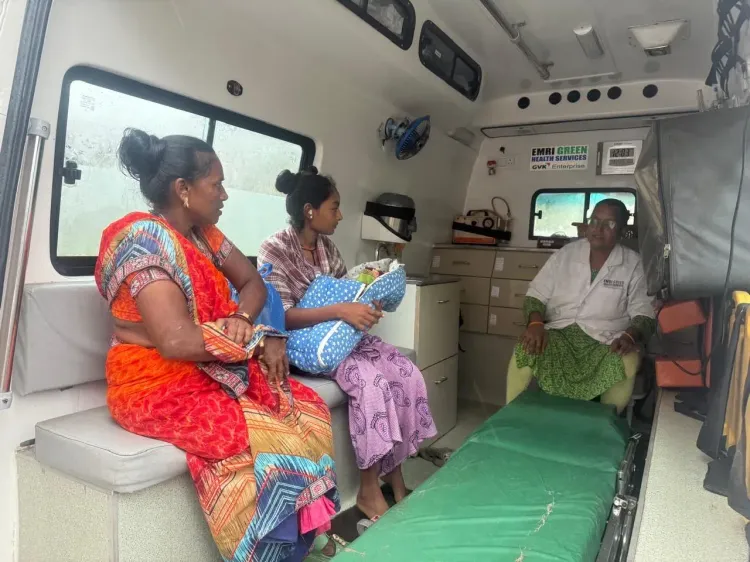
District machinery prioritised the evacuation and protection of pregnant women and newborn infants ahead of heavy rainfall.
The CMO described the action as manavtavadi karya — 'humanitarian work' — calling it 'sensitive and praiseworthy.' Gujarat's GSDMA , established in 2001 , provides the institutional framework for district-level disaster responses including maternal safety protocols.
Public commendation by the CMO reinforces administrative accountability and sets benchmarks for other districts during the active monsoon season.
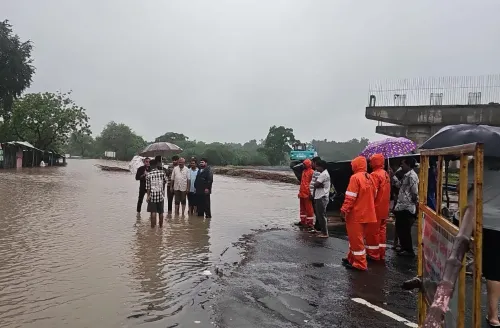
When heavy rain warnings descended on Gujarat, district administrations did not wait — they moved first to protect the most vulnerable: expectant mothers and newborn infants. The Chief Minister's Office of Gujarat on Friday, July 31, 2026, publicly commended this humanitarian response, calling the district administration's work 'sensitive and praiseworthy.'
The CMO's post, written in Gujarati, praised what it called manavtavadi karya — 'humanitarian work' — carried out by district administrative machinery in the face of heavy rainfall warnings. Prioritising the safety of pregnant women and newborn children, the post noted, was an act of exceptional administrative sensitivity during a crisis.
Maternal and child safety at the centre of Gujarat's monsoon protocol
Gujarat's approach to disaster preparedness has deep institutional roots. The Gujarat State Disaster Management Authority (GSDMA), established in 2001 following devastating floods and the Bhuj earthquake, provides the framework within which district administrations operate during weather emergencies. Maternal and child safety forms a standing priority within the state's annual monsoon preparedness cycle, particularly in flood-prone districts.
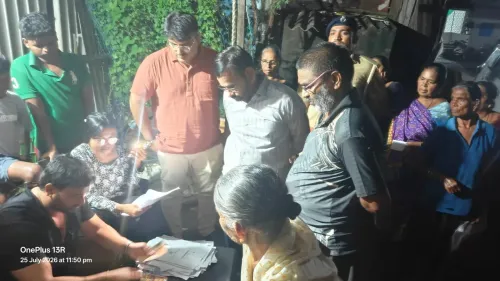
District-level collectors and administration teams are empowered to act pre-emptively — relocating pregnant women from high-risk zones, ensuring access to medical facilities, and securing newborns when infrastructure is threatened by inundation. The CMO's commendation signals that such protocols were activated and executed effectively ahead of this particular weather event.
Why public commendation matters in crisis governance
State governments across India regularly use official channels to highlight district-level responsiveness during monsoon season — and the practice serves a dual purpose. It reinforces public confidence in the administration's reach and accountability, while also setting a visible benchmark for other districts. When the Chief Minister's Office amplifies a specific humanitarian action, it functions as both recognition and direction.
Gujarat, which faces recurring heavy rainfall along its western coastline and river plains each monsoon, has built a reputation for relatively organised disaster response. Commendations like this one are part of that communication architecture — keeping administrative focus sharp when the season's risks are highest.
With the monsoon still active, all eyes now turn to whether the state will announce expanded relief measures or widen evacuation protocols across additional districts as rainfall forecasts evolve.
Point of View
Implicitly, pressure others to match it. Gujarat's long-standing investment in the GSDMA framework means this is not improvisation but a system performing as designed. The specific spotlight on maternal and child safety is politically astute: it humanises administrative machinery at a moment when monsoon distress is most acute. Whether this signals broader relief announcements or remains a standalone acknowledgement will define its actual policy weight.
NationPress
15 Sept 2026
Frequently Asked Questions
Why did Gujarat CMO praise district administrations on July 31 2026?
The Chief Minister's Office of Gujarat commended district administrations for prioritising the safety of pregnant women and newborn infants during a heavy rainfall warning, calling it sensitive and praiseworthy humanitarian work.
What is GSDMA and what role does it play in Gujarat floods?
The Gujarat State Disaster Management Authority (GSDMA) was established in 2001 to coordinate district-level responses to natural calamities, including heavy rainfall and floods, providing the framework for emergency protocols such as maternal and child safety evacuations.
How does Gujarat protect pregnant women during monsoon emergencies?
Gujarat district administrations follow standing protocols under the GSDMA framework to relocate pregnant women from high-risk zones, ensure access to medical facilities, and secure newborns when flooding threatens local infrastructure.
What does the Gujarat CMO post say about the district administration?
The CMO's post, written in Gujarati, described the district administration's work as 'sensitive and praiseworthy,' specifically highlighting the prioritisation of pregnant women and newborn infants during the heavy rain alert.
Which districts in Gujarat are most at risk during heavy monsoon rainfall?
Gujarat's western coastal districts and areas along major river plains are historically most vulnerable to heavy monsoon rainfall and flooding, though specific districts referenced in the July 2026 warning have not been officially confirmed.