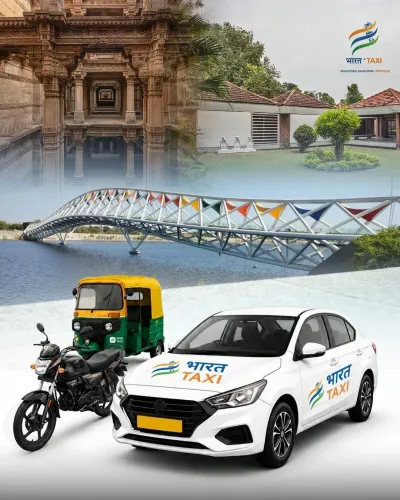
Gujarat CMO launches Bharat Taxi, India's first govt-cooperative cab service
Synopsis
Gujarat's Chief Minister's Office inaugurated Bharat Taxi on 27 June 2026 — India's first government-cooperative cab service — under the 'Prosperity through Cooperation' motto. Top pilot-phase drivers were felicitated with certificates and multiple MoUs were signed to scale the cooperative mobility initiative statewide.
Key Takeaways
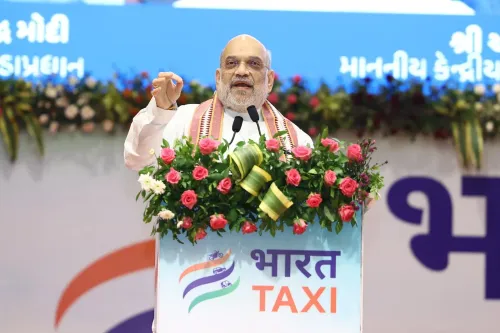
The Chief Minister's Office of Gujarat formally launched Bharat Taxi on 27 June 2026 , calling it India's first government and cooperative-based taxi service.
The initiative is anchored in the motto 'Sahakarthi Samridhi' — Prosperity through Cooperation — reflecting the national cooperative policy push since 2021.
Drivers who excelled during the pilot project phase were awarded certificates of recognition at the inauguration ceremony.
Multiple MoUs were signed with various institutions at the event to expand the reach and sustainability of Bharat Taxi.
The model gives drivers a cooperative ownership stake, distinguishing it from commission-based private aggregator platforms.
Gujarat's launch aligns with the Ministry of Cooperation , created in July 2021 to extend cooperative structures into new economic sectors including urban transport.
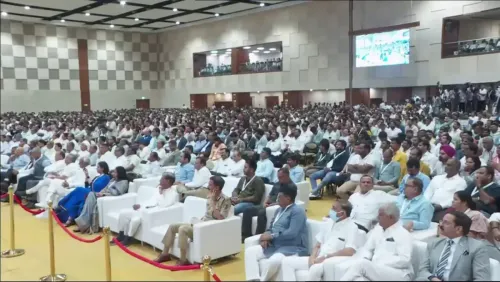
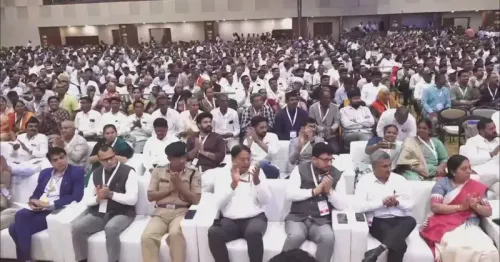
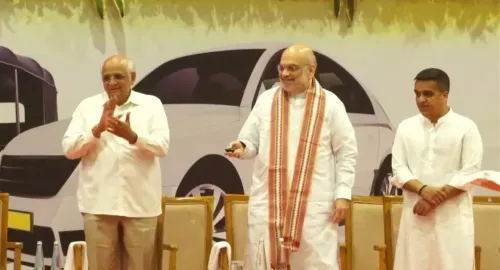
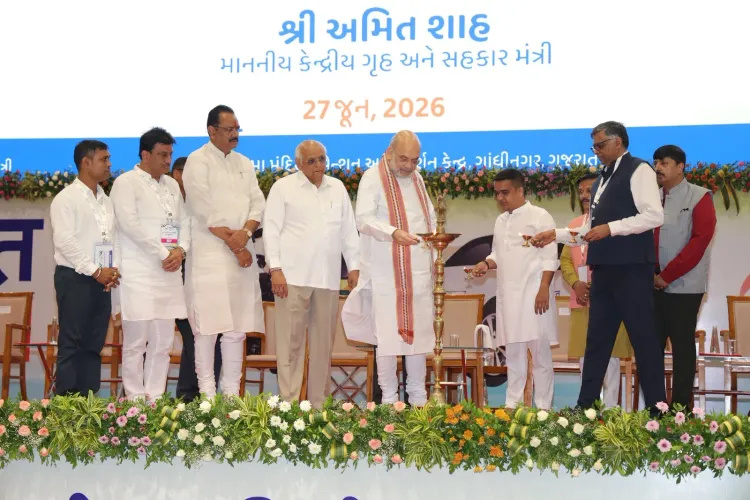
The Chief Minister's Office of Gujarat on Saturday, 27 June 2026 announced the formal inauguration of Bharat Taxi, described as India's first government-supported cooperative taxi service, at a ceremony where top-performing pilot-phase drivers received certificates of recognition and multiple memoranda of understanding were signed to scale the initiative.
The post, shared in Gujarati, stated that the launch was held under the motto 'Sahakarthi Samridhi' ('Prosperity through Cooperation') and that dignitaries honoured the sarathis — driver partners — who had performed outstandingly during the pilot project. Several institutions also signed MoUs at the event to broaden the reach and success of the Bharat Taxi project.
Context
Bharat Taxi is positioned as a cooperative alternative to private ride-hailing aggregators, designed to give drivers an ownership stake in the platform rather than functioning as gig workers for a private company. The pilot phase, run within Gujarat, tested the operational model before the formal public launch. Drivers who excelled during this phase were formally recognised at the inauguration ceremony.
The cooperative framing is significant: unlike conventional taxi aggregators, the Bharat Taxi model routes earnings and governance through cooperative structures, keeping economic benefits within driver communities and local institutions.
Policy Backdrop
The launch builds directly on the Ministry of Cooperation, established by the Union government in July 2021 to extend the cooperative model beyond its traditional base in agriculture and dairy into new economic domains, including urban mobility. Gujarat has a particularly deep cooperative heritage — Amul, founded in 1946, pioneered the state's cooperative identity and has since served as a template for sectoral expansion.
The state's cooperative network, rooted in dairy and rural credit, has progressively moved into urban services. Bharat Taxi represents one of the most visible applications of that expansion, aligning Gujarat's institutional infrastructure with the post-2021 national emphasis on cooperative-sector growth.
Stakeholders and Impact
The primary beneficiaries are taxi drivers and cooperative societies across Gujarat. By certifying pilot-phase drivers and signing institutional MoUs at the launch event, the government signalled a structured approach to onboarding and quality assurance rather than an open-ended aggregator model. Drivers gain formal recognition, a cooperative ownership stake, and insulation from the commission-heavy structures of private platforms.
Across India, several states have been experimenting with state-backed or cooperative ride-hailing models to reduce driver dependence on private aggregators. Gujarat's Bharat Taxi launch, backed by government branding and MoUs, positions the state as an early mover in formalising this model at scale.
What's Next
The MoUs signed at the inauguration are intended to deepen institutional partnerships and expand Bharat Taxi's geographic and operational footprint beyond the pilot zones. Cooperative-sector observers will watch whether other states with strong cooperative networks move to replicate the model, particularly as national cooperative policy reviews and transport policy discussions unfold in the coming months.
The success of Bharat Taxi's scale-up phase — measured by driver retention, ride volumes, and cooperative society participation — will determine whether the model becomes a replicable national template for government-cooperative urban mobility.
Point of View
The state government is constructing a visible contrast between cooperative ownership and gig-economy precarity — a narrative that resonates both locally and with the Union government's post-2021 cooperative expansion agenda. The choice to brand the service 'Bharat' signals aspirations well beyond Gujarat's borders, positioning the state as a potential incubator for a national cooperative mobility model. Whether the MoU-driven scaling translates into sustained driver income and ridership growth will be the real test of whether the cooperative framing is substantive or ceremonial.
NationPress
27 Jun 2026
Frequently Asked Questions
What is Bharat Taxi in Gujarat?
Bharat Taxi is India's first government-supported cooperative taxi service, launched in Gujarat on 27 June 2026. It operates under a cooperative ownership model, giving drivers a stake in the platform rather than making them gig workers for a private aggregator.
What does 'Sahakarthi Samridhi' mean?
'Sahakarthi Samridhi' is a Gujarati phrase meaning 'Prosperity through Cooperation.' It is the guiding motto of the Bharat Taxi initiative, reflecting the cooperative values underpinning the service.
How is Bharat Taxi different from Ola or Uber?
Unlike private aggregators such as Ola or Uber, Bharat Taxi is structured as a cooperative, meaning drivers share ownership and governance of the platform. This is intended to reduce the commission burden on drivers and retain earnings within local communities.
What MoUs were signed at the Bharat Taxi launch?
The Gujarat CMO confirmed that multiple MoUs were signed with various institutions at the inauguration to expand and strengthen the Bharat Taxi project. The specific partner organisations have not been officially disclosed in the public announcement.
Can Bharat Taxi be replicated in other Indian states?
Policy observers note that several Indian states are already experimenting with cooperative or state-backed ride-hailing models. Gujarat's Bharat Taxi, backed by institutional MoUs and government branding, is seen as a potential template for replication in states with strong cooperative networks.