Gujarat CM Bhupendra Patel grants ₹28 crore to 14 women MLAs on Raksha Bandhan
Synopsis
Gujarat CM Bhupendra Patel turned Raksha Bandhan into a governance moment — announcing ₹28 crore in constituency infrastructure grants for 14 women MLAs, with ₹2 crore each earmarked for roads and local development. The move hands women legislators direct discretion over priority projects in their areas, blending festival symbolism with state spending.
Key Takeaways
Gujarat CM Bhupendra Patel announced a ₹28 crore development grant on 27 August as a Raksha Bandhan gesture.
14 women MLAs will each receive ₹2 crore for road and infrastructure works in their constituencies.
Nine of the 14 legislators represent urban constituencies ; five represent rural constituencies .
Funds are earmarked strictly for constituency-level infrastructure — not personal benefit to the legislators.
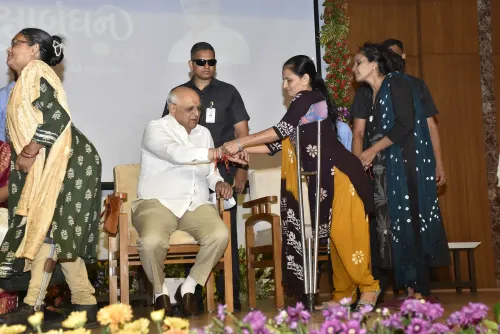
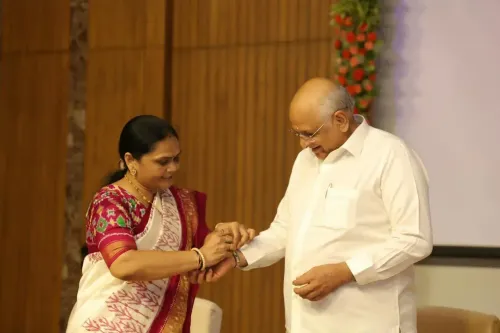
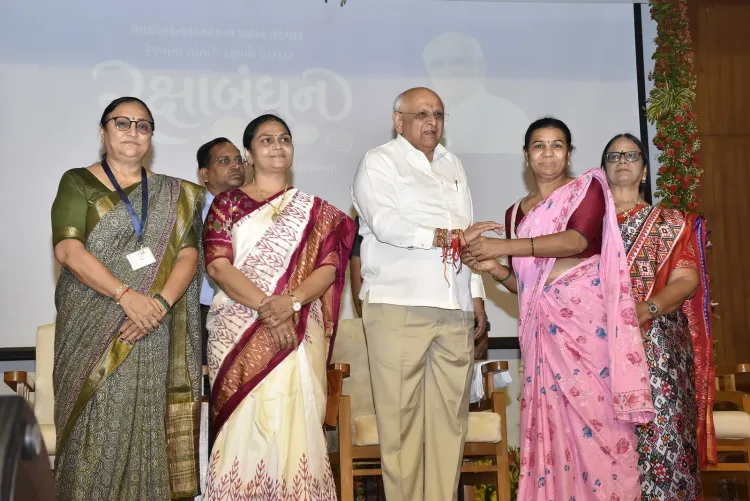
Patel also received rakhis from women representing social organisations, the Brahma Kumaris , and disability groups at Lok Bhavan , Gandhinagar.
Gujarat Chief Minister Bhupendra Patel on Thursday, 27 August announced a special development grant of ₹28 crore for road and infrastructure works in the constituencies of 14 women legislators, with each member of the legislative assembly set to receive ₹2 crore. The allocation was framed as a Raksha Bandhan gift, earmarked specifically for local infrastructure development rather than any direct personal benefit to the legislators.
What the Grant Covers
The funds are designated exclusively for road infrastructure and related development works, to be identified based on the priority needs of each constituency. Of the 14 women MLAs covered under the decision, nine represent urban constituencies while five represent rural constituencies. State officials said the projects would improve connectivity and ease of movement for residents across these areas.
What the Chief Minister Said
Patel shared the announcement on his X handle, writing: 'Special Gift to Women Legislator Sisters on the Occasion of the Sacred Raksha Bandhan Festival...' The post accompanied the formal government order, signalling the administration's intent to frame the grant as a symbolic gesture tied to the festival.
Raksha Bandhan Celebrations at Lok Bhavan
Earlier on Thursday, women from diverse communities gathered at Lok Bhavan in Gandhinagar to tie rakhis to Chief Minister Patel. Participants included members of social organisations, charitable institutions, the Brahma Kumaris, and groups working for persons with disabilities. Patel received their blessings and good wishes at the event.
Significance and Context
The grant mechanism — channelling festival goodwill into constituency-level infrastructure spending — is not unprecedented in Indian state politics, but the ₹28 crore outlay for a single occasion marks a notable allocation. Notably, the decision directly empowers women legislators to prioritise development works in their own constituencies, giving them discretionary say over local infrastructure priorities. The Gujarat government said specific projects would be finalised in accordance with each constituency's identified requirements.
Point of View
But the Gujarat government's ₹28 crore Raksha Bandhan allocation deserves scrutiny beyond the symbolism. Giving women MLAs discretionary infrastructure funds is genuinely empowering — but the absence of a public project-selection framework raises questions about accountability. Will the works be tendered transparently, or will the 'priority needs' determination remain opaque? The gesture plays well on X; the governance test is in the execution.
NationPress
11 Oct 2026
Frequently Asked Questions
What is the ₹28 crore Raksha Bandhan grant announced by Gujarat CM Bhupendra Patel?
It is a special development grant of ₹28 crore announced on 27 August by Gujarat Chief Minister Bhupendra Patel for 14 women MLAs, with each legislator receiving ₹2 crore for road and infrastructure works in their constituency. The grant is framed as a Raksha Bandhan gift and is not a personal benefit to the legislators.
Which MLAs are covered under the Gujarat women legislators' infrastructure grant?
The grant covers 14 women members of the Gujarat legislative assembly — nine from urban constituencies and five from rural constituencies. Specific names were not detailed in the official announcement; projects will be identified based on each constituency's priority needs.
How will the ₹2 crore per MLA be used?
Each MLA's ₹2 crore allocation is earmarked exclusively for road infrastructure and related development works within their constituency. Projects will be selected according to the priority requirements identified for each area, according to the state government.
What happened at Lok Bhavan on Raksha Bandhan?
Women from social organisations, charitable institutions, the Brahma Kumaris, and groups working for persons with disabilities gathered at Lok Bhavan in Gandhinagar to tie rakhis to CM Bhupendra Patel. He accepted their blessings and good wishes at the event.
Is this kind of festival-linked grant common in Indian state politics?
Linking festival occasions to governance announcements is a recurring practice in Indian state politics. However, the ₹28 crore scale of this single-occasion allocation and its direct empowerment of women legislators over constituency-level infrastructure spending is notable for Gujarat.