CM Bhupendra Patel Declares Drought in 4 Gujarat Districts

Synopsis
Gujarat CM Bhupendra Patel declared Kutch, Jamnagar, Porbandar and Devbhoomi Dwarka drought-affected on October 26, 2026, unlocking SDRF crop aid of ₹8,500 per hectare, ₹80 daily livestock support, 150 days of rural employment, and access to a 3-crore-kg fodder reserve.
Key Takeaways
Four districts declared drought-affected: Devbhoomi Dwarka, Porbandar, Kutch, and Jamnagar, even as Gujarat's overall monsoon average reached 89% .
Crop compensation: ₹8,500 per hectare under SDRF norms, limited to a maximum of 2 hectares per farmer.
Livestock support: ₹80 per animal per day at livestock camps for up to two months .
Rural employment: 150 person-days of guaranteed work per household under the VB-G RAM G scheme.
Fodder supply: 1.21 crore kg already distributed at ₹2/kg since June–July; 3 crore kg in reserve.
Declaration follows Central Government drought determination guidelines, unlocking structured SDRF-backed relief.
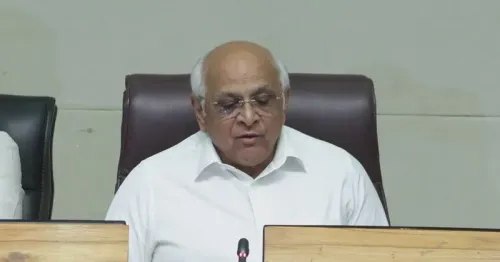
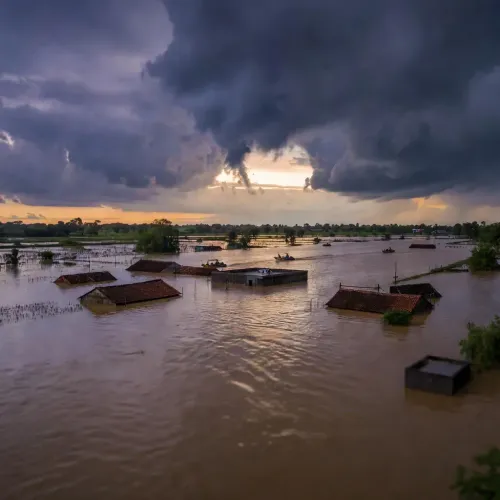
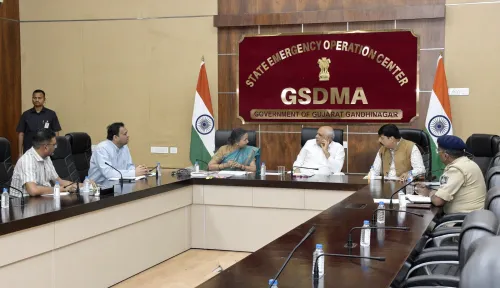
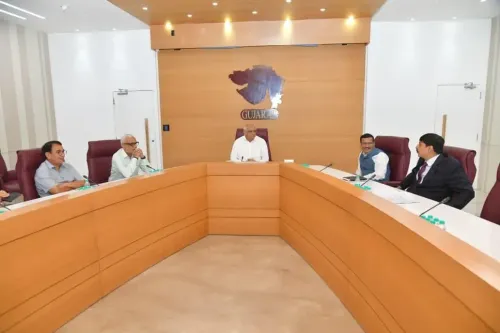
Four Gujarat districts — Devbhoomi Dwarka, Porbandar, Kutch, and Jamnagar — have been officially declared drought-affected, even as the state recorded an average 89% rainfall this monsoon season. Gujarat Chief Minister Bhupendra Patel announced the decision on Monday, October 26, 2026, citing a shortfall in these specific districts and invoking the Central Government's drought determination guidelines to unlock relief for farmers and livestock herders.
What drought status means for farmers in these four districts
Under SDRF (State Disaster Response Fund) norms, farmers in the declared districts will receive ₹8,500 per hectare in crop loss compensation, capped at a maximum of 2 hectares per beneficiary. The measure targets those whose harvests bore the brunt of an uneven monsoon — the kind of patchy rainfall that aggregate state-level numbers tend to mask.
For the state's large pastoralist community, livestock camps will pay out ₹80 per animal per day for up to two months — a direct cash lifeline for herders whose animals face fodder stress in the driest pockets of Saurashtra and Kutch.
Fodder stockpile and the VB-G RAM G employment push
The state did not wait for an official declaration to act. From as early as June–July 2026, subsidised fodder was being distributed statewide at ₹2 per kilogram. So far, 1.21 crore kilograms of grass have been distributed, and the government says a reserve of 3 crore kilograms is currently available — a buffer against fodder scarcity deepening through the dry months ahead.
Rural employment is the third pillar of the package. Under the VB-G RAM G scheme, households in affected villages will be guaranteed 150 person-days of employment, providing income support while agricultural activity stays depressed.
Kutch, Saurashtra, and the recurring drought cycle
The declaration is consistent with a well-documented pattern: Gujarat's arid western districts — particularly Kutch and the Saurashtra coast — regularly diverge from the state's aggregate monsoon performance. When the statewide average climbs to 89%, it can still conceal near-drought conditions in these districts, which sit in a climatic zone structurally prone to rainfall deficits. State governments have historically responded by aligning relief with central SDRF standards precisely to access a predictable compensation framework.
CM Patel credited the broader welfare orientation to Prime Minister Narendra Modi's guidance, stating that the government has 'always prioritised the interests of farmers and pastoralists' and that it stands beside them 'with full sensitivity' in this difficult period.
The speed of the fodder response — deployed months before a formal drought tag — and the scale of reserves now on hand suggest the administration moved to pre-empt a crisis rather than react to one. Whether the compensation disbursements reach the most marginal cultivators in Devbhoomi Dwarka and Porbandar as quickly will be the real test of the package's reach.
Point of View
Insulating the state government from accusations of delay while keeping relief predictable and auditable. Declaring drought in four districts while the statewide rainfall average sits at 89% is politically shrewd — it demonstrates granular administrative attention rather than blanket crisis management. The early fodder rollout from June–July, now cited as evidence of proactive governance, also positions the BJP-led state government ahead of potential criticism ahead of the agricultural distress season. The real political and policy test will be last-mile delivery of compensation to small and marginal farmers in remote Kutch and Saurashtra tehsils.
NationPress
26 Oct 2026
Frequently Asked Questions
Which Gujarat districts have been declared drought-affected in 2026?
The Gujarat government declared Devbhoomi Dwarka, Porbandar, Kutch, and Jamnagar as drought-affected districts in October 2026, citing below-normal rainfall in these regions despite the state's overall average reaching 89%.
How much compensation will farmers get under Gujarat's drought relief 2026?
Farmers in the four declared districts will receive ₹8,500 per hectare for crop losses under SDRF norms, subject to a maximum of 2 hectares per beneficiary.
What support is available for livestock owners in drought-hit Gujarat districts?
Livestock herders can enrol their animals at official camps, where they will receive ₹80 per animal per day for up to two months as fodder and care support.
What is the VB-G RAM G scheme mentioned in the Gujarat drought package?
The VB-G RAM G scheme is a rural employment programme under which households in drought-affected villages in Gujarat will be provided 150 person-days of employment to sustain rural incomes during the agricultural distress period.
How much fodder has Gujarat distributed during the 2026 drought?
As of the announcement on October 26, 2026, Gujarat had distributed 1.21 crore kilograms of fodder at a subsidised rate of ₹2 per kilogram since June–July, with an additional reserve of 3 crore kilograms available.