Gujarat DGP orders faster '112' emergency response across state
Synopsis
Gujarat's top cop has put the entire state police hierarchy on notice: the '112' emergency system must perform better, faster. DGP Gyanendra Singh Malik's directive — covering fleet repairs, staffing discipline, and real-time monitoring — signals that years after the unified emergency number's rollout, execution on the ground still needs fixing.
Key Takeaways
Gujarat DGP Gyanendra Singh Malik directed all police commissioners, range heads, and district SPs to reduce '112' emergency response times on 18 August .
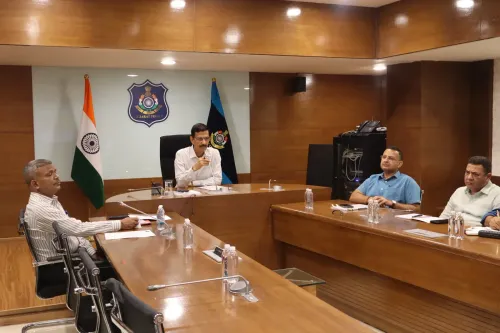
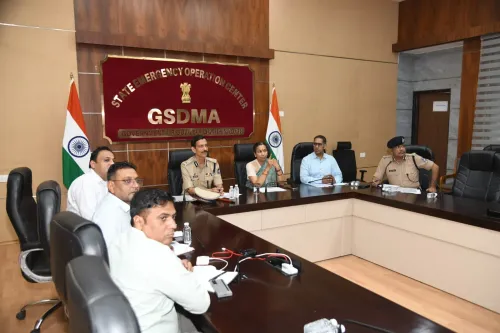
The review meeting was held via video conference from Police Bhavan, Gandhinagar .
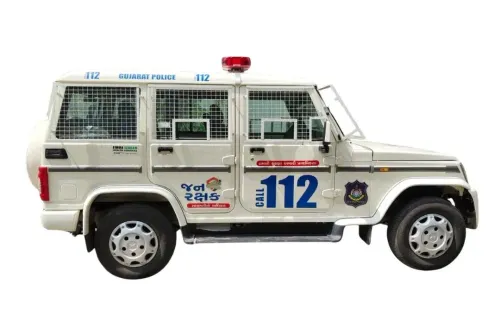
Officers were told to repair off-road police vehicles immediately to prevent fleet shortages during emergencies.
Proper staffing of 112 personnel and coordinated leave approval with control rooms were flagged as priority areas.
Gujarat's ERSS 112 accepts distress calls via voice, SMS, email, web, and SOS alerts, with real-time vehicle tracking and automatic location identification.
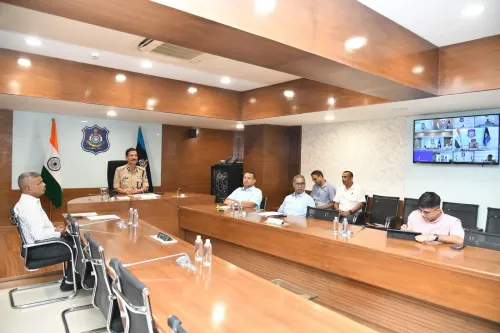
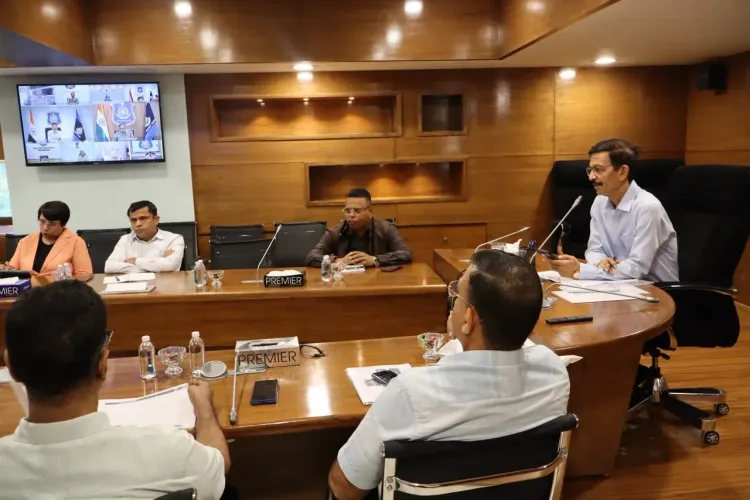
Gujarat Director General of Police Gyanendra Singh Malik has directed senior police officers across the state to cut response times for the Emergency Service '112' and ensure citizens in distress receive swift assistance. The directive was issued on 18 August during a video conference review meeting held at Police Bhavan, Gandhinagar.
Key Directives Issued
Malik convened the meeting with all police commissioners, range heads, and district superintendents of police to undertake a detailed review of the Emergency Response Support System (ERSS) 112. The focus was squarely on improving response times and operational readiness. Officials were instructed to continuously monitor system performance and initiate corrective action without delay.
The DGP also directed that police vehicles currently off the road be repaired immediately, ensuring fleet availability does not become a bottleneck during emergencies. Adequate staffing of 112 personnel was reviewed, with officers told to maintain proper attendance levels at all times.
Staffing and Coordination Gaps Flagged
A specific concern raised during the meeting was the need for better coordination with control rooms when approving leave for 112 staff. Malik stressed that leave approvals must not compromise staffing levels or degrade the system's emergency response capability — a gap that, if unaddressed, could delay assistance at critical moments.
How the 112 System Works
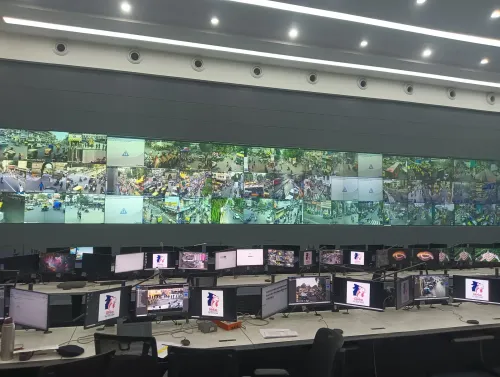
Gujarat is part of the Centre's nationwide unified emergency response mechanism, which routes police, fire, medical, and other emergency services through a single number. The system accepts distress requests via voice calls, SMS, email, web requests, and SOS or panic alerts. Control centres can track emergency response vehicles in real time and dispatch the nearest available unit. Automatic location identification is also available for callers unable to communicate their position.
Why This Review Matters
Response time in emergency policing is directly linked to outcomes — delayed arrival can mean the difference between preventing and merely recording a crime or accident. This review comes amid broader scrutiny of emergency infrastructure across Indian states. Notably, the 112 system has been operational in Gujarat for several years, but periodic reviews of this kind signal that performance gaps persist and require active course correction from the top. Malik's emphasis on real-time monitoring and immediate vehicle repairs suggests ground-level execution has not always matched the system's design intent.
All senior officers have been tasked with ensuring police vehicles reach citizens as quickly as possible, with the DGP calling for continuous operational monitoring and timely corrective action going forward.
Point of View
But operational discipline at the district level remains uneven. The fact that Malik had to personally direct that broken vehicles be fixed 'immediately' points to a maintenance culture that has not kept pace with the system's ambitions. India's unified emergency number has been touted as a transformational public safety tool, but its real-world impact depends entirely on last-mile execution — precisely the gap this review is trying to close. Whether a single directive translates into sustained improvement will depend on whether monitoring mechanisms have teeth.
NationPress
18 Aug 2026
Frequently Asked Questions
What did Gujarat DGP Gyanendra Singh Malik direct on 18 August?
Malik directed all senior police officers across Gujarat to reduce response times for the '112' emergency service and ensure citizens receive immediate assistance during emergencies. The directive came during a video conference review meeting at Police Bhavan, Gandhinagar, attended by police commissioners, range heads, and district superintendents of police.
What is the Emergency Response Support System 112?
ERSS 112 is India's nationwide unified emergency number that connects citizens to police, fire, medical, and other emergency services through a single call. The system accepts requests via voice calls, SMS, email, web, and SOS alerts, and allows control centres to track and dispatch the nearest available response vehicle in real time.
Why were vehicle repairs specifically flagged at the meeting?
DGP Malik directed that police vehicles currently off the road be repaired immediately, as fleet unavailability can directly delay emergency response. Ensuring adequate vehicle availability was identified as a key operational gap affecting the system's performance.
How does staffing affect the 112 emergency system?
Insufficient staffing or poorly coordinated leave approvals can reduce the number of personnel available to handle emergency calls and dispatches. Malik instructed officials to maintain proper attendance and to coordinate with control rooms before approving leave for 112 staff so response capability is not compromised.
Is Gujarat's 112 system linked to a national framework?
Yes. Gujarat is part of the Centre's nationwide unified emergency response mechanism, which routes multiple emergency services — police, fire, and medical — through the single number 112. The system includes real-time vehicle tracking and automatic location identification for callers in distress.