Gujarat DGP K. L. N. Rao inspects Ahmedabad Metro security, backs fuel conservation drive
Synopsis
Gujarat's top cop didn't just issue a circular — he boarded the Metro. DGP K. L. N. Rao's hands-on ride from Ranip to Gandhinagar combined a live security audit with a public nudge toward mass transit, as Ahmedabad Metro ridership approaches 5 crore annually — double its launch figures. The visit underscores how fuel conservation is now a law-enforcement talking point, not just a transport one.
Key Takeaways
Rao rode the Ahmedabad Metro from Ranip Metro Station to Gandhinagar on 20 May to inspect security arrangements.
He reviewed CCTV systems , metal detectors , entry/exit points, and security personnel deployment across the Metro network.
Annual Metro ridership in Ahmedabad has risen from 2.5 crore at launch to nearly 5 crore in the current year.
The inspection was tied to PM Narendra Modi's national appeal for fuel conservation and greater use of public transport.
Dr Rao specifically flagged women's safety during late-night travel, urging passengers to report concerns to police immediately.
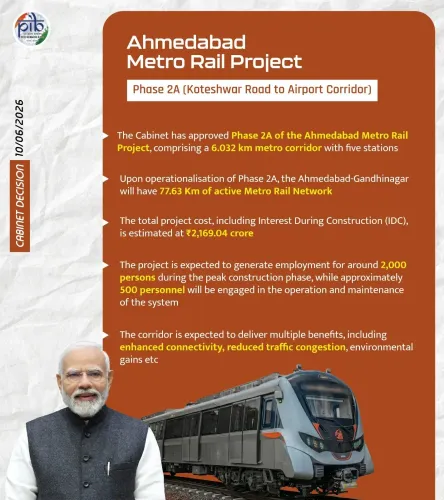
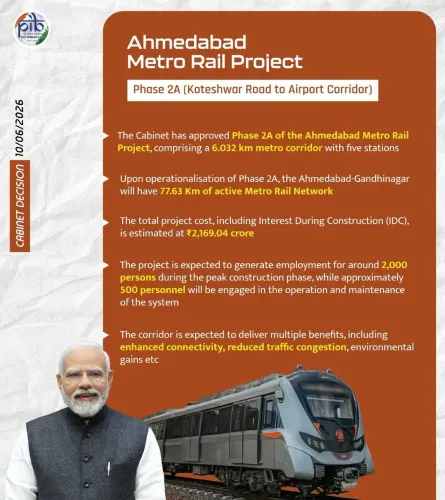
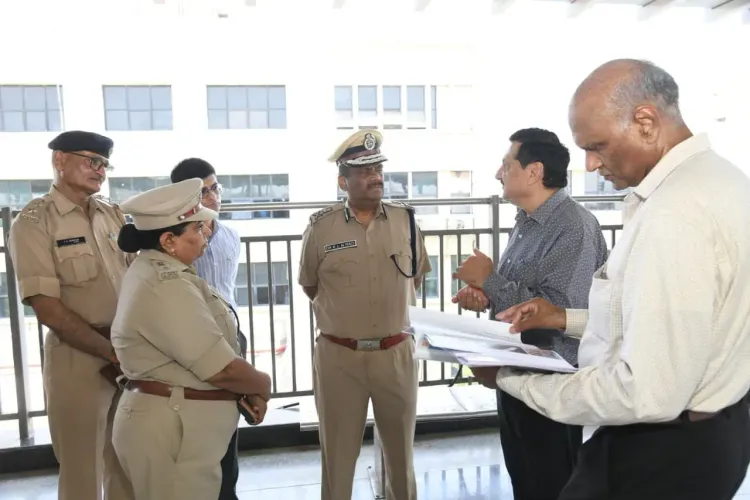
Gujarat Director General of Police K. L. N. Rao on Wednesday, 20 May rode the Ahmedabad Metro from Ranip Metro Station to Gandhinagar to conduct a hands-on review of security infrastructure and reinforce Prime Minister Narendra Modi's appeal for fuel conservation and wider adoption of public transport. The inspection marks one of the most senior police-led endorsements of urban mass transit in Gujarat this year.
What the Inspection Covered
During the ride, Dr Rao examined entry and exit points, CCTV surveillance systems, metal detector installations, and the deployment of security personnel across Metro stations along the corridor. He also spoke directly with commuters, collecting on-ground feedback on operational efficiency and safety standards.
What the DGP Said
Addressing the media after the journey, Dr Rao stated: 'The objective of the journey was to support public awareness on fuel conservation in line with the Prime Minister's appeal and to assess on-ground security arrangements across the Metro system.' He called on office-goers, students, traders, and everyday commuters to shift from private vehicles to Metro and other public transport options. He also stressed that women's safety during late-night travel must be prioritised, urging passengers to report any inconvenience or security concern to the police for immediate action.
Ridership Has Doubled Since Launch
Dr Rao highlighted a significant ridership milestone: when the Ahmedabad Metro was first launched, annual passenger numbers stood at approximately 2.5 crore. That figure has since climbed to nearly 5 crore in the current year — a near doubling that reflects a measurable shift toward urban mass transit in the Ahmedabad-Gandhinagar region.
The Broader National Context
The inspection is directly linked to Prime Minister Modi's ongoing appeal for fuel conservation, which encourages citizens to reduce unnecessary fuel consumption and embrace public transport, electric mobility, and energy-efficient practices. This comes amid a wider pattern across Indian states, where public representatives and senior officials have undertaken Metro rides to amplify the message. Metro systems in several major Indian cities are currently recording rising ridership alongside renewed policy emphasis on sustainability and urban mobility planning.
What This Signals for Gujarat's Metro Network
The DGP's participation adds a security and law-enforcement dimension to what has largely been a transport-policy conversation. By personally reviewing station infrastructure, Dr Rao signals that the Gujarat Police intends to play an active role in making the Metro corridor safer — a factor that analysts note is often decisive in persuading first-time and late-night commuters to switch from private vehicles. With ridership already on an upward curve, sustained security investment could accelerate that trend further.
Point of View
Yet the jump in numbers alone does not tell us whether the Metro is pulling commuters away from cars or simply adding new trips. The more consequential question — whether security improvements and senior-level visibility will shift the modal split for private vehicle users — remains unanswered. If Gujarat Police follows this inspection with measurable infrastructure upgrades and a published safety audit, the exercise has real value; if it remains a one-day photo opportunity, it joins a familiar genre of symbolic gestures dressed as policy.
NationPress
7 Oct 2026
Frequently Asked Questions
Why did Gujarat DGP K. L. N. Rao ride the Ahmedabad Metro?
DGP K. L. N. Rao undertook the Metro journey on 20 May to conduct a live inspection of security arrangements at stations and to publicly endorse PM Modi's appeal for fuel conservation and greater use of public transport. He examined CCTV systems, metal detectors, and security personnel deployment during the ride.
How has Ahmedabad Metro ridership changed since its launch?
Annual ridership on the Ahmedabad Metro has risen from approximately 2.5 crore passengers at the time of its launch to nearly 5 crore in the current year, according to figures cited by DGP Rao. This near-doubling reflects a growing shift toward urban mass transit in the Ahmedabad-Gandhinagar corridor.
What is PM Modi's fuel conservation appeal about?
PM Modi's appeal calls on citizens to reduce unnecessary fuel consumption by adopting public transport, electric mobility, and other energy-efficient practices. It is part of a broader national push that has seen public representatives and officials across states participate in Metro rides and other awareness activities to reinforce the message.
What did the DGP say about women's safety on the Metro?
DGP Rao stressed that women's safety — particularly during late-night travel — must be treated as a priority. He urged passengers to promptly report any inconvenience or security concern to the police for immediate action.
Which route did DGP Rao travel for the inspection?
Dr Rao travelled from Ranip Metro Station in Ahmedabad to Gandhinagar, covering a key stretch of the Ahmedabad Metro network that connects the two cities.