How Much Assistance Has Gujarat Disbursed to Farmers Affected by Unseasonal Rains?
Synopsis
In a significant move, the Gujarat government has allocated over Rs 8,516 crore to assist farmers affected by unseasonal rains. This initiative supports 29.30 lakh farmers, showcasing the government's commitment to agricultural welfare amidst challenges.
Key Takeaways
Over Rs 8,516 crore disbursed to farmers.
29.30 lakh farmers benefitted from the assistance.
Two relief packages introduced for heavy rainfall districts.
MSP procurement includes multiple important crops.
Commitment to support farmers' livelihoods.
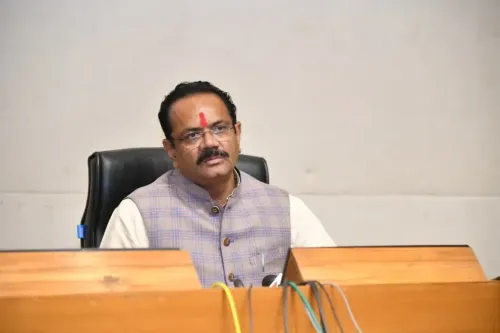
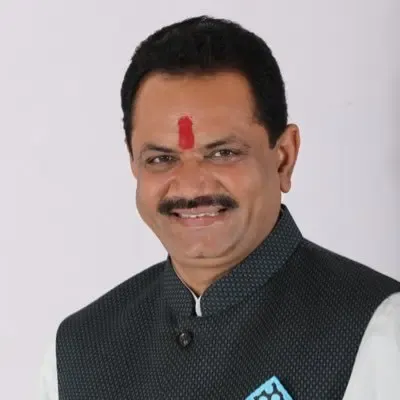
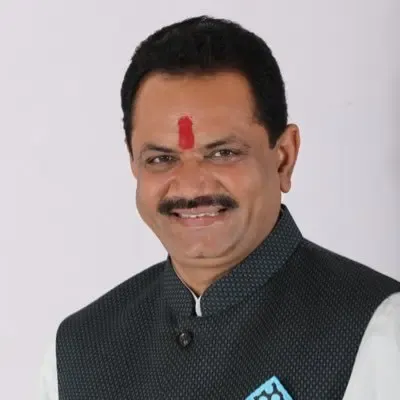
Gandhinagar, Dec 31 (NationPress) The government of Gujarat has distributed over Rs 8,516 crore in financial aid to 29.30 lakh farmers impacted by unseasonal rains, according to Agriculture and Farmers Welfare Minister Jitu Vaghani on Wednesday.
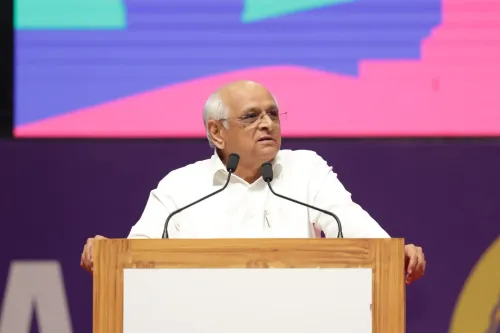
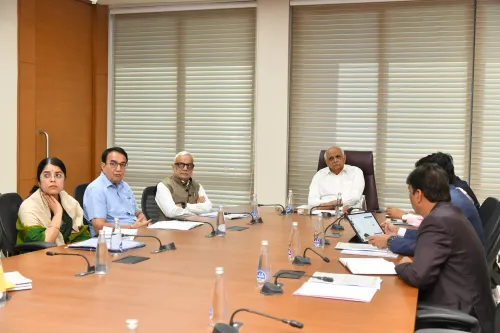
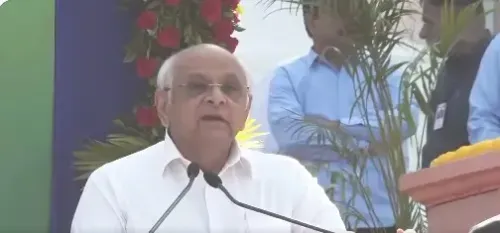
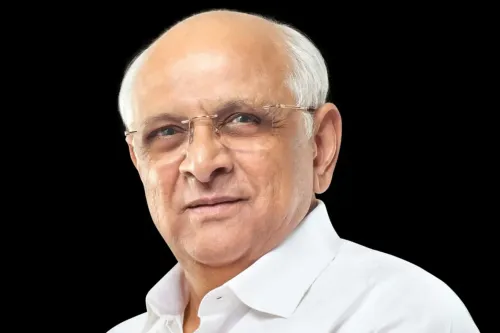
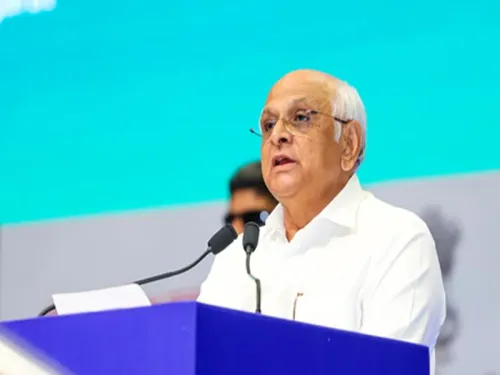
Speaking to the press after a cabinet meeting led by Chief Minister Bhupendra Patel, Vaghani noted that the Chief Minister assessed the advances made on the agricultural relief initiatives and the procurement at Minimum Support Price (MSP).
He highlighted that the state government had introduced two exceptional agricultural relief packages in quick succession for districts suffering from severe rainfall.
These relief initiatives have generated online bills totaling Rs 8,710 crore for over 30 lakh farmers thus far.
Out of this, assistance exceeding Rs 8,516 crore has already been directly deposited into the bank accounts of 29.30 lakh farmers, he added.
Providing insights into the MSP procurement of groundnut, green gram (moong), black gram (udad), and soybean, the minister mentioned that crops valued at more than Rs 10,698 crore, amounting to over 14.91 lakh metric tonnes, have been acquired from 6.79 lakh farmers across the state.
In relation to this procurement, payments exceeding Rs 6,573 crore have been made to over 4.16 lakh farmers to date. Vaghani further stated that groundnut procurement alone corresponds to over 14.18 lakh metric tonnes valued at more than Rs 10,300 crore, sourced from more than 6.26 lakh farmers.
Of this, payments surpassing Rs 6,362 crore have already been credited directly to the bank accounts of 3.89 lakh farmers.
The minister reaffirmed the state government's commitment to providing timely aid and fair pricing for farmers, adding that efforts are being made to speed up payments and ensure smooth procurement operations.
Farmers are integral to Gujarat's rural economy, with agriculture being a major source of livelihood for a significant portion of the state’s population, despite rapid industrial advancement.
Gujarat’s farmers grow a wide variety of crops across diverse agro-climatic zones, including cotton, groundnut, cumin, castor, bajra, wheat, and pulses, along with a strong presence in horticulture and dairy sectors. The state has emerged as a national leader in milk production through the cooperative model led by Amul, providing stable income to numerous small and marginal farmers.
Extensive irrigation projects like the Sardar Sarovar Narmada scheme, along with micro-irrigation, drip systems, and water conservation efforts, have significantly boosted productivity in arid and semi-arid areas.
While farmers have gained from market reforms, MSP procurement, and technology adoption, they still encounter challenges such as climate fluctuations, increasing input costs, and price volatility, making agriculture a crucial focus for ongoing policy in Gujarat.
Point of View
The ongoing support for farmers in Gujarat reflects a broader commitment to agricultural sustainability and rural development, essential for the overall economy. Effective policies and timely interventions are crucial for empowering farmers, ensuring food security, and enhancing the rural livelihood.
NationPress
6 Oct 2026
Frequently Asked Questions
What is the total amount disbursed to farmers in Gujarat?
The Gujarat government has disbursed over Rs 8,516 crore to farmers affected by unseasonal rains.
How many farmers received assistance?
Assistance has reached 29.30 lakh farmers in Gujarat.
What relief packages were introduced?
The state government announced two historic agricultural relief packages for districts affected by heavy rainfall.
What crops are included in the MSP procurement?
The MSP procurement includes groundnut, green gram, black gram, and soybean.
How does this aid impact Gujarat's economy?
This aid is crucial for supporting the rural economy and ensuring the livelihood of farmers, who are the backbone of Gujarat’s agricultural sector.