Gujarat approves Atalwadi scheme: 500-seat village halls and disaster shelters
Synopsis
Gujarat's new Atalwadi Scheme is a rare dual-use infrastructure bet — community halls that function as event venues in peacetime and cyclone shelters in crisis. With ₹60 crore committed for 2025-26 and villages of 2,000-plus population first in line, it addresses a longstanding gap in gram panchayat-level disaster preparedness that Gujarat's cyclone history has repeatedly exposed.
Key Takeaways
Gujarat Cabinet approved the Atalwadi Scheme on 20 May 2025 under Chief Minister Bhupendra Patel .
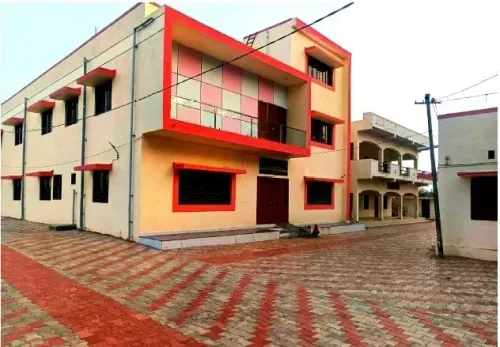
Each Atalwadi will hold up to 500 people and include a hall, kitchen, separate toilets, and drinking water facilities.
Villages with a population above 2,000 will be covered in the first phase.
Structures will serve as emergency shelters during cyclones, heavy rainfall, and other natural disasters.
The state has allocated ₹60 crore for the scheme in the current financial year.
Land will be sourced from gram panchayat -owned open spaces or plots near temples and tourist sites.
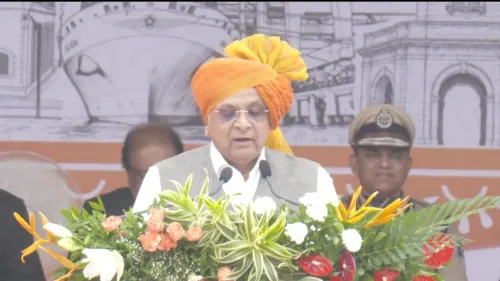
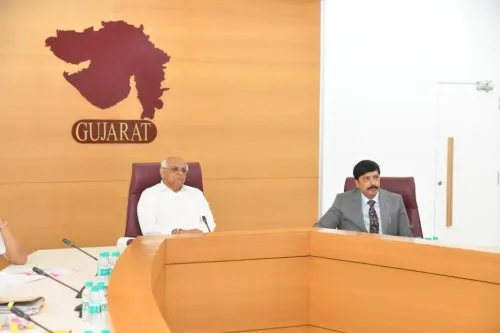
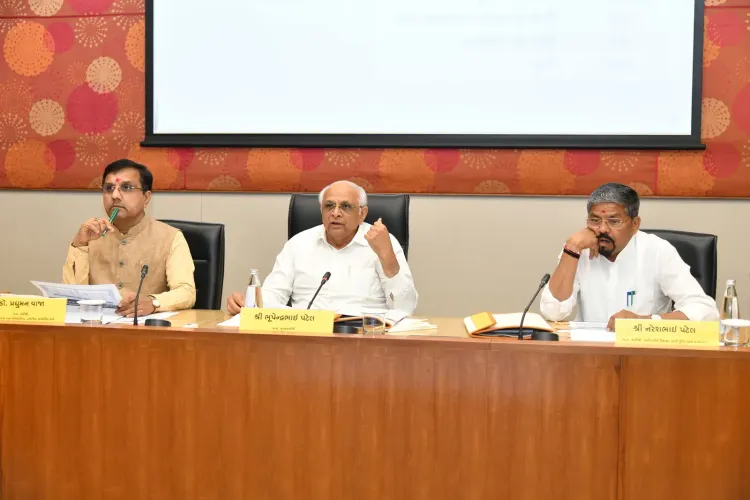
The Gujarat government has approved the Atalwadi Scheme, a rural infrastructure initiative under which community halls capable of accommodating 500 people will be constructed in villages across the state. The decision, cleared by Chief Minister Bhupendra Patel at a state Cabinet meeting on Wednesday, 20 May, aims to provide rural residents with modern shared facilities for social, religious, and public events — while doubling as emergency shelters during natural disasters.
What the Atalwadi Scheme Covers
Each Atalwadi will feature a large open hall with an arch shed, a kitchen, separate toilets for women and men, and basic clean drinking water arrangements. Government spokesperson and Minister Jitu Vaghani said the facilities would be available to all residents without discrimination, which the state government believes will also foster social harmony and mutual cooperation within villages.
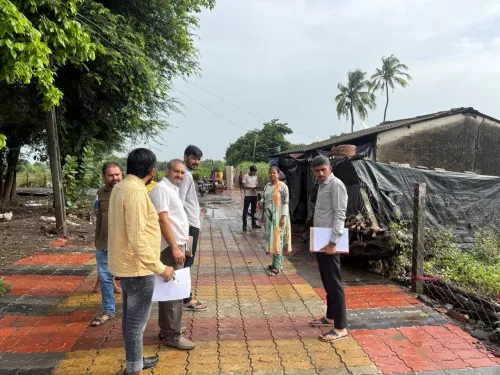
Land for construction will be sourced from open spaces owned by gram panchayats, panchayat-designated plots, or public spaces near a village's main temple or tourist site.
Who Gets It First
In the initial phase, villages with a population of more than 2,000 will be prioritised. Minister Vaghani said the scheme would give ordinary and middle-class rural families access to modern event venues at reasonable rental rates for marriage ceremonies, religious functions, and social gatherings. 'Since facilities will be available within their own villages under the Atalwadi Scheme, citizens will also be able to save significantly on expenses,' he added.
Dual Role: Events and Disaster Shelter
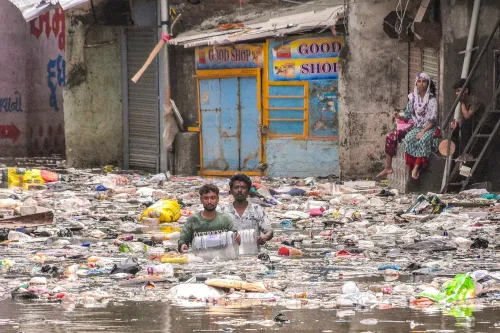
Beyond everyday community use, the structures are designed to serve as safe shelters during emergencies triggered by cyclones, heavy rainfall, and other natural disasters. Gujarat's coastal geography makes it one of India's most cyclone-prone states, and the absence of robust village-level shelter infrastructure has historically compounded disaster casualties. 'In times of disaster, this physical infrastructure can be used as a safe shelter home for villagers,' Minister Vaghani said.
This is notably the first dedicated scheme in Gujarat to institutionalise the dual-use model — combining everyday community infrastructure with disaster resilience — at the gram panchayat level.
Budget and Implementation
The state government has made a budgetary provision of ₹60 crore for the Atalwadi Scheme in the current financial year. Further implementation details, including a construction timeline and the number of villages to be covered in the first phase, are yet to be announced. With 18,000-plus villages in Gujarat, the scheme's eventual scale will depend on subsequent budgetary allocations beyond the initial outlay.
Point of View
000 villages; a ₹60 crore first-year outlay covers only a fraction, meaning the scheme's impact depends entirely on sustained multi-year budgeting that has not yet been committed. The dual-use disaster-shelter angle is the scheme's most substantive element — Gujarat's cyclone belt has long lacked standardised village-level shelter infrastructure — but without mandated construction standards tied to cyclone-resistance norms, the 'shelter' promise could be cosmetic. The social harmony framing, while welcome, is also the kind of language that sounds better in press releases than in implementation orders.
NationPress
19 Sept 2026
Frequently Asked Questions
What is the Atalwadi Scheme approved by the Gujarat government?
The Atalwadi Scheme is a rural infrastructure initiative approved by the Gujarat Cabinet on 20 May 2025, under which community halls with a capacity of 500 people will be built in villages across the state. The halls will host social, religious, and public events and also function as emergency shelters during natural disasters.
Which villages will benefit from the Atalwadi Scheme first?
In the initial phase, villages with a population of more than 2,000 will receive the benefit of the scheme. Further phases covering smaller villages have not yet been detailed by the state government.
How much has Gujarat budgeted for the Atalwadi Scheme?
The Gujarat government has made a budgetary provision of ₹60 crore for the Atalwadi Scheme in the current financial year 2025-26. Allocations for subsequent years have not been announced.
What facilities will each Atalwadi include?
Each Atalwadi will have a large open hall with an arch shed, a kitchen, separate toilets for women and men, and basic clean drinking water arrangements. The structures will be built on gram panchayat-owned land or public spaces near temples or tourist sites.
How will the Atalwadis help during natural disasters?
The community halls are designed to serve as safe emergency shelters for villagers during cyclones, heavy rainfall, and other natural disasters. Gujarat is one of India's most cyclone-prone states, and the scheme aims to fill a longstanding gap in village-level disaster shelter infrastructure.