India Q1 GDP grows 7.8% in 2026-27, beats RBI forecast; Modi calls for Swadeshi push
Synopsis
India's Q1 2026-27 GDP print of 7.8% didn't just beat forecasts — it came with a political message. PM Modi's Swadeshi appeal, timed to the data release, signals a deliberate pivot: turning an economic win into a consumer-behaviour campaign, urging Indians to cut foreign travel, overseas weddings, and gold imports. Gujarat's leaders were quick to tie the number to their own investment narrative ahead of the Vibrant Gujarat Summit.
Key Takeaways
India's Q1 2026-27 GDP grew 7.8 per cent year-on-year, beating the RBI's forecast of 7 per cent and market expectations of 7.1 per cent .
Real GVA rose 8.2 per cent ; nominal GDP increased 10.3 per cent in the same quarter.
Manufacturing expanded 9.2 per cent , with financial and real estate services also recording strong growth.
PM Modi used the GDP release to call for a stronger Swadeshi movement, urging citizens to avoid unnecessary foreign travel, overseas weddings, and avoidable gold spending.
Gujarat CM Bhupendra Patel and Deputy CM Harsh Sanghavi both posted on X welcoming the figures, linking them to central government leadership.
The reactions followed the Vibrant Gujarat Global Summit 2027 curtain-raiser in New Delhi on the previous day.
India's economy expanded at 7.8 per cent year-on-year in the April–June quarter of 2026-27, surpassing the Reserve Bank of India's (RBI) earlier projection of 7 per cent and market expectations of roughly 7.1 per cent, according to official data released on 1 September 2026. The stronger-than-expected print drew immediate responses from Prime Minister Narendra Modi and Gujarat state leaders, who linked the performance to domestic resilience amid global headwinds.
Key Growth Numbers
Real Gross Value Added (GVA) rose 8.2 per cent during the quarter, while nominal GDP climbed 10.3 per cent. Manufacturing led the sectoral charge with 9.2 per cent growth, and financial, real estate and professional services also posted particularly strong expansion. Private investment increased sharply over the period, with domestic consumption continuing to provide a steady base for overall demand.
What Gujarat Leaders Said
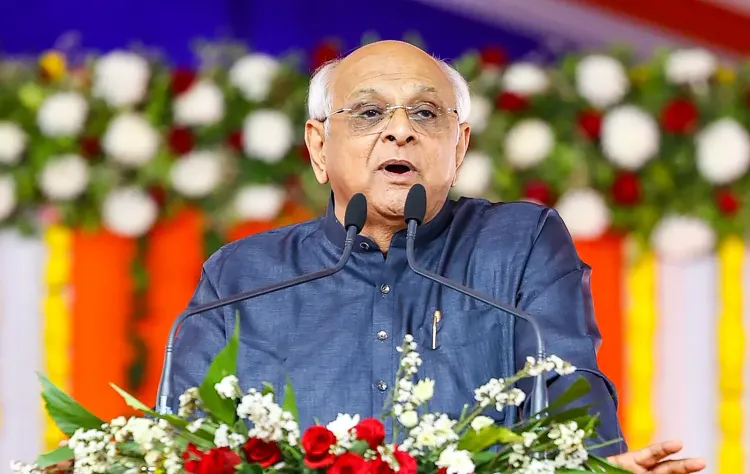
Gujarat Chief Minister Bhupendra Patel, in a post on social media platform X, described the growth rate as evidence of the 'unwavering resolve, hard work and collective strength' of 1.4 billion Indians. He attributed the country's continued progress to Prime Minister Modi's leadership and policies, and called for greater emphasis on Swadeshi, 'Vocal for Local' and an 'Aatmanirbhar Bharat' as part of the effort to build a developed India.
'Amid global uncertainties and supply chain challenges, New India has once again shown the world what it is capable of,' Patel wrote.
Deputy Chief Minister Harsh Sanghavi also welcomed the figures, posting: 'The vibe? India is in growth mode.' Sanghavi said the 7.8 per cent growth had come despite global uncertainties, oil-price pressures and supply-chain challenges, and credited the central government's leadership for the economic momentum.
PM Modi's Swadeshi Appeal
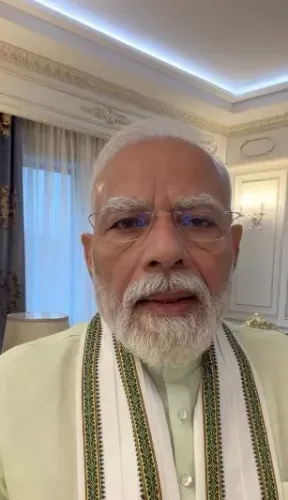
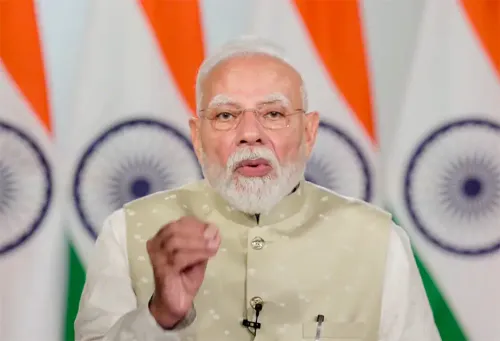
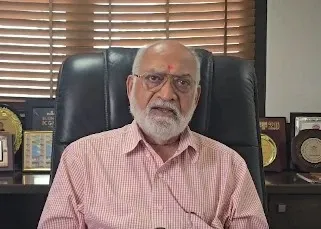
Prime Minister Narendra Modi, in a video message released on Tuesday, welcomed the 7.8 per cent growth and described it as a major achievement, noting that the performance was recorded despite wars, global instability and supply-chain disruptions. He credited the country's people for the result.
Modi used the occasion to make a fresh appeal for greater reliance on domestic products and services, urging citizens to strengthen the Swadeshi movement and self-reliance. Specifically, he called for avoiding unnecessary foreign travel and weddings abroad, and reducing avoidable expenditure on gold.
Gujarat's Broader Economic Context
The responses from CM Patel and Deputy CM Sanghavi came a day after the state government used the Vibrant Gujarat Global Summit 2027 curtain-raiser in New Delhi to highlight investment, industrial expansion and Gujarat's role in the national growth story. At that event, Patel had said that policy stability, transparent decision-making and swift governance were critical to attracting investment.
This comes amid a broader national push to position India's domestic production capacity as a buffer against global supply-chain volatility — a theme that has gained urgency following successive quarters of external demand uncertainty. With Q1 numbers now firmly above consensus, attention turns to whether the momentum can be sustained through the remainder of 2026-27.
Point of View
But the political choreography around it is worth noting. Modi's Swadeshi appeal — timed precisely to the data release — conflates macroeconomic performance with consumer-behaviour messaging, a move that serves both as celebration and as a policy nudge toward import substitution. The call to avoid foreign weddings and gold purchases is targeted at middle- and upper-middle-class spending, not the structural drivers of the current account deficit. Meanwhile, Gujarat's leaders were careful to embed the national number within their own investment pitch, ahead of the Vibrant Gujarat Summit — suggesting the GDP data is being read as much as political capital as economic signal. The harder question, which neither New Delhi nor Gandhinagar addressed, is whether 7.8 per cent growth is translating into commensurate job creation and wage growth for ordinary households.
NationPress
1 Sept 2026
Frequently Asked Questions
What was India's GDP growth rate in Q1 2026-27?
India's economy grew 7.8 per cent year-on-year in the April–June quarter of 2026-27, according to official data released on 1 September 2026. This exceeded the RBI's earlier estimate of 7 per cent and market expectations of around 7.1 per cent.
What did PM Modi say about the GDP growth figures?
PM Modi, in a video message released on Tuesday, welcomed the 7.8 per cent growth as a major achievement, noting it was recorded despite wars, global instability and supply-chain disruptions. He also used the occasion to appeal for a stronger Swadeshi movement, urging citizens to avoid unnecessary foreign travel, overseas weddings, and avoidable gold expenditure.
Which sectors drove India's Q1 2026-27 GDP growth?
Manufacturing was a key driver, growing 9.2 per cent during the quarter. Financial, real estate and professional services also recorded strong expansion. Private investment rose sharply, while domestic consumption remained a steady support for overall demand.
Why did Gujarat's leaders react to the national GDP data?
Gujarat CM Bhupendra Patel and Deputy CM Harsh Sanghavi both posted on X welcoming the figures, linking them to PM Modi's leadership and calling for greater Swadeshi emphasis. Their reactions came a day after the Vibrant Gujarat Global Summit 2027 curtain-raiser in New Delhi, where Patel had highlighted Gujarat's investment and industrial expansion agenda.
What is the Swadeshi push that PM Modi is calling for?
PM Modi's Swadeshi appeal urges citizens to prioritise domestic products and services over foreign alternatives. Specifically, he called for reducing unnecessary foreign travel, avoiding weddings held abroad, and cutting avoidable expenditure on gold — framing self-reliance as a complement to India's strong economic growth momentum.