Gujarat HPV vaccination: 7.75 lakh girls covered, state leads national tally
Synopsis
Gujarat became the first Indian state to hit 100% of its HPV vaccination target — back in May — and has since extended its lead, covering 7.75 lakh 14-year-old girls against cervical cancer. With India crossing one crore doses nationally and the campaign running until 31 December, Gujarat's field-level execution offers a playbook for the rest of the country.
Key Takeaways
Gujarat has vaccinated 7.75 lakh girls aged 14 years against HPV, the highest coverage of any Indian state.
The state achieved 100% of its vaccination target in May , becoming the first state in India to do so.
India has administered more than one crore HPV vaccine doses nationally so far.
Gujarat received an additional 2.72 lakh doses from the Centre on 7 September due to its strong performance.
More than 71,000 girls were vaccinated in Gujarat on 17 September alone during the 'Seva Parv' drive.
The national HPV vaccination campaign has been extended to 31 December .
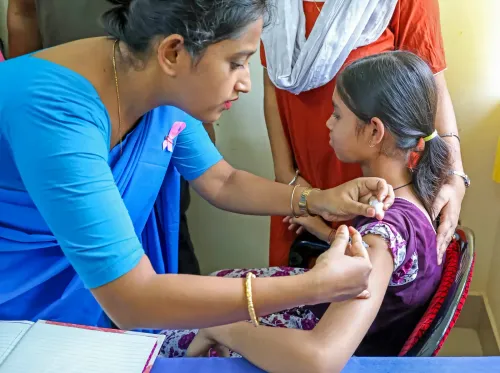
Gujarat has vaccinated approximately 7.75 lakh girls aged 14 years against human papillomavirus (HPV), recording the highest coverage of any state in the country, Gujarat Health Minister Praful Pansheriya announced on Saturday, 21 November 2026. The achievement places Gujarat at the forefront of India's national drive to protect adolescent girls from cervical cancer.
Key Milestones in the Campaign
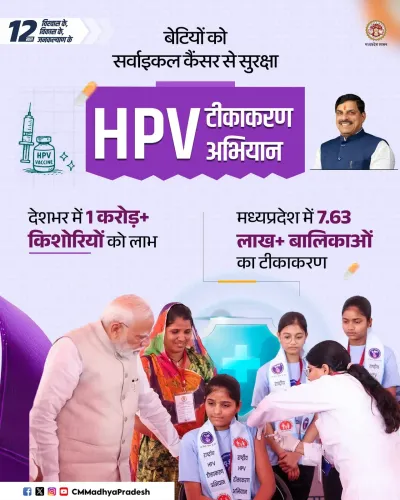
Pansheriya noted that Gujarat had hit 100% of its vaccination target as early as May, making it the first state in India to do so. The national campaign has since been extended to 31 December. Across the country, more than one crore doses of the HPV vaccine have been administered so far, with Gujarat consistently maintaining the highest state-level coverage, according to the minister.
Following its strong performance, the state received an additional 2.72 lakh doses from the Centre on 7 September, enabling a second phase of vaccination. The drive was relaunched between 17 and 26 September as part of 'Seva Parv', a campaign organised to coincide with Prime Minister Narendra Modi's birthday.
Vaccination Numbers at a Glance
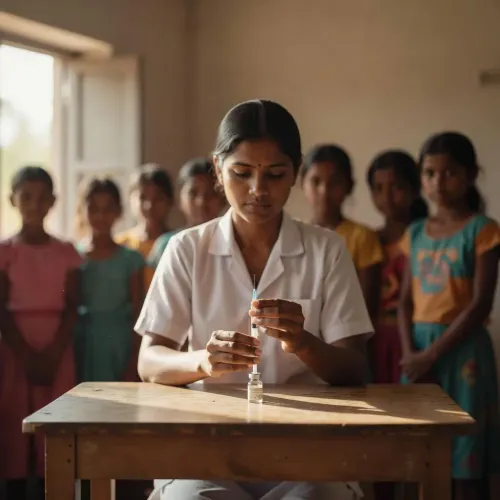
On 17 September alone, more than 71,000 girls in Gujarat received the HPV vaccine — a single-day figure that underscores the scale of field-level mobilisation. Over the full 10-day 'Seva Parv' window, more than 1.47 lakh adolescent girls were vaccinated, contributing to the cumulative total of 7.75 lakh in the 14-year age group.
Recognition and Political Response
Union Health Minister J P Nadda and the Union Health Ministry's official handle on X congratulated Gujarat on the achievement. Pansheriya, in turn, credited doctors, nursing staff, ASHA workers, and healthcare personnel at the field, district, and state levels for executing the campaign. He also acknowledged the guidance of Prime Minister Narendra Modi and the leadership of Chief Minister Bhupendra Patel in driving the state's vaccination efforts forward.
Why This Matters for Cervical Cancer Prevention
Cervical cancer is caused largely by persistent HPV infection and remains one of the most common cancers among women in India. Vaccinating girls before they become sexually active is considered among the most effective public-health interventions against the disease. Gujarat's early attainment of its coverage target, and its sustained lead at the national level, signals a replicable model that other states may look to emulate as the campaign runs until year-end.
Organ Donation Drive in Surat
Separately, in Surat, more than 10,000 people took an organ donation pledge during a 'Tulsi Vivah Mahotsav' held at Narmadeshwar Mahadev Temple in Sarthana Jakatnaka. Pansheriya administered the pledge to guests, devotees, and members of the wedding procession attending the ceremony marking the marriage of Lord Shaligram and Goddess Tulsi. Participants pledged to donate their organs to help save lives in need — an initiative that the minister framed as complementary to the state's broader public-health agenda.
With the national HPV campaign running until 31 December, all eyes will be on whether other states can close the gap with Gujarat's coverage benchmark.
Point of View
Months before the December deadline, is not a routine administrative tick-box. But the story mainstream coverage tends to miss is the structural element: ASHA workers and district-level health machinery, not just political will, made this possible. The question is whether the model is transferable. States with weaker last-mile health infrastructure cannot simply replicate Gujarat's numbers by borrowing its timeline. The Centre's decision to reward performance with an additional 2.72 lakh doses is sound incentive design — but it also means lagging states fall further behind. India's cervical cancer burden is unevenly distributed, often heaviest in states with the weakest vaccination pipelines.
NationPress
21 Nov 2026
Frequently Asked Questions
How many girls have been vaccinated against HPV in Gujarat?
Approximately 7.75 lakh girls aged 14 years have been vaccinated against HPV in Gujarat, the highest coverage recorded by any state in India. This figure includes more than 1.47 lakh girls vaccinated during the 10-day 'Seva Parv' drive in September.
When did Gujarat achieve 100% of its HPV vaccination target?
Gujarat hit 100% of its HPV vaccination target in May 2026 , making it the first state in the country to do so. The national campaign has since been extended to 31 December 2026 .
What is the HPV vaccine and why is it given to girls aged 14?
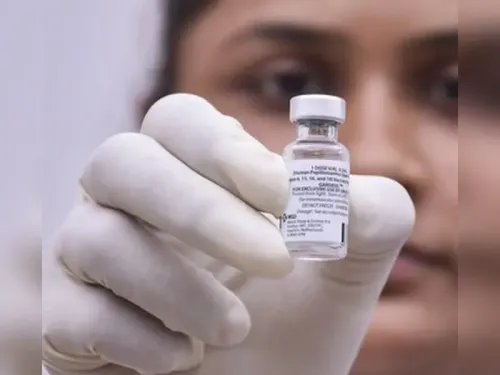
The HPV (human papillomavirus) vaccine protects against strains of the virus responsible for the majority of cervical cancer cases. Girls aged around 14 are targeted because vaccination before sexual debut offers the highest level of protection, making it one of the most effective public-health tools against cervical cancer.
How many HPV vaccine doses has India administered nationally?
India has administered more than one crore doses of the HPV vaccine so far under the national campaign, with Gujarat recording the highest state-level coverage. The campaign runs until 31 December 2026 .
What was the 'Seva Parv' HPV vaccination drive?
'Seva Parv' was a 10-day vaccination drive held between 17 and 26 September 2026 , organised to mark Prime Minister Narendra Modi's birthday. During this period, more than 1.47 lakh adolescent girls in Gujarat were vaccinated against HPV, including over 71,000 on the opening day alone.