Gujarat mandates Exit Conferences after Panchayat audits to fast-track action
Synopsis
Gujarat has made post-audit Exit Conferences mandatory for every gram, taluka, and district panchayat — a structural fix to a chronic problem where audit findings sat unacted upon for years. DDOs can now initiate disciplinary or legal action on the spot, turning audit reports into real-time accountability tools for rural fund oversight.
Key Takeaways
The Gujarat government has mandated 'Exit Conferences' after every annual audit of Gram Panchayats , Taluka Panchayats , and District Panchayats .
The Panchayat, Rural Housing and Rural Development Department issued the binding circular on 28 July .
District Development Officers (DDOs) will chair each conference immediately after audit completion and can initiate disciplinary, preventive, or legal action on the spot.
Cases of alleged embezzlement, procurement violations, illegal recruitment, and financial lapses will be prioritised for discussion.
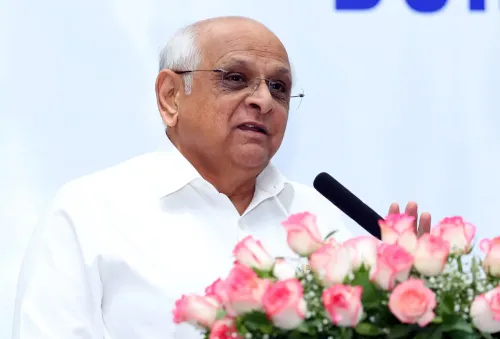
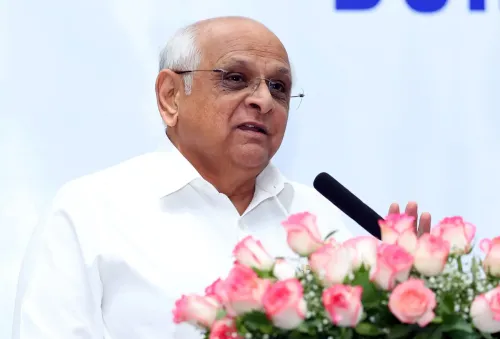
The reform is attributed to Chief Minister Bhupendra Patel , Panchayat Minister Rushikesh Patel , and Minister of State Sanjaysinh Mahida .
The measure aims to protect funds earmarked for rural roads, drinking water, sanitation, and social infrastructure.
The Gujarat government has made post-audit 'Exit Conferences' mandatory for all Panchayati Raj institutions across the state, introducing a structured mechanism to ensure that serious financial and administrative irregularities identified during annual audits are acted upon promptly rather than languishing in procedural backlogs. The reform, notified via a circular issued on 28 July by the Panchayat, Rural Housing and Rural Development Department, applies to every Gram Panchayat, Taluka Panchayat, and District Panchayat in Gujarat.
How the Exit Conference Works
Under the new framework, a designated District Development Officer (DDO) will chair an Exit Conference immediately upon completion of each annual audit. Senior officers from the Local Fund Audit Department will present only the most serious irregularities — including alleged embezzlement, procurement violations, illegal recruitment, and significant financial lapses — for discussion during the meeting.
Critically, DDOs will be empowered to initiate disciplinary, preventive, or legal action on a priority basis at the conference itself, without waiting for the drawn-out procedural steps that characterised the earlier system. The intent is to convert audit findings into administrative decisions in real time rather than allowing them to remain confined to written reports.
What the Government Said
'The initiative has been introduced under the leadership of Chief Minister Bhupendra Patel, with guidance from Panchayat Minister Rushikesh Patel and Minister of State Sanjaysinh Mahida,' officials said. The government described the measure as a step toward making Panchayati Raj institutions 'more accountable, transparent and result-oriented.'
Why This Matters for Rural Gujarat
The reform addresses a longstanding structural gap in local-body governance: audit reports in Panchayati Raj institutions have historically identified irregularities that then stalled at the disciplinary stage, allowing alleged misconduct to go unaddressed for extended periods. This is not a Gujarat-specific problem — delayed action on panchayat audit findings has been flagged repeatedly by the Comptroller and Auditor General of India across multiple states.
The government said the reform is expected to benefit rural communities directly by helping ensure that funds allocated for village development — covering roads, drinking water, sanitation, and social infrastructure — are used for their intended purposes. Faster action against irregularities is also expected to improve compliance and reduce the scope for misuse of public resources.
Broader Accountability Push
Officials framed the Exit Conference mandate as part of a wider effort to strengthen transparency in public administration at the grassroots level. By requiring the DDO to convene the conference immediately after every audit — rather than scheduling it as an optional follow-up — the government is institutionalising accountability as a procedural requirement rather than a discretionary step. The circular issued on 28 July makes the process binding across all tiers of Panchayati Raj in Gujarat.
With the mechanism now in place, attention will turn to implementation: whether DDOs have the administrative bandwidth to act on findings without delay, and whether the Local Fund Audit Department can sustain the pace of timely, comprehensive audits that the new system demands.
Point of View
Same-day conference shifts accountability from the audit cycle to the action cycle, which is the right instinct. The real test, however, is capacity: Gujarat's DDOs are already stretched across development mandates, and the quality of Exit Conferences will depend heavily on whether the Local Fund Audit Department can produce audit findings rigorous enough to withstand legal scrutiny when disciplinary action follows. A reform that accelerates bad process produces faster injustice, not better governance.
NationPress
20 Sept 2026
Frequently Asked Questions
What is the Exit Conference system introduced by the Gujarat government?
An Exit Conference is a mandatory post-audit meeting chaired by the District Development Officer immediately after the annual audit of a Panchayati Raj institution is completed. Senior audit officers present serious irregularities, and the DDO can initiate disciplinary, preventive, or legal action on the spot without waiting for lengthy procedural follow-up.
Which panchayat bodies does the new Gujarat audit rule apply to?
The mandatory Exit Conference applies to all three tiers of Panchayati Raj in Gujarat — Gram Panchayats, Taluka Panchayats, and District Panchayats. The circular issued on 28 July makes the process binding across the entire state.
What types of irregularities will be examined at Exit Conferences?
The conferences will focus on serious cases including alleged embezzlement, procurement carried out in violation of rules, illegal recruitment, financial irregularities, and other significant administrative lapses identified during the annual audit.
Who is responsible for implementing the Exit Conference reform in Gujarat?
The reform is being implemented under Chief Minister Bhupendra Patel, with guidance from Panchayat Minister Rushikesh Patel and Minister of State Sanjaysinh Mahida. District Development Officers are responsible for chairing each conference at the district level.
How will the reform benefit rural communities in Gujarat?
By ensuring faster action on audit irregularities, the reform aims to protect funds allocated for village development — including roads, drinking water, sanitation, and social infrastructure — from misuse. Quicker disciplinary action is also expected to improve compliance among panchayat officers and employees.