Gujarat CM Bhupendra Patel to panchayat reps: Listen, follow rules, deliver quality
Synopsis
Gujarat CM Bhupendra Patel used a one-day panchayat orientation workshop to deliver a pointed message: public trust is earned through listening, rule-following, and quality work — not just fund utilisation. With 188 newly elected office-bearers in the room, including 70 women, the session reflects a deliberate effort to shape grassroots governance before bad habits take root.
Key Takeaways
Gujarat CM Bhupendra Patel addressed 188 panchayat office-bearers , including 70 women representatives , at a one-day workshop in Gandhinagar on 1 September .
Patel urged representatives to engage directly with citizens' problems rather than redirecting them to officials, citing his own experience in public life since 1995 .
He stressed that quality must not be compromised in development works such as roads, schools and panchayat buildings . 'Pro-poor policies' of the Centre and state have helped more than 25 crore people move out of poverty, according to Patel.
Rural Development Minister Kunvarji Bavaliya noted that more than 45 lakh toilets were built in Gujarat under the Swachh Bharat Mission and over 14,000 biogas plants under the Gobardhan Scheme .
The workshop covers decentralised planning, the 16th Finance Commission , financial management and rural welfare schemes.
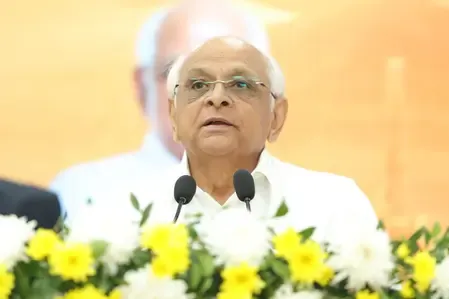
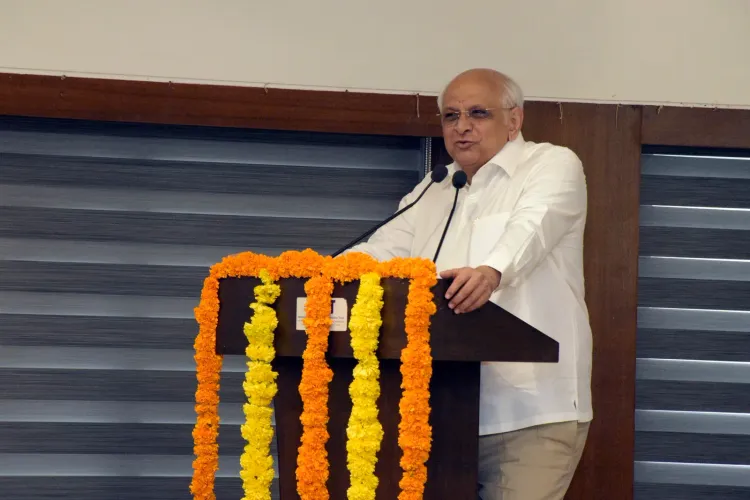
Gujarat Chief Minister Bhupendra Patel on Tuesday, 1 September urged newly appointed panchayat representatives to prioritise citizens' concerns, master the rules governing their roles, and ensure that development projects meet durability and quality standards. Speaking at a one-day orientation workshop in Gandhinagar, Patel said, 'Public trust depends on how effectively local representatives respond to people's needs.'
What the CM told panchayat office-bearers
Patel was addressing the 'Panchayat Sanskaran Karyashala' — a one-day workshop for newly elected office-bearers of Gujarat's three-tier Panchayati Raj system — held at the Gujarat Legislative Assembly Sachivalaya. The session was attended by 188 panchayat office-bearers, including 70 women representatives. Assembly Speaker Shankar Chaudhary was also present.
Drawing on his experience in public life since 1995, the Chief Minister told representatives to give citizens adequate time and engage directly with their problems rather than simply redirecting them to government officials. 'Representatives should understand the issue, acquaint themselves with the applicable rules and then discuss the matter with the concerned officer to find a solution,' he said.
Quality of development work under scrutiny
Patel stressed that quality must not be compromised in infrastructure projects such as roads, schools and panchayat buildings. Durable, well-executed projects, he said, reinforce public confidence in both the government and its elected representatives.
On funding, Patel said, 'There is no shortage of funds for development works from villages to the state level under Prime Minister Narendra Modi's leadership. With proper planning, an understanding of rules and a commitment to work, the government would provide the funds required for development.'
Welfare schemes and pro-poor policies
The Chief Minister asked panchayat representatives to ensure that welfare schemes reach those who genuinely need them. Citing programmes such as Nal Se Jal and the Pradhan Mantri Awas Yojana, he said essential public services must continue uninterrupted regardless of changes in elected leadership or political parties.
He also noted that 'pro-poor policies' of the Centre and state had helped more than 25 crore people move out of poverty, with governments committed to providing food, education, healthcare and housing. Assistance, he added, was also available for people requiring support to purchase land for a house.
Speaker and Rural Development Minister weigh in
Assembly Speaker Shankar Chaudhary emphasised that elected representatives must continue learning after assuming office and work within the framework of rules. He called for a culture of constructive dialogue at district and taluka panchayat levels, comparable to deliberations in Parliament and state legislatures.
Rural Development Minister Kunvarji Bavaliya highlighted that Gram Panchayats now receive funds directly into their bank accounts under various development schemes — a shift from earlier when panchayats had limited resources. He cited the Swachh Bharat Mission, under which more than 45 lakh individual toilets have been constructed in Gujarat, and the Gobardhan Scheme, which has established more than 14,000 biogas plants in the state.
On women's economic empowerment, Bavaliya highlighted Mission Mangalam and the Lakhpati Didi initiative, noting that women in self-help groups are being supported through zero-interest loans, Gram Haats, and skill-based programmes including Drone Didi.
Workshop agenda
Participants at the karyashala are being guided on decentralised district planning, the 16th Finance Commission and rural development schemes. Technical sessions cover Panchayati Raj legal provisions, financial management and government welfare schemes. The workshop signals a broader push by the Gujarat government to build governance capacity at the grassroots level before newly elected representatives begin their terms in full.
Point of View
But their impact depends entirely on follow-through. Patel's emphasis on quality over speed is well-placed — poor-quality rural infrastructure is a documented problem across states — yet the workshop format alone cannot fix procurement incentives or contractor accountability. The inclusion of 70 women among 188 participants reflects Gujarat's push on gender representation in local bodies, but the real test is whether women office-bearers receive equal administrative support once back in their districts. The reference to 25 crore people exiting poverty is a figure from national surveys and carries methodological debate; presenting it as settled fact at a governance workshop risks conflating aspiration with outcome.
NationPress
17 Oct 2026
Frequently Asked Questions
What was the Panchayat Sanskaran Karyashala held in Gandhinagar?
It was a one-day orientation workshop organised for newly appointed office-bearers of Gujarat's three-tier Panchayati Raj system, held at the Gujarat Legislative Assembly Sachivalaya in Gandhinagar on 1 September. The session was attended by 188 panchayat office-bearers, including 70 women representatives.
What did Gujarat CM Bhupendra Patel tell panchayat representatives?
Patel urged representatives to listen carefully to citizens' concerns, understand the rules governing their work, and ensure development projects are durable and of good quality. He also asked them to ensure welfare schemes reach those who genuinely need them.
Which government schemes were highlighted at the workshop?
Schemes highlighted included Nal Se Jal, Pradhan Mantri Awas Yojana, Swachh Bharat Mission, Gobardhan Scheme, Mission Mangalam, Lakhpati Didi, and the VB-G-Ramji Yojana, covering water supply, housing, sanitation, rural employment and women's empowerment.
What did Rural Development Minister Kunvarji Bavaliya say?
Bavaliya noted that more than 45 lakh individual toilets had been constructed in Gujarat under the Swachh Bharat Mission and over 14,000 biogas plants established under the Gobardhan Scheme. He also highlighted direct fund transfers to panchayat bank accounts and women's empowerment initiatives including Drone Didi.
What topics are covered in the workshop's technical sessions?
Technical sessions at the karyashala cover Panchayati Raj legal provisions, decentralised district planning, financial management, the 16th Finance Commission and government welfare schemes, aimed at building governance capacity among newly elected local body representatives.