Gujarat Local Body Election Results 2025: Counting Begins Across 9,000+ Seats
Synopsis
Gujarat's massive local body elections — covering 9,000+ seats across 15 Municipal Corporations, 84 Municipalities, 34 District Panchayats and 260 Taluka Panchayats — are being counted today. Held for the first time after OBC delimitation, the results will reveal whether the BJP retains its grassroots grip or faces a serious challenge from Congress and AAP.
Key Takeaways
Counting for Gujarat local body elections 2025 began on Tuesday, April 29 at designated centres across the state.
More than 9,000 seats are at stake across 15 Municipal Corporations , 84 Municipalities , 34 District Panchayats , and 260 Taluka Panchayats .
Over 26,000 candidates contested the polls held on April 26, 2025 , out of 32,748 original nominations.
Voter turnout ranged from 49.02% in Municipal Corporations to 62.38% in Taluka Panchayats.
These are the first local body elections held after 27% OBC reservation and fresh delimitation of constituencies.
Major parties in contest include BJP , Congress , and AAP , with results expected to signal political momentum ahead of future state elections.
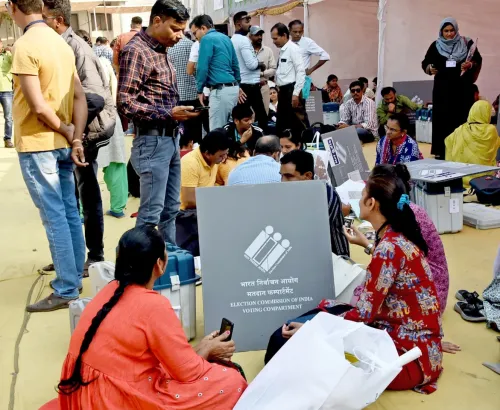
The counting of votes for Gujarat's local body elections 2025 commenced on Tuesday, April 29, at designated centres across the state, with results expected later in the day, according to officials from the State Election Commission of Gujarat. The high-stakes exercise covers more than 9,000 seats across multiple tiers of urban and rural governance, making it one of the largest grassroots electoral contests in the state's recent history.
Scale of the Electoral Exercise
The counting will determine winners across 15 Municipal Corporations, 84 Municipalities, 34 District Panchayats, and 260 Taluka Panchayats — all of which went to polls on April 26, 2025. A total of 32,748 nominations were originally filed, with over 26,000 candidates remaining in the fray after withdrawals. Several seats had already been declared elected unopposed ahead of polling day.
This comes amid heightened political interest as the elections serve as a critical barometer of party strength at the grassroots level, particularly ahead of future state-level contests.
Key Parties and Political Stakes
The elections were contested by all major political forces, including the Bharatiya Janata Party (BJP), the Indian National Congress, and the Aam Aadmi Party (AAP), along with independents and smaller regional outfits. Notably, the BJP is seeking to consolidate its dominance in urban and semi-urban local bodies, while Congress and AAP are looking to register a meaningful presence at the municipal level — a tier where voter sentiment often diverges from state and national trends.
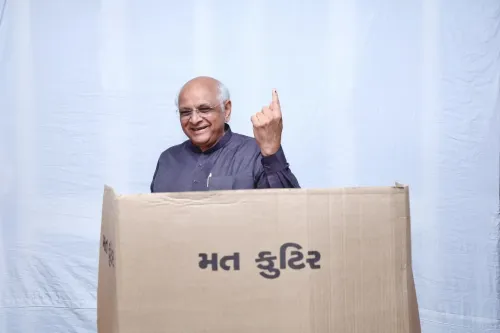
Campaigning concluded following a mandated silence period before polling, which was conducted using electronic voting machines (EVMs) across thousands of polling stations statewide.
Voter Turnout Across Tiers
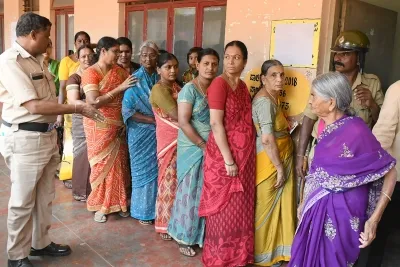
According to data released by the State Election Commission, voter participation varied significantly across different levels of local governance. Municipal Corporations recorded a turnout of 49.02 per cent, reflecting relatively lower engagement in urban centres — a pattern consistent with previous urban local body elections in Gujarat. Municipalities fared better at 59.50 per cent.
Rural bodies saw stronger participation, with District Panchayats recording 61.69 per cent and Taluka Panchayats clocking 62.38 per cent. By-elections to 13 seats across 11 municipalities saw a turnout of 55.38 per cent.
Counting Arrangements and Security
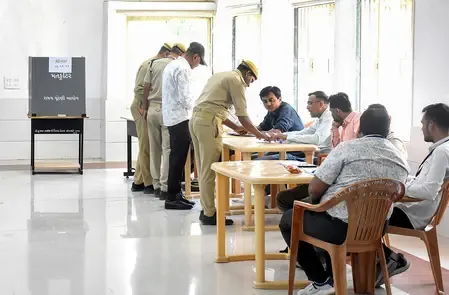
In Ahmedabad, counting is being held at prominent centres including LD Engineering College and Gujarat College. Traffic restrictions have been imposed in surrounding areas from midnight to facilitate smooth operations and ensure security. Similar administrative arrangements have been put in place across all districts statewide.
Officials confirmed that results will be declared only after the completion of all counting procedures at each designated centre.
OBC Reservation and Delimitation Context
These polls carry additional significance as they are the first to be conducted after delimitation and the implementation of a 27 per cent reservation for Other Backward Classes (OBC) in local bodies — a policy change that has reshaped electoral constituencies and candidate profiles across the state. Critics argue that the reservation framework could alter traditional vote-bank equations, making the results particularly instructive for all parties as they calibrate strategies ahead of the next state assembly elections.
All eyes remain on the final tallies, which are expected to offer a clear picture of where Gujarat's political winds are blowing at the ground level.
Point of View
But the more telling story is turnout: at just 49% in Municipal Corporations, urban Gujarat is sending a quiet but unmistakable signal of civic disengagement that no party can afford to ignore heading into future assembly cycles.
NationPress
21 Sept 2026
Frequently Asked Questions
What is being counted in the Gujarat local body elections 2025?
The counting covers results for over 9,000 seats across 15 Municipal Corporations, 84 Municipalities, 34 District Panchayats, and 260 Taluka Panchayats in Gujarat. Polling was held on April 26, 2025, and counting began on April 29.
Which parties are contesting the Gujarat local body elections?
The major parties contesting the Gujarat local body elections include the BJP, Congress, and AAP, along with independents and smaller regional parties. The results are seen as a key indicator of each party's grassroots strength in the state.
What was the voter turnout in Gujarat local body elections 2025?
Voter turnout varied by tier — 49.02% in Municipal Corporations, 59.50% in Municipalities, 61.69% in District Panchayats, and 62.38% in Taluka Panchayats, according to the State Election Commission.
Why are the 2025 Gujarat local body elections significant?
These elections are the first held after delimitation and implementation of 27% OBC reservation in local bodies, reshaping constituencies and candidate profiles. The results are being closely watched as a political indicator ahead of future state assembly elections.
Where is counting taking place in Ahmedabad for the Gujarat elections?
In Ahmedabad, counting is being conducted at LD Engineering College and Gujarat College, with traffic restrictions in surrounding areas imposed from midnight to ensure security and smooth operations.