Gujarat Green Gujarat: ₹50 crore nursery push to plant 1 crore tall seedlings
Synopsis
Gujarat isn't just planting trees — it's rethinking how. By growing saplings to six–twelve feet before transplanting, the state claims an 80–90% survival rate on a one-crore-plant target backed by ₹50 crore and 423 nurseries. If the numbers hold, it could become a replicable model for state-level afforestation across India.
Key Takeaways
Gujarat has allocated ₹50 crore to social forestry nurseries under the Green Gujarat initiative.
423 nurseries across the state are producing planting material, with an annual target of one crore plants .
The Tall Seedling method grows saplings to 6–12 feet before transplantation, targeting a survival rate of 80–90% .
The programme covers farmers, rural women, tribal communities, self-help groups , and general citizens.
Forest and Environment Minister Arjun Modhwadia confirmed this is the largest-scale implementation of the approach to date.
The initiative is also expected to generate local employment in nursery management and plantation maintenance.
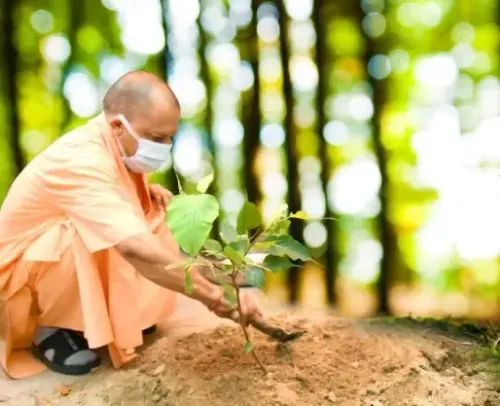
Gujarat's Forest Department has significantly scaled up its nursery-based afforestation drive under the 'Green Gujarat' initiative, deploying ₹50 crore across social forestry nurseries statewide to raise and plant nearly one crore tall seedlings this year. The programme, anchored in the 'Tall Seedling' method, targets an 80–90 per cent plant survival rate — a marked improvement over conventional plantation approaches.
The Tall Seedling Method
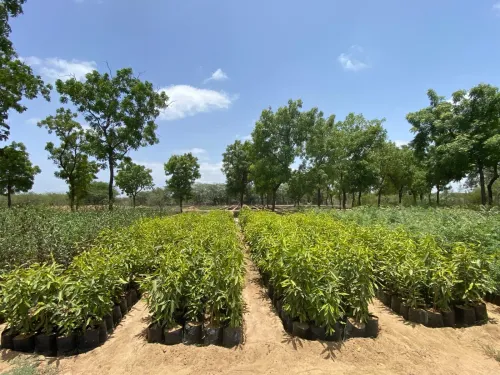
At the heart of the initiative is a deliberate shift in horticultural technique. Saplings are nurtured in nurseries until they reach a height of six to twelve feet before being transplanted, giving them a structural advantage over shorter, more vulnerable stock. Officials say the approach dramatically reduces post-transplantation mortality, which has historically undermined the impact of large-scale plantation drives.
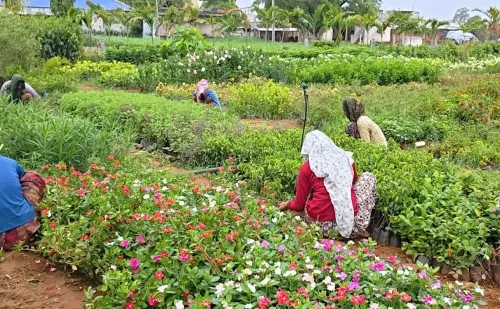
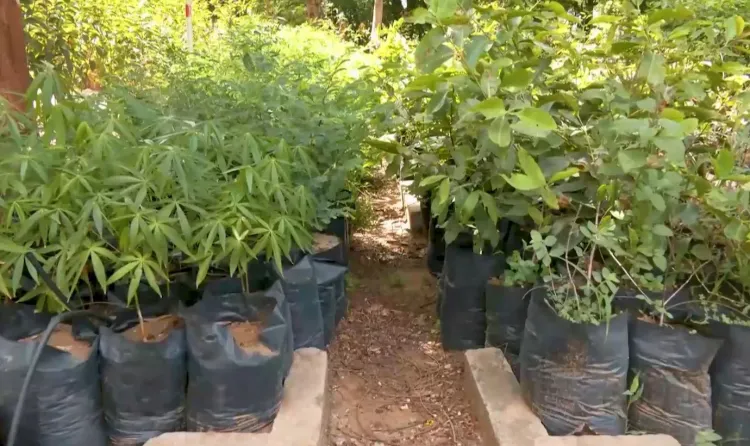
A network of 423 nurseries across Gujarat is currently producing planting material under the programme, with a primary focus on locally suited species. The annual target of one crore plants is designed around quality outcomes rather than sheer volume.
What Farmers Are Saying
Farmers who have engaged with the programme cite both economic and agronomic benefits. Raju Patel, a farmer who sourced plants from a government nursery, noted the cost advantage over private suppliers. 'If plants are taken from private nurseries, they are expensive, whereas here they are available at a lower cost. Also, if any guidance is required later, that is also provided,' he said.
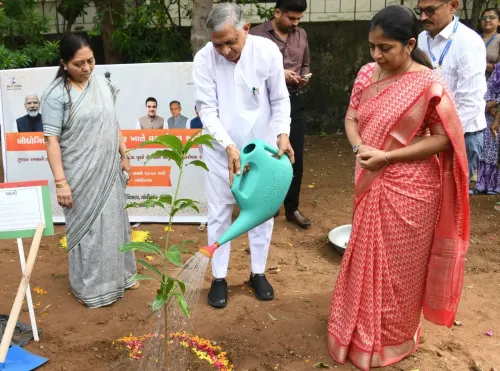
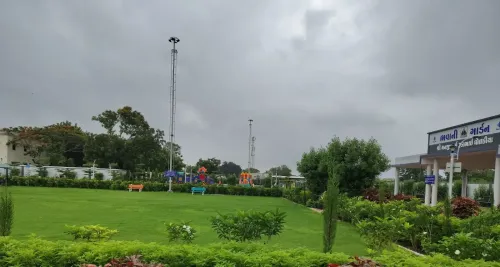
Tulsidas Patel, who visited the Rajbhavan nursery to collect Phalsa plants, pointed to tangible returns from an earlier visit. 'Four years ago also I had taken falsa plants from here, which are now bearing fruit and generating good income. It does not require much effort and gives good production,' he said.
Who the Programme Targets
The plantation drive is being implemented across a broad cross-section of society, including farmers, rural women, tribal communities, self-help groups, and general citizens. Authorities say this multi-stakeholder approach is central to expanding participation in afforestation beyond government-managed forest land and into rural and semi-urban regions.
Alongside environmental objectives, the programme is also expected to generate local employment linked to nursery management, plantation activities, and ongoing maintenance.
What the Government Said
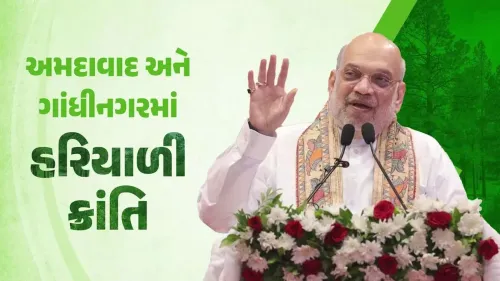
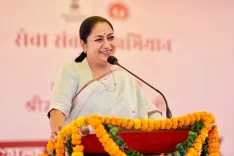
State Forest and Environment Minister Arjun Modhwadia described the current phase as an unprecedented scale-up. 'The Forest Department has brought a new scheme this year to make Green Gujarat. Under this scheme, nearly one crore plants prepared in nurseries are being planted, with heights of 8 to 12 feet. The survival rate of these plants is 80 to 90 per cent. Earlier also such experiments were conducted, but this time it is being implemented on a large scale, which will increase the green cover of the state,' he said.
Broader Context and What Comes Next
The Green Gujarat push is part of a wider national trend of state-level afforestation programmes competing to demonstrate credible tree-cover gains ahead of India's climate commitments. Gujarat's emphasis on survival rates — rather than raw planting numbers — reflects a growing acknowledgement that headline plantation figures have often overstated actual green cover gains. With 423 nurseries operational and a ₹50 crore outlay in place, the coming monsoon season will serve as the first real test of the programme's scale ambitions.
Point of View
But the 80–90% survival claim needs independent verification across monsoon cycles before it becomes a replicable model. The ₹50 crore outlay is modest relative to the state's budget, but the 423-nursery network and multi-stakeholder distribution model are structurally sound. The real test is whether post-plantation monitoring is rigorous enough to catch mortality that typically spikes in the second and third years — a gap that has quietly undermined similar drives elsewhere.
NationPress
24 Sept 2026
Frequently Asked Questions
What is Gujarat's Green Gujarat initiative?
Green Gujarat is a state afforestation programme under which the Forest Department is producing and planting nearly one crore tall seedlings across the state this year. It is backed by a ₹50 crore allocation to social forestry nurseries and involves 423 nurseries producing locally suited species.
What is the Tall Seedling method used in Gujarat's plantation drive?
The Tall Seedling method involves growing saplings in nurseries until they reach a height of six to twelve feet before transplanting them. Officials say this significantly improves post-transplantation survival rates, targeting an 80–90% success rate compared to conventional shorter-stock planting.
Who can benefit from Gujarat's government nurseries?
The programme is open to a wide range of stakeholders including farmers, rural women, tribal communities, self-help groups, and general citizens. Government nurseries also offer plants at lower cost than private suppliers and provide post-plantation guidance, according to farmers who have used the scheme.
How many nurseries are involved in the Green Gujarat programme?
A total of 423 nurseries across Gujarat are currently involved in producing planting material under the programme, with a collective annual target of approximately one crore plants.
What economic benefits does the programme offer?
Beyond environmental goals, the initiative is expected to generate local employment in nursery management, plantation work, and maintenance. Farmers have also reported income from fruit-bearing trees sourced from government nurseries in earlier cycles of the programme.