Railways to roll out 'Tank to Tap' system at 20,000 locations after CAG audit
Synopsis
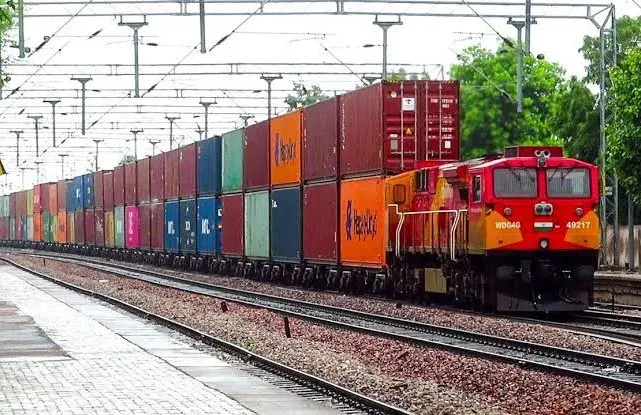
A CAG audit of 512 railway stations found that only 54 had no shortfall in basic amenities — and the fallout is now driving the largest network-wide water quality intervention Indian Railways has announced in recent memory: a 'Tank to Tap' filtration and monitoring system at 20,000 locations, with centralised accountability and public reporting built in.
Key Takeaways
Indian Railways will deploy a 'Tank to Tap' water filtration and monitoring system at approximately 20,000 locations across its network.
The move follows a CAG audit of 512 stations across 13 railway zones that found only 54 stations with no shortfall in Minimum Essential Amenities.
Railway Minister Ashwini Vaishnaw and the Railway Board directed regular water quality testing, tank maintenance, and centralised monitoring with periodic public reporting.
Western Railway ranked second among 16 zonal railways in the CAG's inter-zonal assessment with a deficiency score of 34.90 .
At Ahmedabad and Surat stations, the CAG recorded shortfalls in drinking water taps against the prescribed norm of 20 taps per platform for NSG-1 to NSG-4 stations.
Western Railway clarified that 'shortfall' denotes a quantity gap against norms, not the complete absence of facilities.
Indian Railways will deploy a 'Tank to Tap' water filtration and monitoring system at approximately 20,000 locations across its network, following a high-level review of drinking water arrangements triggered by a Comptroller and Auditor General (CAG) audit. The corrective measures were directed by Railway Minister Ashwini Vaishnaw alongside the Chairman and Chief Executive Officer of the Railway Board and senior officials.
What the 'Tank to Tap' Plan Entails
Under the new framework, water storage tanks will be replaced wherever necessary, and regular testing of drinking water quality will be mandated at both source and outlet points. A centralised monitoring and accountability mechanism will oversee compliance, with storage tanks cleaned and maintained on a prescribed schedule. The Railway Board will periodically publish water quality reports and progress updates to ensure transparency across the network.
What the CAG Audit Found
The CAG audit covered 512 railway stations across 13 railway zones, assessing compliance with prescribed Minimum Essential Amenities (MEA) standards. The findings were stark: only 54 of the 512 stations jointly inspected had no shortfall in the MEAs checked. Deficiencies were recorded across several categories — drinking water taps, seating, urinals, latrines, fans, and platform shelters. The prescribed norm for NSG-1 to NSG-4 category stations is 20 drinking water taps per platform; wherever the count fell below this figure, the CAG recorded it as a 'shortfall'.
Western Railway's Clarification on Ahmedabad and Surat
Western Railway has sought to contextualise the audit findings relating to Ahmedabad and Surat stations — both selected by the CAG among 10 high-revenue, high-passenger-traffic stations for closer scrutiny under Appendix-V of the report. The zone clarified that the term 'shortfall in provision of MEA' refers to a deficiency in the quantity of a facility against the prescribed standard, not the complete absence of that facility.
At Ahmedabad station, the CAG noted shortfalls in the number of drinking water taps, seating arrangements, and water coolers. At Surat station, shortfalls were recorded in drinking water taps and fans. Western Railway stated: 'The report does not state that drinking water or other basic passenger amenities are generally unavailable to passengers at the station.' Notably, Western Railway ranked second among 16 zonal railways in the CAG's inter-zonal assessment, recording a deficiency score of 34.90 for Minimum Essential Amenities.
Railways' Response and Next Steps
Officials indicated that the Railways is treating the CAG observations seriously and that action is being taken to strengthen facilities in line with prescribed standards within a time-bound framework. The 'Tank to Tap' rollout is positioned as an immediate corrective measure, with the Railway Board responsible for monitoring implementation. This comes amid broader concerns raised by the audit over the state of passenger amenities at stations across the country — a recurring criticism that has now prompted the most structured network-wide water quality response in recent years.
Point of View
Seats, and coolers than the Railways' own standards require. The 'Tank to Tap' rollout is a welcome response, but the credibility test will be whether the promised centralised monitoring and periodic public reporting actually materialise — or whether, as with past audit-driven reforms, implementation quietly stalls once the headline pressure fades.
NationPress
19 Aug 2026
Frequently Asked Questions
What is the 'Tank to Tap' system Indian Railways is introducing?
'Tank to Tap' is a water filtration and monitoring system that Indian Railways plans to deploy at approximately 20,000 locations across its network. It covers water quality testing at both source and outlet points, scheduled tank cleaning, and centralised accountability, with the Railway Board publishing periodic progress reports.
Why is Indian Railways introducing this system now?
The move is a direct corrective response to a CAG audit that assessed 512 railway stations across 13 zones and found that only 54 had no shortfall in prescribed Minimum Essential Amenities. Drinking water taps were among the facilities found deficient at a large number of stations.
What did the CAG audit find at Ahmedabad and Surat stations?
The CAG found shortfalls in the number of drinking water taps, seating, and water coolers at Ahmedabad station, and shortfalls in drinking water taps and fans at Surat station. Western Railway clarified these findings indicate a quantity gap against prescribed norms, not the complete absence of those facilities.
How does Western Railway rank in the CAG's inter-zonal assessment?
Western Railway ranked second among all 16 zonal railways in the CAG's inter-zonal assessment of Minimum Essential Amenities, recording a deficiency score of 34.90.
What is the prescribed drinking water tap norm for major railway stations?
For NSG-1 to NSG-4 category stations, the prescribed norm is 20 drinking water taps per platform. Where the actual number falls below this figure, the CAG records it as a 'shortfall' in its audit.