Rijiju Gets Live Briefing on Indian Railways Tech
Synopsis
Union Parliamentary Affairs Minister Kiren Rijiju and Health Minister Mansukh Mandviya received a live briefing from Railways Minister Ashwini Vaishnaw on the latest technology monitoring and managing train movements across Indian Railways, one of the world's largest rail networks.
Key Takeaways
Kiren Rijiju and Mansukh Mandviya were briefed by Ashwini Vaishnaw on 17 August 2026 on live train monitoring technology.
Indian Railways is the world's fourth-largest rail network by route length , managed by the Government of India.
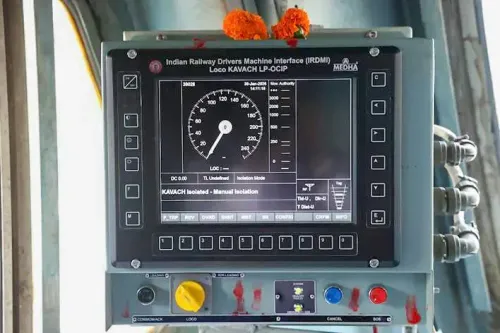
The Kavach automatic train protection system, rolled out since 2020 , is central to real-time tracking and collision avoidance.
The briefing reflects a cross-ministry effort to familiarise senior cabinet members with digital infrastructure systems.
Centralized command centres are a key pillar of the National Rail Plan for integrated traffic management.
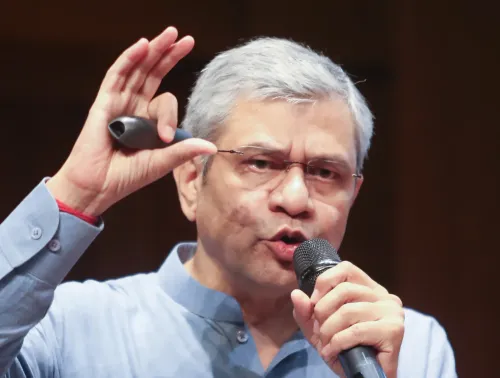
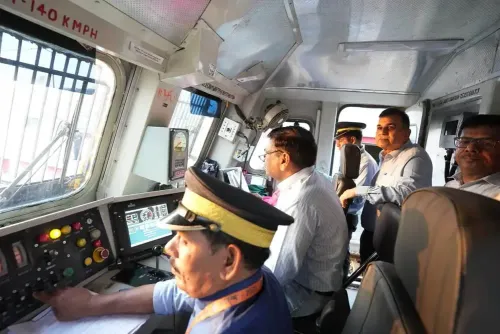
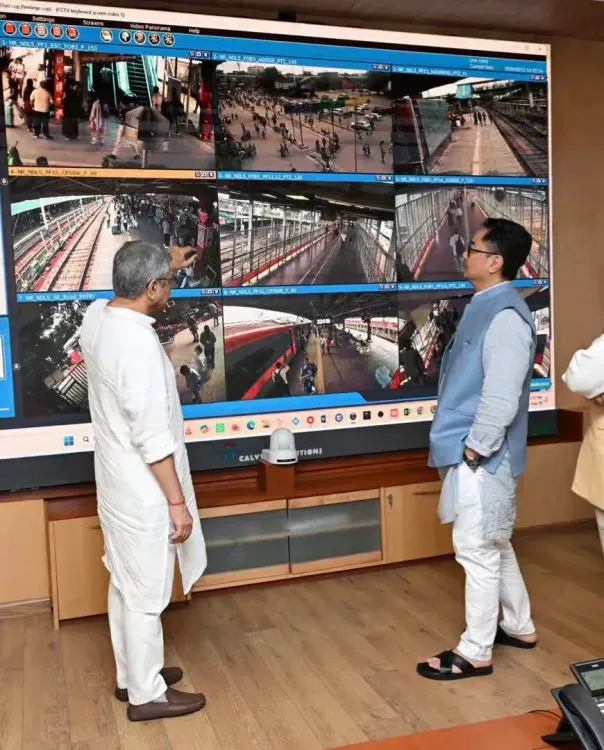
Inside a high-tech command centre, Union Parliamentary Affairs Minister Kiren Rijiju got a firsthand look at how Indian Railways — one of the world's largest rail networks — is being monitored in real time. On Monday, 17 August 2026, Railways Minister Ashwini Vaishnaw walked Rijiju and Health Minister Mansukh Mandviya through the latest technology powering the management and live tracking of train movements across the country.
What the Ministers Saw at the Control Centre
Rijiju described the experience as witnessing 'the massive Indian Railways being monitored live,' with Vaishnaw personally explaining the systems in use. The briefing covered technology deployed for updating train management and tracking movement in real time — a window into the scale and sophistication of infrastructure that moves millions of passengers every day.
The presence of Mandviya, whose portfolio spans Health and Chemicals, signals the kind of cross-ministry awareness-building that the government has been quietly encouraging — ensuring senior cabinet colleagues understand the digital backbone underpinning public services beyond their own departments.
Kavach and the Push to Digitise India's Rail Grid
The demonstration fits squarely into Indian Railways' broader modernisation drive. Since 2020, the network has been progressively rolling out Kavach, an automatic train protection system designed for real-time collision avoidance and movement tracking. Kavach is a centrepiece of the National Rail Plan, which envisions integrated command centres capable of monitoring thousands of trains simultaneously across India's vast route network.
Indian Railways is the world's fourth-largest rail network by route length, and managing its traffic in real time is an engineering challenge of enormous scale. Digital upgrades to signalling and traffic management are central to the government's ambition to improve punctuality, safety, and operational efficiency — goals that will feature prominently in upcoming railway budget deliberations and parliamentary committee reviews.
As centralised traffic control systems expand their reach, the question is no longer whether India's railways can be digitised — it is how fast that transformation can be completed at scale.
Point of View
Not just the ministers who own it. For Railways Minister Vaishnaw, showcasing live monitoring technology to colleagues like Rijiju and Mandviya is as much about political buy-in as it is about operational transparency. It also keeps the Kavach rollout and the National Rail Plan in the public conversation ahead of budget and parliamentary scrutiny. The optics of senior ministers engaging directly with technology — rather than receiving paper briefings — align with the broader 'techade' narrative the administration has been cultivating.
NationPress
1 Oct 2026
Frequently Asked Questions
What technology was demonstrated to Kiren Rijiju at Indian Railways?
Railways Minister Ashwini Vaishnaw briefed Rijiju and Mandviya on the latest systems used for real-time management and tracking of train movements, consistent with Indian Railways' ongoing digital modernisation programme.
What is the Kavach system in Indian Railways?
Kavach is an automatic train protection system that Indian Railways has been deploying since 2020. It enables real-time collision avoidance and movement tracking, and is a cornerstone of the National Rail Plan.
Why was Health Minister Mansukh Mandviya at a railway technology briefing?
Mandviya's presence reflects a cross-ministry awareness initiative, where senior cabinet ministers are being familiarised with major digital infrastructure systems beyond their own portfolios.
How big is Indian Railways?
Indian Railways is the world's fourth-largest rail network by route length and is operated by the Government of India, serving millions of passengers daily.
What is India's National Rail Plan?
The National Rail Plan is the government's long-term framework for modernising Indian Railways, including the deployment of integrated command centres for real-time traffic monitoring and management.