Surat air-jet loom expansion: 10,000-15,000 new machines planned in Gujarat
Synopsis
Surat is targeting a jump from 30,000 to as many as 45,000 air-jet loom machines within a year — and Deputy CM Harsh Sanghavi has set an even bolder five-year goal: the highest concentration of operational air-jet machines anywhere in the world. Backed by ₹8,000 crore in state disbursements and a PM MITRA Park in the pipeline, this is Gujarat's most concrete bet yet on turning Surat into a global textile powerhouse.
Key Takeaways
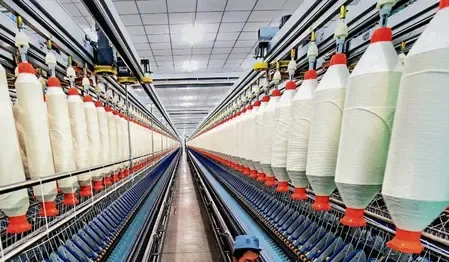
Surat plans to add 10,000–15,000 new air-jet loom machines over the next year, building on an existing base of approximately 30,000 machines.
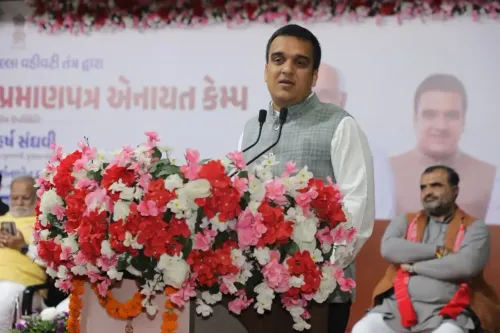
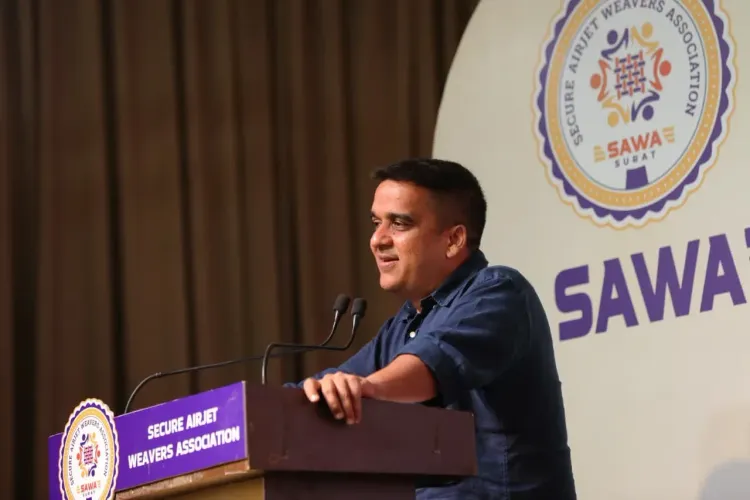
Deputy Chief Minister Harsh Sanghavi announced the expansion at the Secure Airjet Weavers Association's Weavers' Paramarsh Sammelan on 18 July .
Gujarat disbursed ₹8,000 crore to traders under its Textile Policy in a single year.
Daily file clearances under the MSME framework have risen from 170 to 397 ; direct benefit transfers to 500 traders per day are planned.
The proposed PM MITRA Park in South Gujarat is in the tendering stage and is expected to create the region's largest textile ecosystem.
Sanghavi projected Surat could become the city with the most operational air-jet machines in the world within five years.
Surat's textile industry is set to add between 10,000 and 15,000 new air-jet loom machines over the next year, as the Gujarat government pushes technology adoption, value addition, and export-led growth to cement the city's standing as a global textile manufacturing hub. The announcement came on Saturday, 18 July at the Secure Airjet Weavers Association's Weavers' Paramarsh Sammelan held at Saniya Hemad in Surat.
Scale of the Expansion
Deputy Chief Minister Harsh Sanghavi said the planned addition would build on the approximately 30,000 modern air-jet loom machines already operating in the city. The expansion is expected to generate fresh employment while boosting overall production capacity. Sanghavi expressed confidence that Surat would have the largest number of operational air-jet machines anywhere in the world within the next five years.
'With government incentives and modern infrastructure, the textile industry will scale new heights in the global market,' he said.
Government Support and Policy Incentives
Sanghavi highlighted that Gujarat had disbursed ₹8,000 crore to traders under the state's Textile Policy in a single year — a figure that underscores the scale of state backing for the sector. He also pointed to improvements in administrative efficiency under the MSME framework, noting that the number of files cleared per day had risen from around 170 to 397. The government is also making arrangements to directly transfer incentives into the bank accounts of 500 traders every day in the near future, he added.
Infrastructure: PM MITRA Park in the Pipeline
On infrastructure, Sanghavi said the proposed PM MITRA Park is currently in the tendering stage and is expected to anchor what he described as the 'largest textile ecosystem' in South Gujarat. He urged industrialists to expand garment manufacturing with higher value addition, expressing confidence that Surat and the wider South Gujarat region could emerge as India's largest garment manufacturing hub.
Focus on Sustainability and Global Competitiveness
Sanghavi urged textile manufacturers to focus on sustainable, high-quality, value-added products to remain competitive internationally. He noted that Surat's textile entrepreneurs had 'consistently been among the first to adopt new technologies, helping the city retain its prominence in the sector.' The Deputy Chief Minister also acknowledged the contribution of workers and entrepreneurs from across the country who had settled in Surat, crediting them with playing an important role in the city's economic growth.
What the Sammelan Was About
The Weavers' Paramarsh Sammelan was organised to promote sustainable growth and modernisation of Surat's textile industry, encourage wider adoption of air-jet weaving technology, and increase value addition in textile manufacturing. This comes amid a broader national push to position Indian textile clusters as competitive alternatives to Chinese manufacturing in global supply chains.
With the PM MITRA Park tendering underway and direct-benefit transfers being scaled up, the next twelve months will be a key test of whether Surat can convert policy momentum into verifiable industrial output.
Point of View
000 crore disbursed in a single year is a significant number, but the critical question is whether incentives are tied to measurable employment and export outcomes or simply to machine installation. The PM MITRA Park, still at tendering stage, has been in the works for years; delays there could blunt the ecosystem play. And while Sanghavi's five-year 'largest in the world' target is a compelling headline, Surat's garment manufacturing value chain remains underdeveloped relative to its fabric output — that gap, not loom count, is the real competitive constraint.
NationPress
19 Jul 2026
Frequently Asked Questions
How many new air-jet loom machines is Surat planning to add?
Surat's textile industry is planning to add between 10,000 and 15,000 new air-jet loom machines over the coming year, according to Deputy Chief Minister Harsh Sanghavi. This would expand the city's existing base of approximately 30,000 modern air-jet looms.
What is the Gujarat government's financial support for the textile sector?
Gujarat disbursed ₹8,000 crore to traders under its Textile Policy in a single year, according to Deputy CM Harsh Sanghavi. The government is also planning to transfer incentives directly into the bank accounts of 500 traders every day in the near future.
What is PM MITRA Park and how does it relate to Surat's textile expansion?
PM MITRA Park is a proposed industrial textile park for South Gujarat that is currently in the tendering stage. Deputy CM Sanghavi described it as the foundation for the 'largest textile ecosystem' in the region, intended to support Surat's ambition to become India's largest garment manufacturing hub.
What was the Weavers' Paramarsh Sammelan about?
The Weavers' Paramarsh Sammelan, organised by the Secure Airjet Weavers Association in Surat on 18 July, was held to promote sustainable growth and modernisation of the city's textile industry, encourage adoption of air-jet weaving technology, and push for greater value addition in textile manufacturing.
What is Surat's five-year goal for air-jet weaving?
Deputy CM Harsh Sanghavi expressed confidence that Surat would have the largest number of operational air-jet machines anywhere in the world within the next five years. The city currently has approximately 30,000 such machines in operation.