Gujarat to shift urban power lines underground by 2030 with ₹500 crore push
Synopsis
Gujarat has committed to erasing overhead power lines from every one of its cities by 2030. With ₹500 crore for phase one and a sweep across 17 corporations and 151 municipalities, the ‘Wire Free City Mission' aims to cyclone-proof the grid and reshape urban skylines — a rare large-scale undergrounding push by an Indian state.
Key Takeaways
The Gujarat cabinet, chaired by CM Bhupendra Patel , approved the ‘Gujarat Wire Free City Mission' on 3 June . ₹500 crore has been allocated for the first phase of the project.
The mission covers all 17 municipal corporations and 151 municipalities , targeting completion by 2030 .
Over 14,600 ckm of high-tension and 31,400 ckm of low-tension overhead lines will be shifted underground.
Phase one will focus on converting 11 kV overhead lines; low-tension lines follow in later phases.
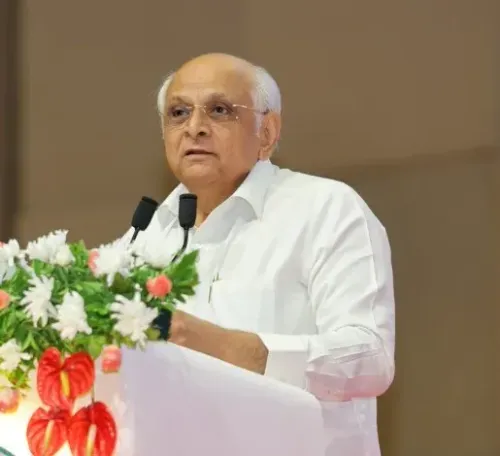
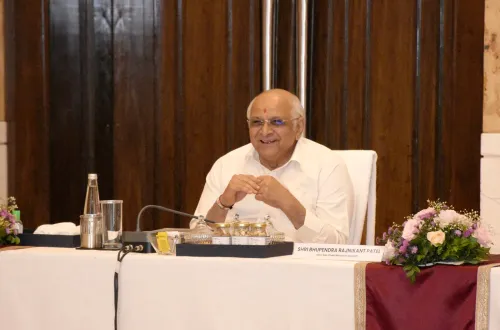
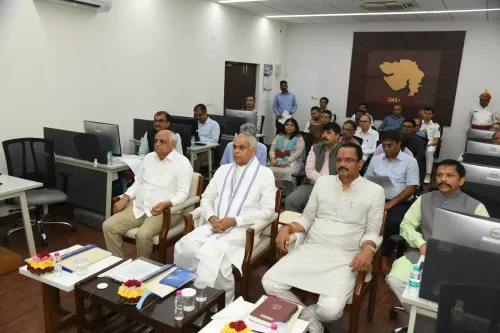
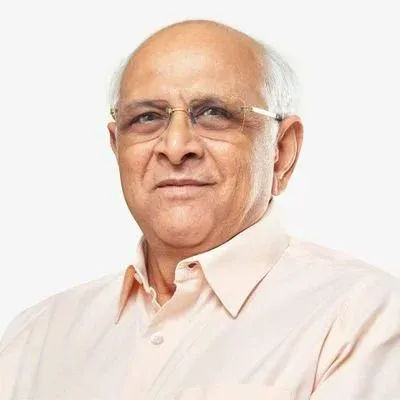
The Gujarat government on 3 June approved an ambitious plan to move the entire urban electricity distribution network underground by 2030, covering all 17 municipal corporations and 151 municipalities across the state. The cabinet, chaired by Chief Minister Bhupendra Patel in Gandhinagar, cleared in-principle the ‘Gujarat Wire Free City Mission’ and earmarked ₹500 crore for its first phase.
What the mission covers
Under the project, existing overhead electricity infrastructure in cities will be converted into a fully underground cable network in a phased rollout. More than 14,600 circuit kilometres of high-tension overhead lines and over 31,400 circuit kilometres of low-tension overhead lines will be shifted underground in stages.
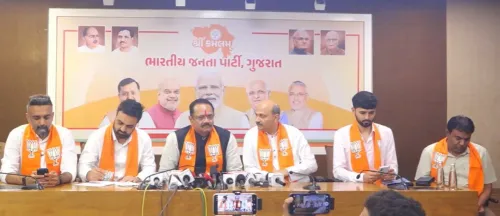
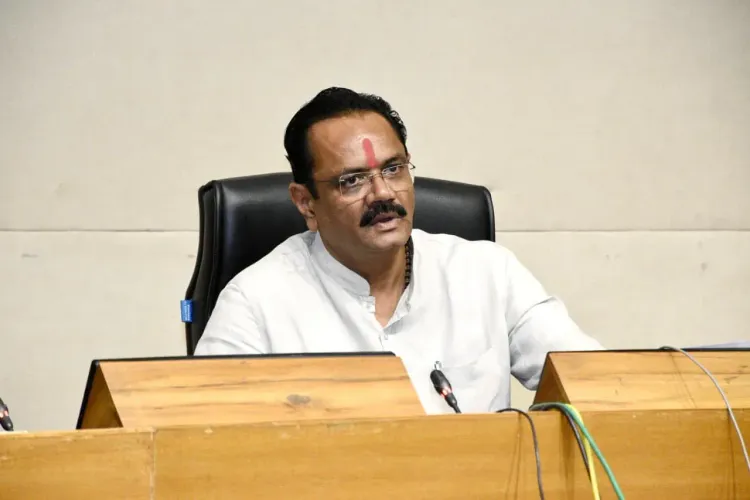
Government spokesperson and minister Jitu Vaghani said implementation will begin with the conversion of 11 kV overhead power lines to underground cables, with low-tension lines to follow in subsequent phases.
What the government said
Vaghani said the initiative had been conceived in line with Prime Minister Narendra Modi's vision of green and smart cities. ‘Under the Gujarat Wire Free City Mission, all cities in the state will be made wire-free in a phased manner by the year 2030,' he said, adding that the ₹500 crore allocation was for the opening phase of the programme.
Describing the scope, he said the mission would touch every notified urban body in the state and was expected to lift both the safety quotient and the visual appeal of Gujarat's cities.
Why it matters
Vaghani argued that underground cabling would help prevent accidents caused by snapped wires and short circuits during natural disasters such as cyclones — a recurring hazard in coastal Gujarat. ‘Underground cabling will prevent incidents such as wire breakages and short circuits during natural calamities like cyclones,' he said.
The minister added that fewer technical faults would translate into a more reliable distribution system. ‘Due to a reduction in technical faults, citizens will receive better-quality electricity and uninterrupted power supply without any kind of disruption,' he said.
Framing the project
Vaghani positioned the mission as more than a routine infrastructure upgrade. ‘The Gujarat Wire Free City Mission is not merely a routine project to replace power lines, but a historic and significant step by our government towards building a smart, beautiful and safe Gujarat of the 21st century,' he said.
What's next
The first-phase rollout, backed by the ₹500 crore outlay, will focus on the 11 kV network. Subsequent phases will progressively absorb the low-tension overhead network, with the 2030 deadline framing the overall execution timeline.
Point of View
000 ckm of lines to be moved, where per-km undergrounding costs typically run several times overhead equivalents. The cyclone-resilience case is strong, especially for Gujarat's coastal belt, but execution will hinge on tariff treatment and whether DISCOM finances can absorb the capex without passing it to consumers. Watch the next two budgets for the real funding signal.
NationPress
23 Sept 2026
Frequently Asked Questions
What is the Gujarat Wire Free City Mission?
It is a state-wide initiative approved by the Gujarat cabinet on 3 June to shift the entire urban overhead electricity distribution network underground by 2030. The mission covers all 17 municipal corporations and 151 municipalities in the state.
How much has the Gujarat government allocated for the project?
The state government has approved ₹500 crore for the first phase of the Wire Free City Mission. Subsequent phases will be funded as the rollout progresses.
Which power lines will be shifted underground first?
Implementation will begin with the conversion of 11 kV overhead lines to underground cables. Low-tension overhead lines will be moved underground in later phases.
How much overhead network will be moved underground in total?
More than 14,600 circuit kilometres of high-tension and over 31,400 circuit kilometres of low-tension overhead network will be shifted underground in stages by 2030.
Why is Gujarat moving its urban power network underground?
According to minister Jitu Vaghani, the move will prevent accidents from snapped wires and short circuits during cyclones and other natural calamities. It is also expected to reduce technical faults and improve power supply reliability and urban aesthetics.