Gujarat gives 9 new municipal corporations free govt land for 5 years
Synopsis
Gujarat has more than doubled its municipal corporation count from 8 to 17 — and now the nine newest additions are getting free government land for five years to build everything from fire stations to sewage plants. It is the state's biggest urban governance expansion in 14 years, and the free-land window is the Centre of a high-stakes infrastructure race for these fast-growing tier-2 cities.
Key Takeaways
Chief Minister Bhupendra Patel approved free government land for five years to nine new municipal corporations on 10 July .
The nine cities are Mehsana, Nadiad, Anand, Navsari, Vapi, Morbi, Gandhidham, Surendranagar , and Porbandar .
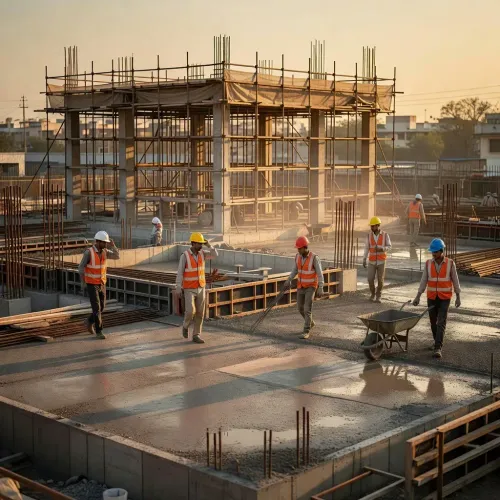
Land is available for 11 categories of public utility projects including fire stations, sewage treatment plants, and town halls.
The upgradation raised Gujarat's total municipal corporation count from 8 to 17 — the first expansion in 14 years .
The land allotment process has been simplified at the district level to accelerate development.
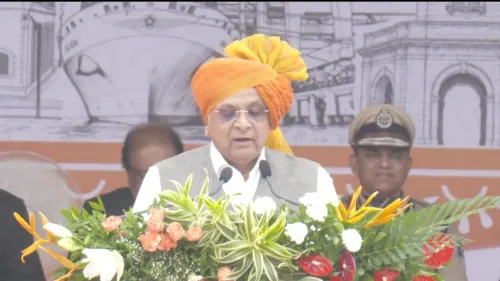
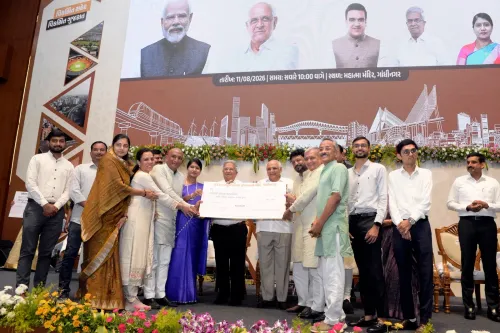
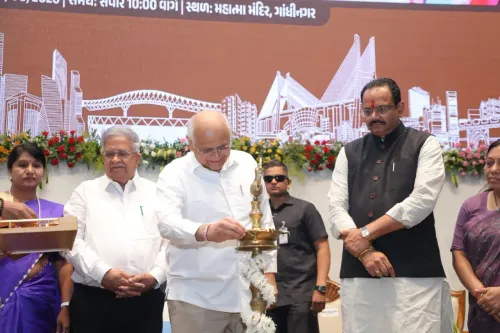
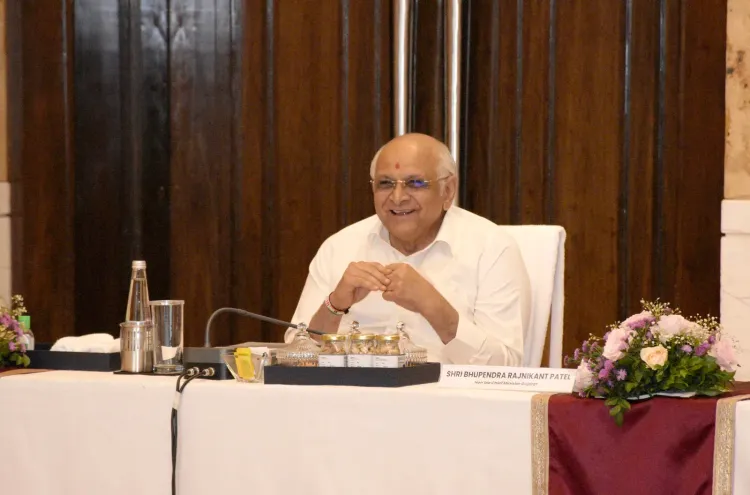
The Gujarat government on Friday, 10 July announced that nine newly upgraded municipal corporations will receive government land free of cost for five years to help them build essential civic infrastructure as they transition from municipalities to full-fledged urban local bodies. The decision was taken by Chief Minister Bhupendra Patel.
Which Cities Are Covered
The free land benefit applies to the municipal corporations of Mehsana, Nadiad, Anand, Navsari, Vapi, Morbi, Gandhidham, Surendranagar, and Porbandar. These nine cities were previously classified as Class 'A' municipalities and were upgraded to municipal corporations after the Gujarat Cabinet approved the change on 1 January last year — the state's first such expansion in 14 years, since the formation of the Gandhinagar Municipal Corporation in 2010.
What Infrastructure Will Be Built
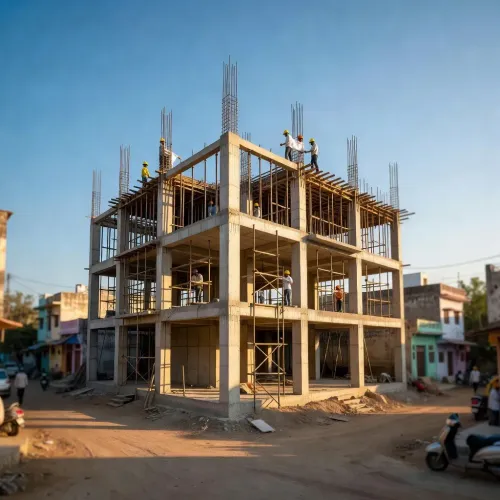
Under the scheme, the nine corporations are eligible to receive government land for 11 categories of public utility projects. These include Municipal Seva Sadan office buildings, fire stations, sewage treatment plants, water treatment plants, underground sewerage networks, pumping stations, water supply infrastructure, solid and liquid waste management plants, stormwater drainage works, balwadis (anganwadis), and public buildings such as town halls, community halls, and convention centres.
Why the Government Acted
The upgradation from municipalities to municipal corporations has substantially expanded the jurisdictional boundaries of all nine cities, increasing both the population served and the administrative responsibilities involved. The state government said the measure is designed to strengthen urban local bodies and enable them to deliver basic civic services more efficiently during this critical transition period.
To further ease the process, the government has also decided to simplify the land allotment procedure at the district level, reducing bureaucratic delays for development projects across the newly expanded municipal areas. District collectors were initially appointed as administrators for these bodies until elected civic councils could be constituted.
Broader Impact on Gujarat's Urban Landscape
The upgradation of the nine cities raised the total number of municipal corporations in Gujarat from eight to 17 — effectively more than doubling the count in a single policy move. This marks a significant structural shift in how the state governs its tier-2 and tier-3 urban centres, which have seen rapid population growth and rising demand for organised civic services.
Notably, the five-year window of free land access is intended to give these nascent corporations enough runway to establish core infrastructure without the added financial burden of land acquisition costs at a time when their revenue bases are still maturing. How effectively these bodies utilise the window will determine the long-term quality of urban services in these cities.
Point of View
But the harder challenge begins now. Newly upgraded bodies typically inherit thin revenue streams, legacy infrastructure deficits, and expanded jurisdictions — a combination that has strained similar transitions in other states. The five-year free-land window addresses one cost pressure, but without ring-fenced grants for operations and a credible timeline for elected councils, these corporations risk becoming administrative shells. Gujarat's urban governance track record is strong relative to the national average, but tier-2 city upgrades are where that reputation will be tested at scale.
NationPress
10 Oct 2026
Frequently Asked Questions
Which nine cities in Gujarat received free government land for civic infrastructure?
The nine cities are Mehsana, Nadiad, Anand, Navsari, Vapi, Morbi, Gandhidham, Surendranagar, and Porbandar. All were previously Class 'A' municipalities and were upgraded to municipal corporations by the Gujarat Cabinet on 1 January last year.
For how long will the free government land be available to these municipal corporations?
The free land allotment will remain available for five years from the date of the decision. It is intended to give the newly formed corporations time to build core civic infrastructure without the burden of land acquisition costs.
What types of projects are eligible for free land under this scheme?
Eleven categories of public utility projects are eligible, including Municipal Seva Sadan office buildings, fire stations, sewage treatment plants, water treatment plants, underground sewerage networks, pumping stations, water supply infrastructure, waste management plants, stormwater drainage works, balwadis (anganwadis), and public buildings such as town halls and convention centres.
How many municipal corporations does Gujarat now have after this upgrade?
Gujarat now has 17 municipal corporations, up from eight before the upgradation. The addition of nine new corporations is the state's first such expansion in 14 years, since the Gandhinagar Municipal Corporation was formed in 2010.
Why did Gujarat upgrade these nine municipalities to municipal corporations?
The nine cities had grown significantly in population and urban extent, warranting a higher tier of civic governance. The upgrade, approved on 1 January last year, also expanded their jurisdictions, increasing the need for organised civic services and infrastructure — which the free-land scheme now aims to support.