CM Bhupendra Patel Allots Free Land to 9 New Gujarat Municipal Corporations
Synopsis
Chief Minister Bhupendra Patel has ordered free government land allocation to nine newly formed Gujarat municipal corporations — Vapi, Mehsana, Porbandar, Morbi, Gandhidham, Nadiad, Anand, Navsari, and Surendranagar — to build 11 categories of essential civic infrastructure over five years, accelerating urban service delivery in the state's secondary cities.
Key Takeaways
Nine newly formed municipal corporations — Vapi, Mehsana, Porbandar, Morbi, Gandhidham, Nadiad, Anand, Navsari, and Surendranagar — will receive free government land.
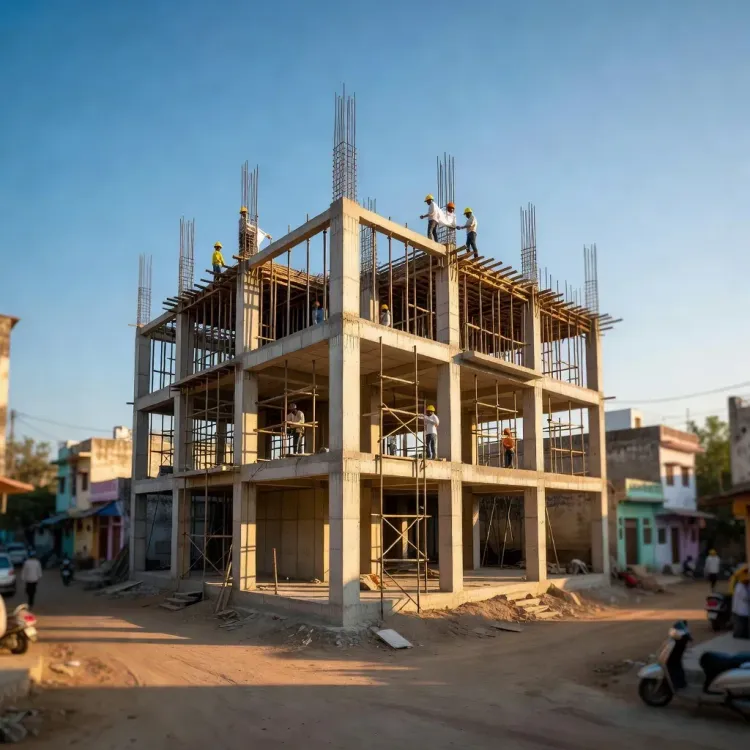
The land can be used to construct 11 categories of civic facilities including fire stations, sewage treatment plants, water treatment plants, and storm water drainage networks.
The allocation window spans five years , giving the corporations a defined timeline to build out basic infrastructure.
Other permitted facilities include Anganwadi centres, town halls, community halls, convention centres, and public parks .
The decision targets cities beyond Gujarat's primary urban corridor, focusing on Saurashtra, Kutch, and north and central Gujarat .
The move reduces the capital burden on newly constituted bodies that typically have limited revenue in their early years.
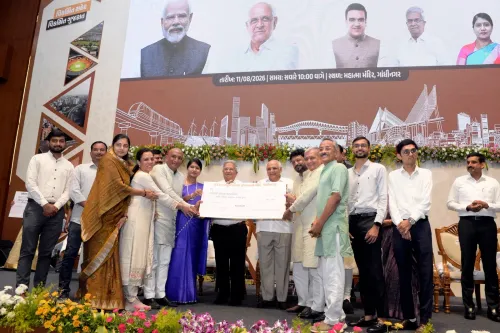
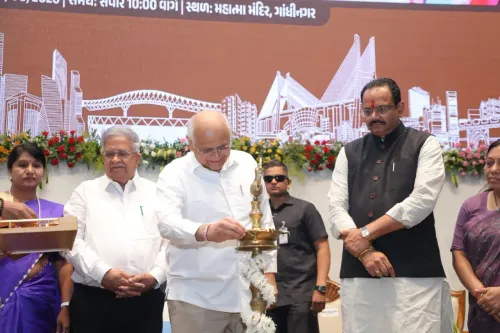
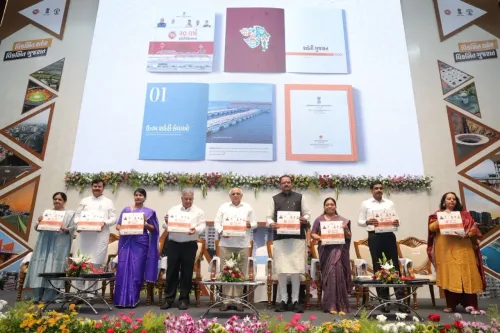
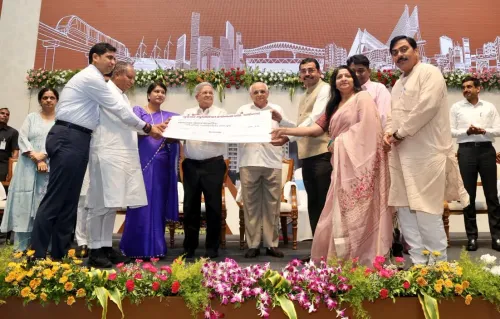
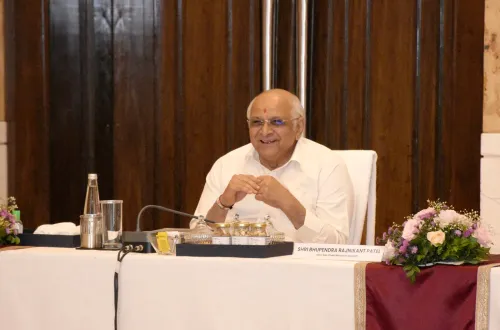
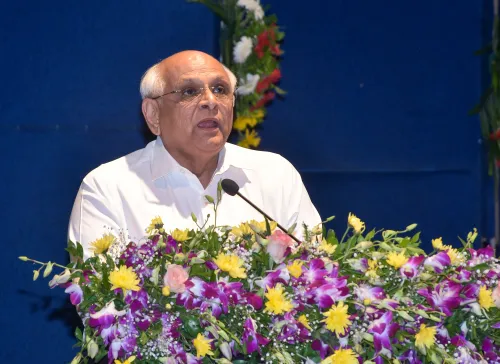
The Chief Minister's Office of Gujarat announced on Friday, 10 July 2026 that Chief Minister Bhupendra Patel has decided to allocate government land free of cost to nine newly formed municipal corporations across the state, enabling them to build up to 11 categories of essential civic infrastructure over the next five years.
The nine corporations covered under the decision are Vapi, Mehsana, Porbandar, Morbi, Gandhidham, Nadiad, Anand, Navsari, and Surendranagar. The Chief Minister's Office stated the decision was taken with the aim of providing citizens with 'fast and quality primary facilities' (ઝડપી અને ગુણવત્તાસભર પ્રાથમિક સુવિધાઓ).
Context
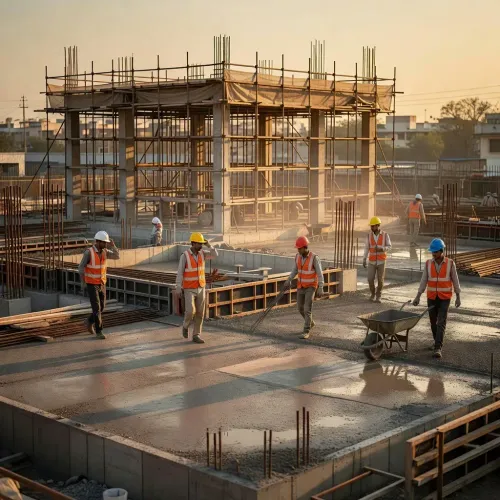
The 11 categories of facilities that can now be constructed on the allocated land include a Nagar Seva Sadan (civic services centre), fire station, sewage treatment plant (STP), water treatment plant (WTP), underground drainage network, pumping station, water supply project, solid and liquid waste management plant, and storm water drainage works. The list also covers Anganwadi centres as well as town halls, community halls, convention centres, and public parks and gardens.
By removing the cost barrier of acquiring government land, the state administration aims to accelerate the pace of urban infrastructure creation in cities that have only recently transitioned to full municipal corporation status.
Policy Backdrop
Gujarat has pursued a deliberate strategy of upgrading tier-2 and tier-3 towns into municipal corporations to manage growing industrial activity and population influx, particularly in regions such as Saurashtra, Kutch, and north Gujarat — areas historically outside the dominant Ahmedabad–Surat–Vadodara urban corridor. Cities such as Morbi, a ceramics and industrial hub, and Gandhidham, a port-linked commercial centre in Kutch, are emblematic of this second-tier urban expansion.
The move aligns with the broader framework of the 74th Constitutional Amendment of 1992, which mandated empowered urban local bodies for civic service delivery. It also complements the national AMRUT (Atal Mission for Rejuvenation and Urban Transformation) programme launched in 2015, under which Gujarat has channelled funds into water supply and sewerage infrastructure in smaller cities.
Stakeholders and Impact
The primary beneficiaries are the urban residents of the nine cities, who have been receiving civic services through bodies with more limited administrative and financial capacity than full municipal corporations. Free land transfer directly reduces the capital expenditure burden on these newly constituted bodies, which typically have thin revenue bases in their early years of operation.
Vapi, an industrial zone in southern Gujarat, and Nadiad and Anand in central Gujarat's fertile belt each face distinct infrastructure demands — from industrial effluent management to rapidly expanding residential populations. The decision allows each corporation to prioritise from the 11 permitted facility categories based on local need, without waiting for land acquisition funds.
What's Next
The critical variable will be implementation: whether the nine corporations can translate the land allocation into completed facilities within the five-year window. Projects such as sewage treatment plants, storm water drainage networks, and water treatment plants typically require detailed project reports, tendering, and contractor mobilisation that can stretch timelines even when land is secured. Urban development observers will watch whether the state pairs this land-allocation decision with dedicated capital grants or technical assistance to the newer bodies. The announcement also signals that CM Bhupendra Patel intends urban development in secondary cities to be a visible policy priority as Gujarat moves through the second half of the decade.
Point of View
The Gujarat government is signalling that the upgrade from town panchayat or municipality to full corporation will be backed by tangible state support, not just administrative reclassification. The choice of cities — spanning Saurashtra, Kutch, and the central Gujarat belt — reflects a deliberate effort to distribute urban investment beyond the state's three dominant metros. Whether this translates into completed sewage plants and fire stations within five years, rather than land parcels sitting idle through procedural delays, will be the real test of the policy's ambition.
NationPress
10 Oct 2026
Frequently Asked Questions
Which nine cities got free government land under Gujarat CM's new decision?
The nine cities are Vapi, Mehsana, Porbandar, Morbi, Gandhidham, Nadiad, Anand, Navsari, and Surendranagar — all recently elevated to municipal corporation status in Gujarat.
What facilities can be built on the free land given to Gujarat's new municipal corporations?
The 11 permitted categories include a Nagar Seva Sadan, fire station, sewage treatment plant, water treatment plant, underground drainage, pumping station, water supply project, solid and liquid waste management plant, storm water drainage works, Anganwadi centres, and town halls, community halls, convention centres, and public parks.
How long is the free land allocation valid for Gujarat's new municipal corporations?
The government land will be available free of cost for a period of five years to allow the corporations time to plan and construct the required infrastructure.
Why did Gujarat allocate free land to newly formed municipal corporations?
Newly formed municipal corporations typically have limited revenue and face high land acquisition costs. Free land allocation removes this upfront financial barrier, enabling faster construction of essential civic facilities for residents.
What is the significance of Gujarat upgrading tier-2 cities to municipal corporations?
Elevating smaller cities to full municipal corporation status gives them greater administrative powers and access to state and central urban development funds, helping manage industrial growth and population expansion in regions beyond Ahmedabad, Surat, and Vadodara.