Shekhawat: 3 Ancient Artefacts to Return from Australia
Synopsis
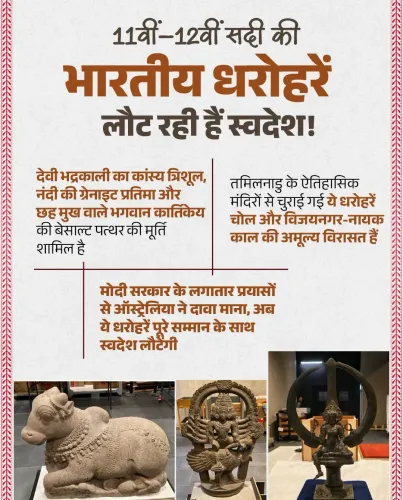
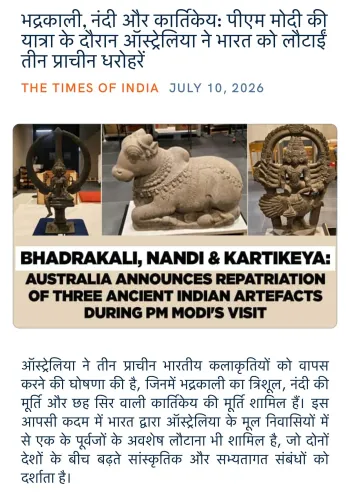
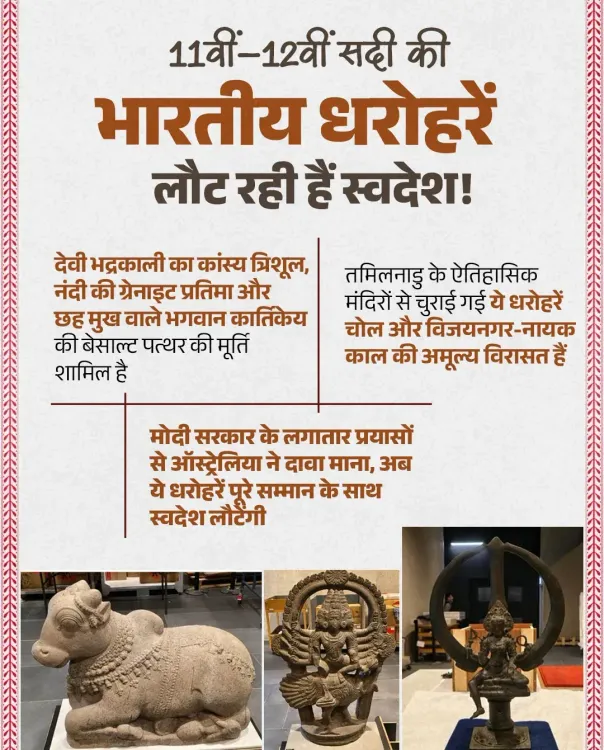
Union Culture Minister Gajendra Singh Shekhawat announced on 10 July 2026 that three ancient Indian artefacts from the 11th–12th centuries, illegally removed and housed in two Australian galleries, will be repatriated to India under the Modi government's sustained cultural diplomacy efforts.
Key Takeaways
Union Culture and Tourism Minister Gajendra Singh Shekhawat announced the repatriation of three ancient Indian artefacts from Australia on 10 July 2026 .
The objects date to the 11th–12th centuries and were allegedly taken out of India illegally.
The artefacts were held at the National Gallery of Australia (Canberra) and the Art Gallery of New South Wales (Sydney).
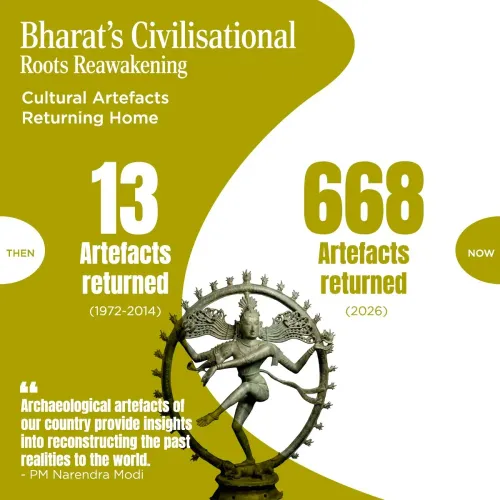
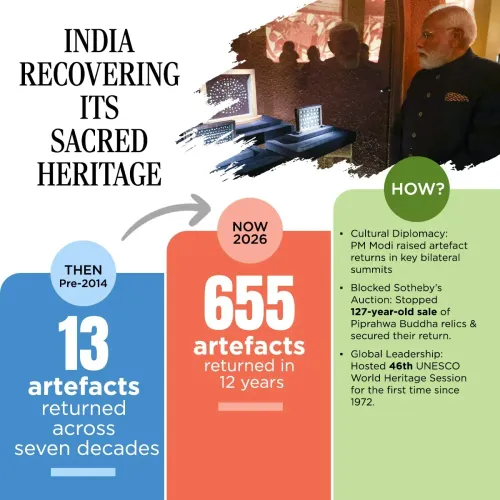
The Ministry of Culture has operated a dedicated antiquities repatriation cell since 2014 .
India's restitution framework is backed by the UNESCO Convention on illicit cultural property and bilateral cultural MoUs with Australia.
A formal handover ceremony between the two governments is anticipated as the next step.
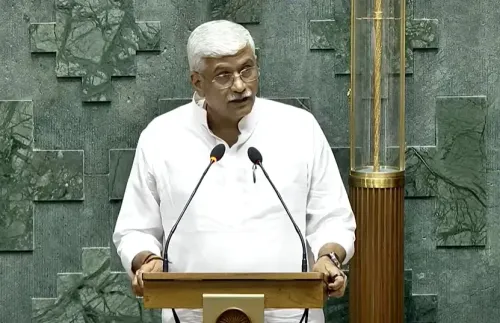
Union Culture and Tourism Minister Gajendra Singh Shekhawat announced on Friday, 10 July 2026 that three ancient Indian heritage objects dating to the 11th–12th centuries will be repatriated from Australia to India, crediting sustained diplomatic efforts by the Modi government for securing their return.
Context
In a post on X, Minister Shekhawat stated that the three antiquities had been 'अवैध रूप से भारत से बाहर ले जाकर' ('illegally taken out of India') and were being held at the National Gallery of Australia and the Art Gallery of New South Wales. He described the repatriation as not merely the return of artefacts, but the restoration of India's 'cultural identity, faith and pride' — 'सांस्कृतिक अस्मिता, आस्था और गौरव की पुनर्स्थापना'.
The minister added: 'When heritage returns, it is not just history that returns — the nation's self-respect returns too' ('जब विरासत लौटती है, तो केवल इतिहास नहीं, राष्ट्र का स्वाभिमान भी लौटता है').
Policy Backdrop
Since 2014, the Ministry of Culture has maintained a dedicated cell to trace and negotiate the return of Indian antiquities held abroad. India is a signatory to the UNESCO Convention on the Means of Prohibiting and Preventing the Illicit Import, Export and Transfer of Ownership of Cultural Property, which provides the legal backbone for such restitution claims.
The Archaeological Survey of India (ASI) coordinates repatriation efforts, working alongside the Ministry of External Affairs during bilateral diplomatic engagements. Cultural memoranda of understanding between India and Australia have provided an additional institutional framework for such claims. Returns from institutions in the United States, the United Kingdom, and several European countries have become a recurring feature of high-level bilateral visits in recent years.
Stakeholders and Impact
The National Gallery of Australia, based in Canberra, and the Art Gallery of New South Wales, located in Sydney, are both premier public institutions whose South Asian collections have previously been subject to provenance scrutiny. The return of these three objects — described as belonging to the 11th and 12th centuries — will be closely watched by heritage communities in both countries.
For Indian heritage advocates and religious communities, antiquities of this era often carry deep cultural and devotional significance, and their restitution is seen as a matter of national identity beyond mere museum inventory. The announcement is also likely to be welcomed by diaspora communities in Australia.
What's Next
A formal handover ceremony is expected to be scheduled between the two governments, potentially accompanied by a joint statement on future provenance research and cooperation. The repatriation is expected to add momentum to India's broader push for the return of antiquities from institutions worldwide, with the Ministry of Culture continuing to maintain an active registry of objects claimed for restitution.
Point of View
Using antiquities repatriation as both a heritage milestone and a soft-power signal. By framing the return in terms of national self-respect rather than museum logistics, Minister Shekhawat is amplifying the political resonance of what is, in diplomatic terms, a routine bilateral outcome. The Australia-India axis is notable here: previous high-profile returns have centred on the US and UK, making Australian institutions a newer frontier for India's restitution push. Whether this announcement accelerates a broader audit of South Asian collections in Australian public galleries will be the substantive question to watch.
NationPress
10 Jul 2026
Frequently Asked Questions
Which artefacts are being returned from Australia to India?
Three ancient Indian heritage objects dating to the 11th–12th centuries are being repatriated. They were held at the National Gallery of Australia in Canberra and the Art Gallery of New South Wales in Sydney, having allegedly been removed from India illegally.
Who announced the repatriation of Indian artefacts from Australia?
Union Culture and Tourism Minister Gajendra Singh Shekhawat announced the repatriation on 10 July 2026 via a post on X, attributing the achievement to sustained efforts by the Modi government.
How does India secure the return of stolen antiquities from abroad?
India uses diplomatic channels, bilateral cultural MoUs, and the framework of the UNESCO Convention on illicit cultural property to negotiate restitution. The Ministry of Culture has maintained a dedicated repatriation cell since 2014, with the Archaeological Survey of India coordinating claims.
Has India previously recovered artefacts from Australia?
India-Australia cultural memoranda of understanding have provided a framework for such claims, though high-profile returns have more commonly involved institutions in the United States and United Kingdom. This announcement signals a newer focus on Australian public galleries.
What happens after India and Australia agree to return artefacts?
Typically, a formal handover ceremony is organised between the two governments, sometimes accompanied by a joint statement on provenance research and future cultural cooperation. The specific dates and ceremony details for these three objects had not been announced at the time of the minister's post.