Gujarat CM Bhupendra Patel: Tribal students now reach science, medical courses
Synopsis
On the second day of Gujarat's 24th Shala Praveshotsav, CM Bhupendra Patel enrolled over 300 tribal children in schools in Dahod and announced a scholarship income-ceiling hike from ₹2.5 lakh to ₹6 lakh — a signal that the state is trying to convert enrolment momentum into professional-level outcomes for a community that historically had little access to higher education.
Key Takeaways
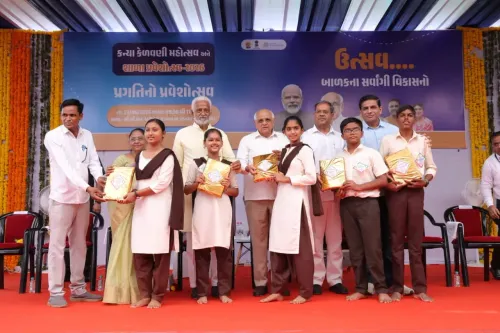
Gujarat CM Bhupendra Patel enrolled more than 300 children in schools at Moti Kharaj , Rahadungari , and Gangarda villages in Dahod district on 24 June .
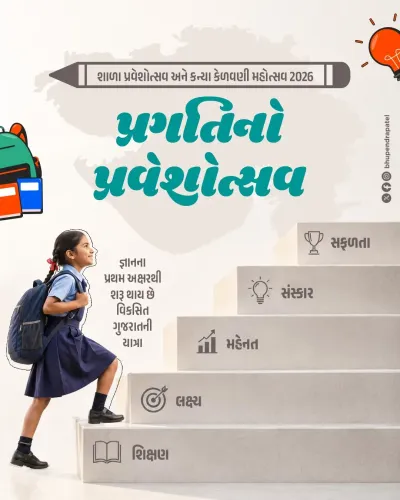
The event was the second day of the 24th Shala Praveshotsav (school enrolment drive).
Tribal student scholarship income eligibility raised from ₹2.5 lakh to ₹6 lakh .
Girls in Classes 9–12 eligible for up to ₹50,000 under Namo Lakshmi Scheme ; science-stream girls in Classes 11–12 eligible for up to ₹75,000 in combined assistance.
A modern English-medium school at Singvad built at a cost of ₹23 crore cited as a benchmark for tribal infrastructure.
Irrigation projects worth more than ₹5,000 crore approved to bring Narmada water to Dahod and surrounding areas to curb labour migration.
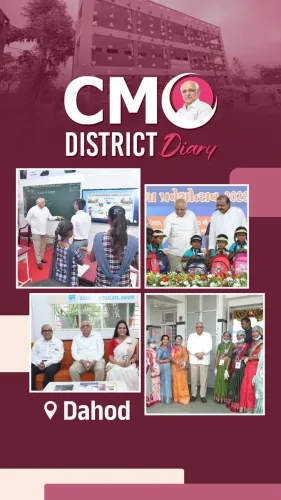
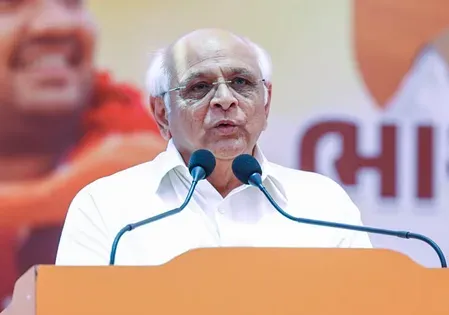
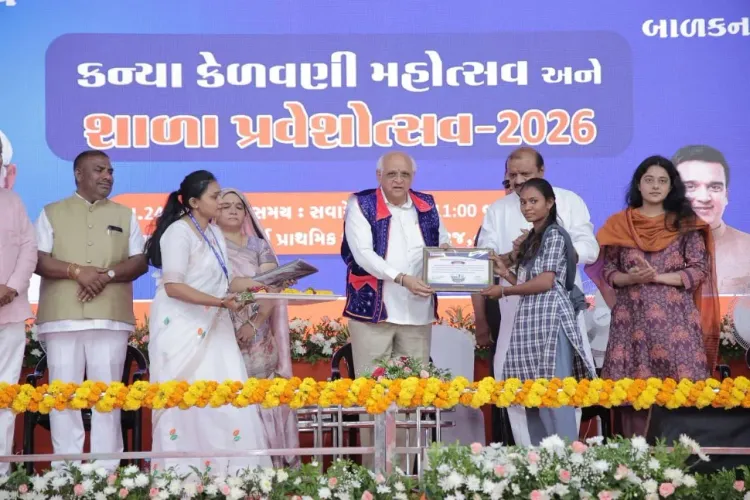
Gujarat Chief Minister Bhupendra Patel on Wednesday, 24 June said tribal students from remote corners of the state are now pursuing science, engineering, and medical education — professional pathways that were largely out of reach a generation ago due to poor educational infrastructure in the region. Patel made the remarks while addressing gatherings in Dahod district on the second day of the 24th 'Shala Praveshotsav' (school enrolment drive).
What Happened at Shala Praveshotsav
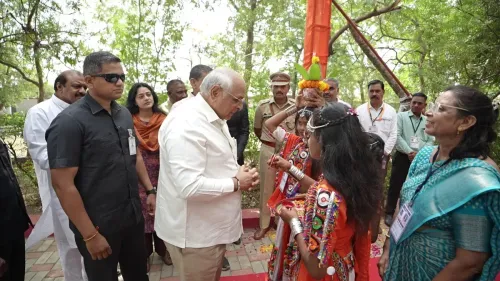
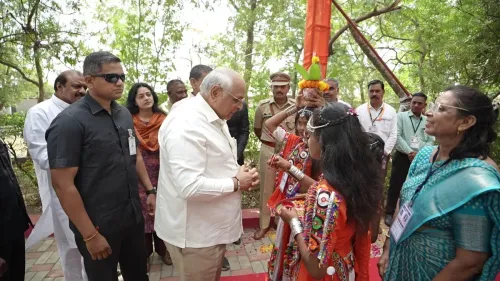
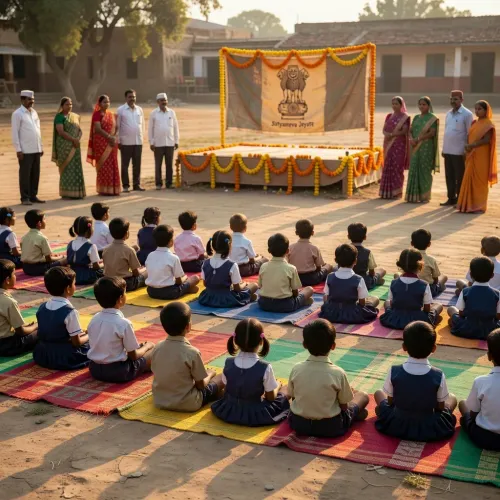
Patel personally enrolled more than 300 children in schools at Moti Kharaj, Rahadungari, and Gangarda villages. He described the annual enrolment drive — originally launched by Prime Minister Narendra Modi — as having evolved into what he called 'a banyan tree of development in the field of education.' He said children who had entered schools through earlier editions of the drive had since gone on to become doctors, engineers, and pilots.
Infrastructure Push in Tribal Schools
Patel said the state government had invested in modernising school infrastructure across rural and remote regions. According to him, schools have been equipped with smart classrooms, computer laboratories, internet connectivity, and modern science laboratories. He said these upgrades were enabling students from villages and interior areas to engage with contemporary learning methods and compete more effectively. MP Jaswantsinh Bhabhor separately pointed to the construction of a modern English-medium school at Singvad, built at a cost of ₹23 crore, as an example of the infrastructure investment reaching the tribal belt.
Scholarship Expansion and Girls' Education
Patel announced that the income ceiling for scholarship eligibility for tribal students had been raised from ₹2.5 lakh to ₹6 lakh, widening the pool of families that qualify for support. He said girls studying in Classes 9 to 12 can receive assistance of up to ₹50,000 under the Namo Lakshmi Scheme, while students in the science stream in Classes 11 and 12 are eligible for up to ₹50,000 under the Namo Saraswati Scheme. Girls completing Classes 11 and 12 in the science stream can access combined assistance of up to ₹75,000 through multiple schemes, he added. Patel cited the example of three girls from Kharaj village who had reached the national level in rugby as evidence of what he described as expanding opportunities for girls across the tribal belt.
Dropout Recovery and Parental Involvement
Addressing the problem of school dropouts, Patel said officials and education department staff were visiting the homes of children who had left school, identifying the challenges they faced, and encouraging them to return. He appealed to parents to visit schools regularly and discuss their children's progress with teachers. He also advised students to use mobile phones and television constructively and to prioritise studies and educational activities.
Development Context: Migration and Irrigation
Bhabhor said the government was working to reduce labour migration from tribal areas, noting that projects worth more than ₹5,000 crore had received in-principle approval to bring Narmada water to the areas of Bariya, Dhanpur, Garbada, Dahod, and Jhalod. He said the irrigation projects, combined with educational improvements, were expected to help future generations of tribal families become self-reliant. He also credited the Vanbandhu Kalyan Yojana-2 with accelerating development in tribal areas. Patel additionally called for public participation in rainwater harvesting under the 'Catch the Rain' campaign and in the 'Ek Ped Maa Ke Naam' plantation drive, planting a sapling on school premises during the visit.
Point of View
And enrolment numbers are no longer the hard part — retention and quality outcomes are. Raising the scholarship income ceiling to ₹6 lakh is a meaningful step, but the gap between school enrolment and professional-course completion in tribal belts remains wide and is not addressed by infrastructure alone. The rugby success story from Kharaj village is compelling symbolism, but the larger question is whether the pipeline from smart classrooms in Dahod to medical and engineering colleges has the counselling, hostel, and financial support to hold. The ₹5,000 crore Narmada irrigation push is the more structurally significant announcement — if it reduces distress migration, it removes one of the biggest reasons tribal families pull children out of school.
NationPress
23 Sept 2026
Frequently Asked Questions
What is the Shala Praveshotsav and why is it held?
Shala Praveshotsav is an annual school enrolment drive held in Gujarat to bring children — particularly from tribal and rural communities — into the formal education system. The 24th edition is under way in 2025, with Chief Minister Bhupendra Patel personally enrolling children in schools across Dahod district.
What scholarship changes did CM Patel announce for tribal students?
The income ceiling for scholarship eligibility for tribal students has been raised from ₹2.5 lakh to ₹6 lakh, allowing more families to qualify. Girls in Classes 9 to 12 can receive up to ₹50,000 under the Namo Lakshmi Scheme, and science-stream girls in Classes 11 and 12 can access combined assistance of up to ₹75,000 through multiple state schemes.
How many children did CM Patel enrol during his Dahod visit?
Chief Minister Bhupendra Patel enrolled more than 300 children in schools at Moti Kharaj, Rahadungari, and Gangarda villages in Dahod district on 24 June, the second day of the 24th Shala Praveshotsav.
What infrastructure investments have been made in Gujarat tribal schools?
According to Patel, schools in rural and tribal areas have been equipped with smart classrooms, computer laboratories, internet connectivity, and science laboratories. MP Jaswantsinh Bhabhor cited a new English-medium school at Singvad, built at a cost of ₹23 crore, as a flagship example.
How is the government addressing labour migration from tribal areas in Gujarat?
Irrigation projects worth more than ₹5,000 crore have received in-principle approval to bring Narmada water to Bariya, Dhanpur, Garbada, Dahod, and Jhalod. Officials say the projects, combined with educational improvements, are intended to reduce distress migration and help tribal families become self-reliant.