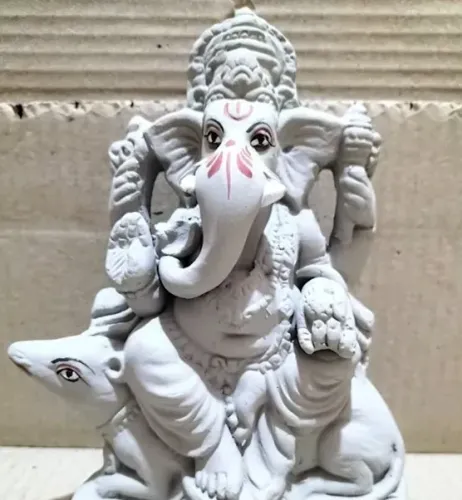
Gujarat's Mati Murti Mela 2026: 23,542 clay Ganesh idols sold, artisans earn ₹5 crore
Synopsis
Gujarat's state-backed Mati Murti Mela sold over 23,500 eco-friendly clay Ganesh idols in just seven days, handing 361 artisans a combined ₹5 crore — the clearest evidence yet that a decade of government incentives is successfully shifting the state away from environmentally damaging POP idols.
Key Takeaways
The Mati Murti Mela 2026 ran from 8 to 14 September 2026 across five venues in Ahmedabad , Vadodara , and Surat .
23,542 eco-friendly clay Ganesh idols were sold, generating approximately ₹5 crore for 361 registered artisans .
Ahmedabad Haat, Vastrapur led with sales of over ₹1.91 crore ; Adajan, Surat recorded the highest volume at 7,920 idols .
The state supplied 186 tonnes of ready-to-use clay and provided stalls free of cost under a 100% subsidy .
More than 84,500 students from 302 schools across 10 districts took part in clay idol-making demonstrations.
The scheme was launched in 2015-16 after 90% of Gujarat's Ganesh idols were found to be made from ecologically harmful Plaster of Paris .
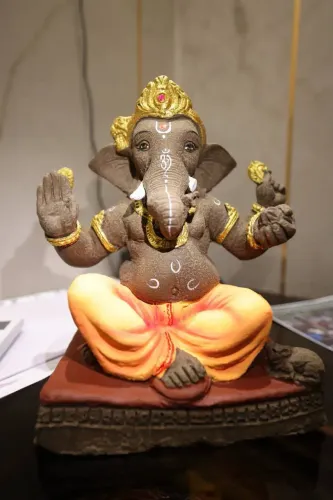
More than 23,542 eco-friendly clay Ganesh idols were sold across Gujarat during the seven-day Mati Murti Mela 2026, generating approximately ₹5 crore in revenue for 361 registered artisans, the Gujarat Matikam Kalakari and Rural Technology Institute announced on Monday, 21 September 2026. The state-backed fair, held from 8 to 14 September, underscores a decade-long push to replace ecologically harmful Plaster of Paris (POP) idols with biodegradable clay alternatives ahead of Ganeshotsav.
Fair Footprint and Venue-wise Sales
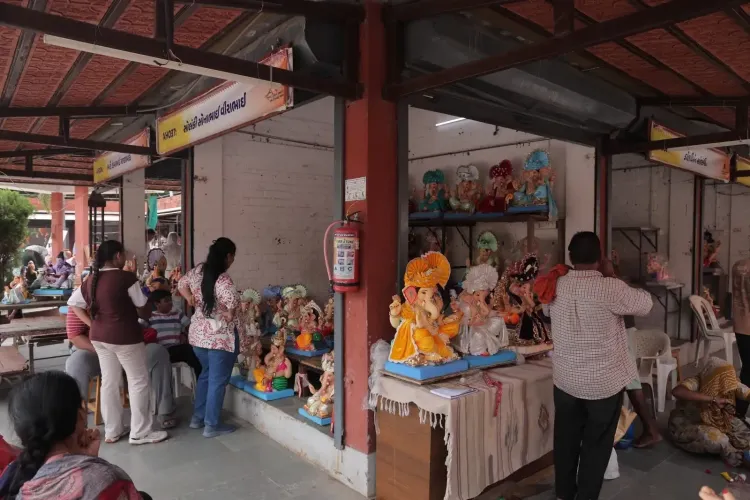
The Mati Murti Mela 2026, organised by the Institute under the Cottage and Rural Industries Department, was spread across five locations in Ahmedabad, Vadodara, and Surat. Ahmedabad Haat in Vastrapur led all venues with sales exceeding ₹1.91 crore, while Adajan in Surat recorded the highest volume — 7,920 idols sold — contributing over ₹1.11 crore.
At Parsi Agiyari Maidan in Vadodara, 79 stalls clocked sales of ₹85.77 lakh. The Sabarmati Riverfront in Ahmedabad saw 124 stalls register ₹77.99 lakh in sales, while Bopal Hastkala Haat, also in Ahmedabad, recorded ₹32.55 lakh across 30 stalls.
State Support: Clay, Subsidies, and Stalls
The Gujarat government supplied 186 tonnes of ready-to-use clay to participating artisans and provided sales stalls free of cost under a 100 per cent subsidy. Under the broader Incentive Scheme for Clay Idol Makers — introduced in 2015-16 — registered artisans also receive clay at a 50 per cent subsidised rate and a daily fair assistance of ₹1,000.
This institutional backing is part of a structural shift: according to the state government, around 90 per cent of Ganesh idols in Gujarat were made from POP as recently as 2014-15. POP does not dissolve in water and can harm aquatic ecosystems and water sources — a concern that prompted the incentive scheme a decade ago.
Education and Livelihood Impact
Beyond commerce, the fair carried a significant educational dimension. More than 84,500 students from 302 schools across 10 districts participated in live clay idol-making demonstrations and DIY activities, organised under the National Education Policy framework to build awareness about environmental issues.
The programme also created livelihood opportunities for women from artisan families involved in making and decorating idols at home — an inclusion element the Institute highlighted as integral to the scheme's expanded mandate.
What Comes Next
The Institute stated that the scheme has grown well beyond direct financial assistance, now positioning itself as a vehicle for sustaining traditional craft skills alongside environmental protection. The government has indicated it plans to continue such fairs in future years, framing the effort within its broader 'Aatmanirbhar Gujarat to Aatmanirbhar Bharat' objective. With POP use reportedly in decline since 2015, the trajectory points toward clay becoming the dominant material for Ganeshotsav idols across the state.
Point of View
But the more significant data point is behavioural: in 2014-15, nine in ten Ganesh idols in Gujarat were made from POP; today the state government claims that share has been meaningfully reduced, largely through financial nudges rather than outright bans. That model — subsidised clay, free stalls, daily stipends — is replicable and worth examining for other states where POP still dominates Ganeshotsav. The inclusion of 84,500 schoolchildren in DIY clay sessions signals a longer play: changing consumption habits at the source. The missing metric, however, is the actual current POP share — without a baseline number post-2026, the 'reduction' claim remains unverified.
NationPress
21 Sept 2026
Frequently Asked Questions
What is the Mati Murti Mela 2026 in Gujarat?
The Mati Murti Mela 2026 is a seven-day state-supported fair organised by the Gujarat Matikam Kalakari and Rural Technology Institute under the Cottage and Rural Industries Department, held from 8 to 14 September 2026. It provides registered clay artisans with free stalls, subsidised clay, and a daily stipend to sell eco-friendly Ganesh idols as an alternative to Plaster of Paris idols during Ganeshotsav.
How many clay Ganesh idols were sold and how much revenue was generated?
A total of 23,542 clay Ganesh idols were sold across five venues in Ahmedabad, Vadodara, and Surat, generating approximately ₹5 crore in revenue for 361 registered artisans. Ahmedabad Haat in Vastrapur recorded the highest sales at over ₹1.91 crore.
Why is Gujarat promoting clay Ganesh idols over Plaster of Paris ones?
Plaster of Paris does not dissolve in water and can harm aquatic life and water sources when immersed during Ganesh Visarjan. The state government introduced its Incentive Scheme for Clay Idol Makers in 2015-16 after finding that around 90 per cent of Ganesh idols in Gujarat were made from POP as of 2014-15.
What support does the Gujarat government provide to clay artisans under this scheme?
Under the scheme, registered artisans receive 186 tonnes of ready-to-use clay at a 50 per cent subsidised rate, free sales stalls under a 100 per cent subsidy, and a daily fair assistance of ₹1,000. The state also organises the fair infrastructure and venues at no cost to the artisans.
How were students involved in the Mati Murti Mela 2026?
More than 84,500 students from 302 schools across 10 districts participated in live clay idol-making demonstrations and DIY activities during the fair. The activities were organised under the National Education Policy framework to promote environmental awareness.