Gujarat upgrades 20 roads with green tech in ₹1,147 crore push
Synopsis
Gujarat is not just building roads — it is rethinking how they are built. A ₹1,147 crore programme covering 20 corridors in 15 districts deploys in-situ recycling, SAMI layers, white topping, and waste plastic asphalt to cut fresh aggregate use and emissions. The ₹50 crore Jambusar-Tankali-Deola stretch alone signals the state's intent to tie green engineering directly to industrial logistics.
Key Takeaways
Gujarat has launched a ₹1,147 crore green road programme covering 20 roads across 15 districts .
The programme is being implemented under Chief Minister Bhupendra Patel and aligns with national infrastructure priorities.
In-situ recycling of existing road material — using lime stabilisation, cement treatment, and a Stress Absorbing Membrane Interlayer (SAMI) — is central to the approach.
Technologies deployed include white topping , glass grid reinforcement, cold mix asphalt, fly ash, waste plastic blended asphalt, and perpetual pavement designs.
The ₹50 crore Jambusar-Tankali-Deola Road in Bharuch connects a pharmaceutical bulk drug park with ONGC facilities, salt farms, and coastal aquaculture zones.
Officials say the programme will reduce reliance on virgin aggregates, lower transportation emissions, and extend road service life.
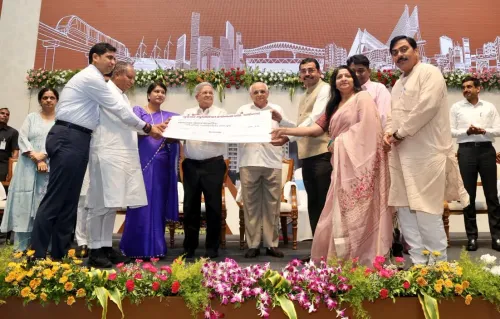
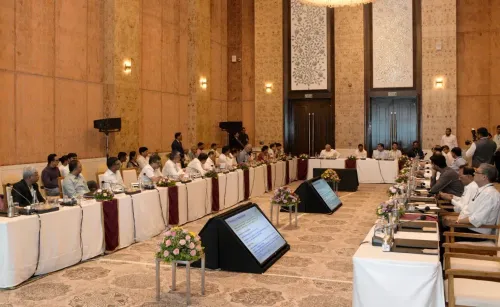
Gujarat is set to transform its road network through a ₹1,147 crore green construction programme covering 20 roads across 15 districts, with work commencing across corridors that span the length and breadth of the state. The initiative, announced on 23 May from Gandhinagar, prioritises climate-resilient engineering, large-scale reuse of existing road material, and advanced stabilisation techniques to extend pavement life while cutting costs and emissions.
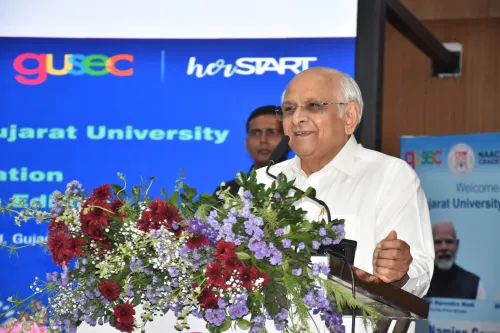
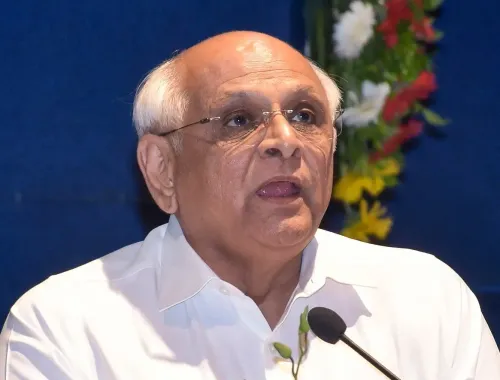
The programme is being implemented under the leadership of Chief Minister Bhupendra Patel as part of Gujarat's infrastructure development agenda aligned with national development priorities.
Districts and Key Corridors Covered
The 20 projects span districts including Patan, Gir Somnath, Mahisagar, Bharuch, Morbi, Surendranagar, Surat, Vadodara, Chhota Udepur, Anand, Mehsana, Kutch, Bhavnagar, Jamnagar, and Narmada.
Key corridors include the Lanwa-Manund-Sander-Balisana and Radhanpur-Mashali-Madhapura stretches in Patan, the Bhidiya Somnath Road in Gir Somnath, the Santrampur-Jalod Road in Mahisagar, the Dindoli-Karadwa-Iklera Road in Surat, and the Luni-Gundala-Patri-Tappar-Babiya Road in Kutch, among others.
Among the approved projects is the ₹50 crore reconstruction of the Jambusar-Tankali-Deola Road in Bharuch district. According to officials, the corridor is of industrial and logistical significance, connecting a pharmaceutical bulk drug park near Jambusar with ONGC facilities, salt farming areas near Deola, and coastal aquaculture zones. Officials described it as 'significant for industrial mobility and regional economic integration.'
Green Construction Methods at the Core
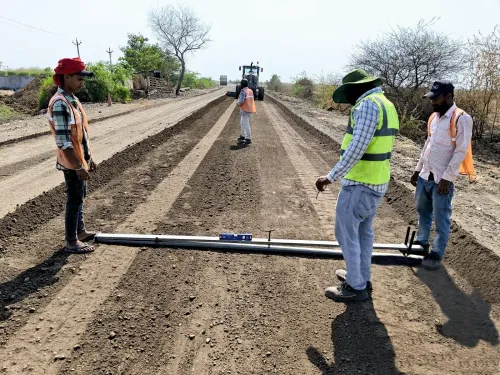
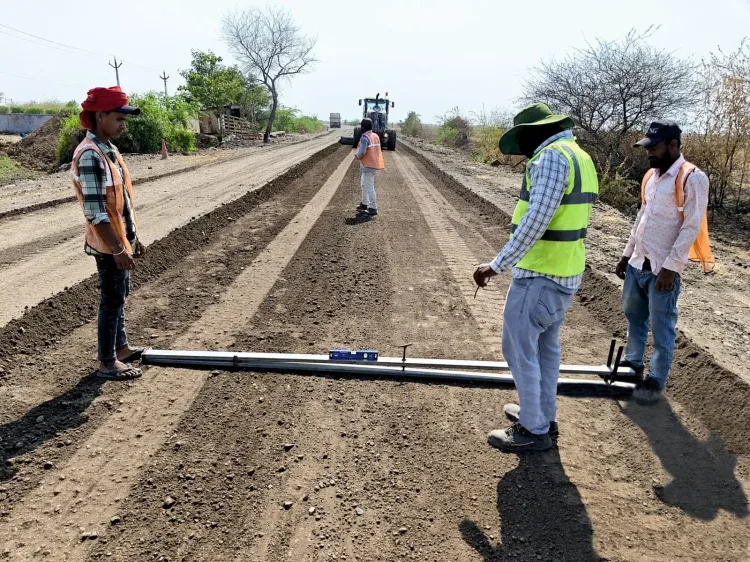
A defining feature of the programme is the reuse of existing road material through in-situ recycling. The process involves excavating existing road layers, stabilising them with lime and mechanical pulverisation, and then recompacting the reclaimed material with cement treatment and chemical stabilisation on-site.
After levelling and consolidation, a curing period of approximately seven days is observed before the application of a Stress Absorbing Membrane Interlayer (SAMI) — a fibre-based protective layer designed to reduce cracking and distribute vehicular load more effectively. Officials said this approach is intended to reduce dependency on fresh aggregates and lower transportation-related emissions.
Advanced Technologies Being Deployed
Depending on traffic intensity and ground conditions, the projects will deploy a range of engineering interventions. These include white topping over existing bituminous roads, glass grid reinforcement, geogrid systems, cold mix asphalt suited for all-weather and monsoon operations, cement stabilisation of sub-base layers, fly ash from thermal power plants, interlocking concrete paver blocks, segmented concrete panel construction, and perpetual pavement designs for long-term durability.
Waste plastic blended with asphalt is also among the approved materials. Officials stated that the selection of technology for each stretch would be 'site-specific, based on load requirements and long-term maintenance considerations.'
Scope of Civil Works
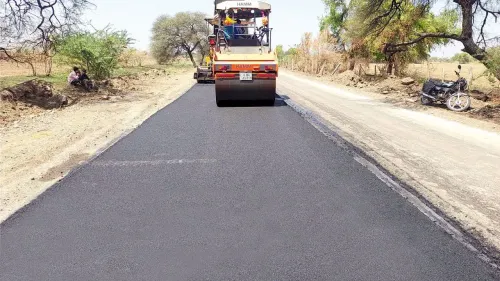
Physical works will include widening, resurfacing, four-laning on selected stretches, construction of RCC gutter lines, side shoulders, earthworks, installation of road furniture, rumble strips, and protective structures. Officials noted that reduced maintenance frequency is a key expected outcome, with improved pavement resilience contributing to a longer service life under increasing traffic loads and changing climatic conditions.
What This Means for Gujarat's Infrastructure
The programme represents a structural shift in how Gujarat procures road infrastructure — moving away from conventional aggregate-intensive construction toward resource-efficient, sustainability-oriented engineering. Officials said the combined use of these technologies is expected to reduce reliance on virgin raw materials and improve resource efficiency across the project lifecycle.
With work now commencing, the pace of execution across all 15 districts will be closely watched as a test of whether green road construction can be scaled credibly at the state level.
Point of View
147 crore programme is notable not just for its scale but for its method: in-situ recycling and SAMI application represent a genuine departure from the aggregate-heavy model that has dominated Indian state road construction for decades. The real question is execution fidelity — green road technologies are site-sensitive, and quality outcomes depend heavily on supervision and material testing at each of the 20 corridors. If the Jambusar-Tankali-Deola corridor delivers on its industrial connectivity promise, it could become a replicable template for linking sustainability mandates with economic infrastructure. But India has a long record of announcing innovative construction methods that revert to conventional practice under contractor and timeline pressure. Independent third-party monitoring of material reuse ratios and pavement performance data will determine whether this is a policy shift or a procurement rebranding.
NationPress
21 Oct 2026
Frequently Asked Questions
What is Gujarat's ₹1,147 crore green road programme?
It is a state infrastructure initiative covering 20 road projects across 15 districts in Gujarat, using green construction techniques such as in-situ material recycling, SAMI layers, white topping, and waste plastic asphalt to improve durability and reduce costs. The programme is being implemented under Chief Minister Bhupendra Patel.
Which districts are covered under the Gujarat green road programme?
The programme spans 15 districts: Patan, Gir Somnath, Mahisagar, Bharuch, Morbi, Surendranagar, Surat, Vadodara, Chhota Udepur, Anand, Mehsana, Kutch, Bhavnagar, Jamnagar, and Narmada. Each district has one or more specific road corridors identified for upgrade.
What is the Stress Absorbing Membrane Interlayer (SAMI) used in this programme?
SAMI is a fibre-based protective layer applied over compacted and cured road surfaces to reduce cracking and distribute vehicular load more effectively. In this programme, it is applied after a curing period of approximately seven days following in-situ stabilisation of recycled road material.
Why is the Jambusar-Tankali-Deola Road significant?
The ₹50 crore Jambusar-Tankali-Deola Road in Bharuch district connects a pharmaceutical bulk drug park near Jambusar with ONGC facilities, salt farming areas near Deola, and coastal aquaculture zones. Officials have described it as significant for industrial mobility and regional economic integration, with improved access to rail, air, and expressway networks.
How does the green construction method reduce environmental impact?
The approach recycles existing road layers on-site through lime stabilisation, mechanical pulverisation, and cement treatment, reducing the need for fresh aggregates and cutting transportation-related emissions. Additional techniques such as fly ash utilisation and waste plastic blended asphalt further reduce reliance on virgin raw materials.