FairPoint: What Happens When the State Informs Your Parents?
Synopsis
In a heated debate reminiscent of an AI Summit protest, two senior journalists clash over a controversial Gujarat proposal mandating parental notification for adult marriages. This amendment sparks discussions on tradition versus personal freedom, reflecting societal divides on generational autonomy and family values.
Key Takeaways
The amendment mandates parental notification if adult children apply for marriage registration.
A 30-day waiting period is proposed before the marriage certificate is issued.
The initiative seeks to safeguard parental sentiments and rights.
Public opinion is divided on the implications for personal freedom.
Technological advancements will facilitate real-time notifications to parents.
New Delhi, Feb 22 (NationPress) An unexpected confrontation unfolded between two composed senior women professionals in their fifties, cutting through the hustle of the vibrant newsroom. This debate rivaled the dramatic flash protest by Youth Congress workers at the AI Summit.
While the newsroom buzzed with coverage of the summit on February 20, a quiet yet significant story emerged from Gujarat. The state government has put forth a proposal to amend the Gujarat Registration of Marriages Act, 2006, featuring a notable element that sparked considerable discourse.
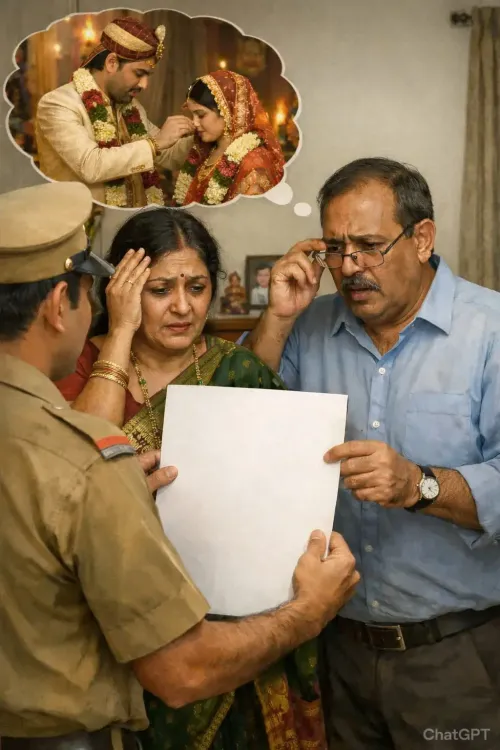
This proposal requires a "declaration" from both the bride and groom, confirming whether their parents are informed about the marriage.
This declaration is not merely a formality; the Assistant Registrar will inform the parents of both parties within ten working days using the contact information provided in the application.
Moreover, a mandatory 30-day interval has been suggested between the application submission and the issuance of the marriage certificate. During this period, details such as wedding photographs and witness information would be uploaded to a centralized state government portal.
The government is also developing a digital system to provide immediate notifications to parents via WhatsApp and SMS when a couple registers for marriage.
The government argues this initiative safeguards parental sentiments and protects the rights of all parties involved. However, opinions are deeply divided on the ground, mirroring the heated discussion between the two journalists. One journalist backed the proposal to involve parents, while the other contended that it would infringe upon personal freedom.
"What is this discourse about freedom?" one questioned. "Shouldn't parents be aware of their children's decisions? We are Indians; family values are integral to our culture."
Her colleague vehemently disagreed. "This is a step backward. It restricts individual freedom. Have we forgotten about honour killings? Adults should make their own choices."
"Parents have the right to know," insisted the first journalist. "Our traditions have survived for centuries. Why adopt foreign concepts of individualism?"
"That sounds dangerously inflexible," the other countered, raising her voice slightly. "Young individuals must have the autonomy to choose their partners. We know how controlling families can be. This isn't solely about culture — it's about independence."
As the intensity of the discussion increased, the two decided to pause, as news of the Youth Congress protest began to escalate.
Reportedly spurred by party leaders, Youth Congress workers faced backlash from attendees who disapproved of their protest. Footage captured scuffles as visitors urged them to cease what they deemed disruptive antics. By the time security intervened, the protesters' clothing was torn, and their earlier defiance had shifted to evident disappointment. Walking slowly in their tattered garments, they appeared stunned by the unfolding events.
For the moment, the striking visuals from the summit overshadowed the proposed amendment. Yet, the implications of the adjustments to the Gujarat marriage law could have lasting effects.
At its heart lies a sensitive question: Do parents have the right to be notified if their adult children marry against their wishes? The topic is emotionally charged, often blurring the lines between tradition, personal liberty, societal pressure, and safety. As evidenced by the newsroom debate, public sentiment appears sharply divided.
When the Gujarat government presented the proposal in the Assembly on February 20, it may not have anticipated the coinciding dramatic political protests. Nevertheless, the initiative has ignited broader discussions surrounding inter-caste marriages, generational shifts, personal choice, and concerns over love jihad. The Gujarat government even referenced this latter topic, which has stirred sentiments among Hindus in the state.
"Under the guise of love jihad, a game is being played in the state," remarked Gujarat Deputy Chief Minister Harsh Sanghavi in the Assembly, adding that "a strong protection must be established for young girls," and warned that "if any Salim alters his identity to deceive innocent girls, he will face consequences."
Given the motivations behind the proposed amendments, a national debate is inevitable. This matter impacts families across various social strata and directly concerns a generation, particularly Gen Z, which highly values independence and self-determination.
The amendment aims to institutionalize transparency and parental involvement. Whether Gen Z — and future generations — will accept such oversight remains uncertain. The government has initiated a 30-day public feedback period, and the forthcoming weeks may reveal how strongly society feels about this issue.
In the newsroom, the two journalists continue to observe closely. Beyond the headlines and protests, the true narrative may unfold in homes, conversations, and choices yet to be made. If enacted, Gujarat's initiative could influence similar discussions in other states and test how India reconciles tradition with evolving notions of individual freedom.
(Deepika Bhan can be contacted at deepika.b@ians.in)
Point of View
I believe that while tradition holds importance in our culture, we must also respect the autonomy of individuals to make their own choices. The proposed amendment raises crucial questions about the balance between family values and personal freedom, reflecting the evolving dynamics of society. It's essential that we engage in open dialogue to navigate these changes thoughtfully and with sensitivity.
NationPress
20 Sept 2026
Frequently Asked Questions
What is the Gujarat Registration of Marriages Act amendment about?
The amendment proposes that both the bride and groom declare whether their parents are informed about their marriage, with a system for notifying parents within ten working days.
Why is there controversy surrounding this proposal?
The proposal has sparked debate over individual freedom versus parental involvement, with opinions divided on whether it protects family values or restricts personal choice.
What is the role of technology in this amendment?
The government plans to implement a digital system for immediate notifications to parents via WhatsApp and SMS when a couple applies for marriage registration.
How has public reaction been to this proposal?
Public opinion is sharply divided, with some supporting parental involvement and others arguing it infringes on individual autonomy.
What are the potential implications of this amendment?
If enacted, the amendment could influence marriage practices across India and shape future discussions about tradition and personal freedom.