Gujarat's UCC Bill: Live-in Relationships and Equal Rights
Synopsis
In a landmark move, the Gujarat government introduces mandatory live-in relationship registrations and ensures equal inheritance rights for all children. This framework under the Uniform Civil Code Bill, 2026, aims to empower women and promote gender equality, aligning with national commitments to justice and unity.
Key Takeaways
Mandatory registration of live-in relationships is now required in Gujarat.
Equal inheritance rights for both sons and daughters are established.
Strict penalties for non-compliance and forced consent.
Legal recognition for children born from live-in relationships.
Legislation aims to promote gender equality and protect women's rights.
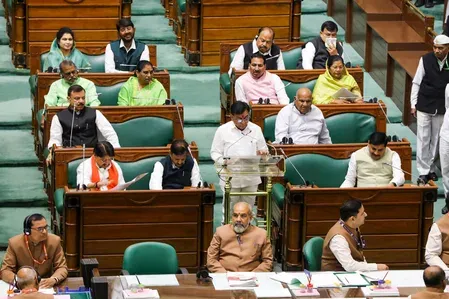
Gandhinagar, March 27 (NationPress) The Gujarat government's newly introduced framework under the Uniform Civil Code Bill, 2026, mandates the registration of live-in relationships along with granting equal inheritance rights to both sons and daughters.
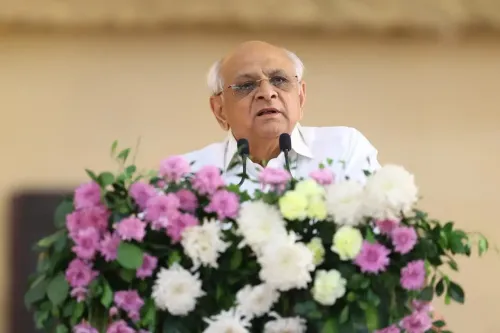
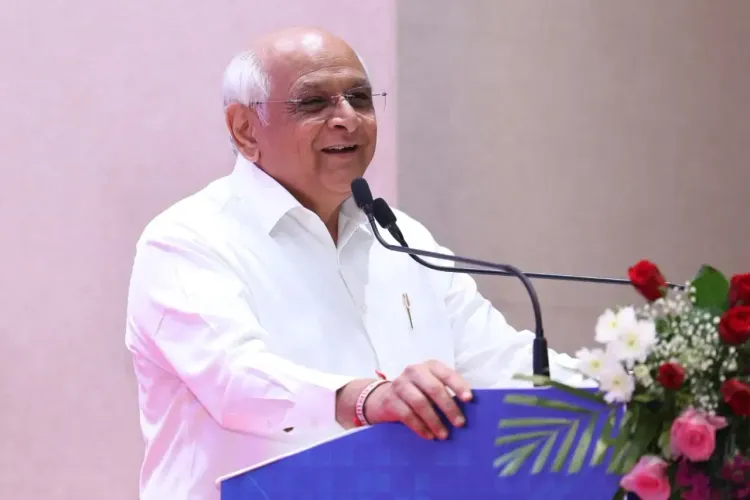
Chief Minister Bhupendra Patel emphasized that these regulations aim to enhance legal safeguards for women.
The bill, which was approved earlier this week in the state Legislative Assembly, stipulates that all live-in relationships must be registered. Failure to comply could lead to a sentence of up to three months in prison or a fine of ₹10,000.
For individuals in such relationships aged between 18 and 21, their parents will be notified regarding the registration.
The legislation details strict repercussions for instances where consent is gained through coercion, intimidation, or deceit, and includes provisions under the Protection of Children from Sexual Offences Act (POCSO) for cases involving minors.
There are also penalties for individuals who engage in live-in relationships while already married.
The new framework entitles women in live-in situations to maintenance in cases of desertion, while children born from these relationships will receive legal recognition, including rights to identity, maintenance, and inheritance.
The government believes that mandatory registration will regulate these relationships and protect the rights of women and children.
The bill also proposes a standardized structure for marriage, divorce, and inheritance laws. Marriages must be registered within 60 days, with penalties reaching up to ₹10,000 for non-compliance.
Marriages conducted under duress, coercion, or fraud, as well as instances of polygamy, could result in prison sentences of up to seven years.
The government asserts that compulsory registration will provide legal recognition and help verify marital statuses, thus minimizing fraud.
Divorce proceedings must go through the courts and be registered; any divorces executed outside this legal framework will be considered invalid.
Violations may lead to sentences of up to three years in prison.
The provisions also permit women to remarry unconditionally after a legally recognized divorce.
The government believes these steps will deter fraudulent separations, illegal divorces, and misrepresentation of marital statuses while ensuring clarity in future marriages.
This legislation introduces uniform maintenance regulations across all religions and grants equal inheritance rights to both sons and daughters.
The government stated this initiative would foster gender equality, enhance women's economic security, and ensure a fairer family structure.
While presenting the bill, Chief Minister Patel expressed that this measure embodies a broader commitment to equality.
“This is not simply a legal procedure but a resolute effort to reinforce our national commitment to equality, justice, and unity under the leadership of the Prime Minister,” he remarked.
He highlighted, “Prime Minister Narendra Modi has envisioned ‘Ek Bharat Shreshtha Bharat’ to fulfill Sardar Patel's dream of a united and indivisible India. This ‘Ek Bharat Shreshtha Bharat’ is the essence of the Uniform Civil Code. Without equal laws and opportunities for development in our nation, this goal cannot be realized.”
The government stated that the bill was crafted after thorough analysis of existing Indian laws, including the Hindu Marriage Act, the Special Marriage Act, and the Indian Succession Act, alongside judgments from the Supreme Court and High Courts.
Among the notable cases reviewed were Mohammed Ahmed Khan v. Shah Bano Begum (1985), Sarla Mudgal v. Union of India (1995), Shayara Bano v. Union of India (2017), and Shabnam Hashmi v. Union of India (2014).
Additionally, the framework draws from the Uniform Civil Code established in Uttarakhand and similar legal systems from other nations, such as the French Civil Code, the German Bürgerliches Gesetzbuch, and the Turkish Civil Code.
Officials clarified that the legislation aims to regulate civil legal aspects without interfering with religious customs and traditions.
Point of View
It's evident that the Gujarat government's recent legislation under the Uniform Civil Code Bill, 2026, reflects a strong commitment to gender equality and legal protection for women. By mandating the registration of live-in relationships and ensuring equal inheritance rights, the government aims to create a more equitable society, addressing long-standing issues of discrimination and legal ambiguity.
NationPress
19 Sept 2026
Frequently Asked Questions
What is the Uniform Civil Code Bill, 2026?
The Uniform Civil Code Bill, 2026, introduced by the Gujarat government, aims to standardize laws regarding marriage, divorce, and inheritance across all religions, ensuring equal rights for all citizens.
What are the penalties for not registering a live-in relationship?
Failure to register a live-in relationship could lead to a maximum of three months' imprisonment or a fine of ₹10,000.
Are there protections for women in live-in relationships?
Yes, the bill entitles women in live-in relationships to maintenance in cases of abandonment and grants legal recognition and rights to children born from such relationships.
Will the new laws affect religious practices?
The legislation is designed to regulate civil legal aspects without interfering with religious rituals and traditions.
How does this bill promote gender equality?
By ensuring equal inheritance rights for sons and daughters and providing legal protections for women, the bill seeks to address gender disparities and promote fairness in family structures.