Gujarat Legislative Assembly Approves Historic UCC Bill 2026

Synopsis
In a groundbreaking move, the Gujarat Legislative Assembly has passed the Uniform Civil Code Bill 2026, paving the way for a unified legal structure in civil matters. This legislation aims to ensure equality across communities and religions, significantly impacting marriage, divorce, maintenance, and inheritance rights.
Key Takeaways
Unified Legal Framework: The UCC Bill creates a common legal structure for civil matters.
Mandatory Registration: All marriages and divorces must be registered.
Equal Rights: Women gain equal inheritance rights.
Protection Against Fraud: The Bill includes punitive measures against fraud in marriage.
Exemptions for Tribes: Scheduled Tribes are exempt from the Code.
Gandhinagar, March 24 (NationPress) The Gujarat Legislative Assembly successfully approved the Uniform Civil Code (UCC) Bill 2026, creating a unified legal structure for civil issues such as marriage, divorce, maintenance, and inheritance that transcends community and religious boundaries.
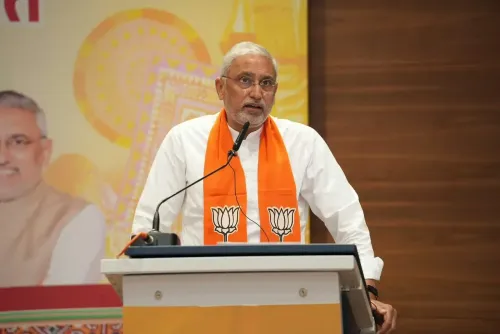
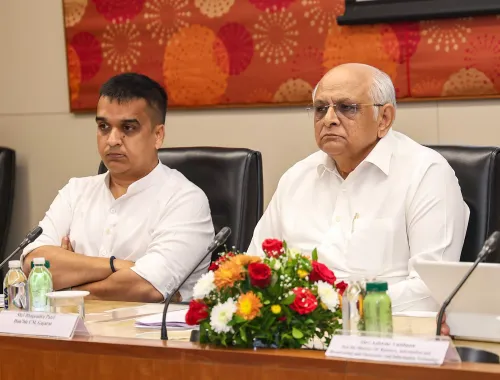
Deputy Chief Minister Harsh Sanghavi termed this milestone as "historic," asserting that the legislation was enacted under the guidance of Chief Minister Bhupendra Patel.
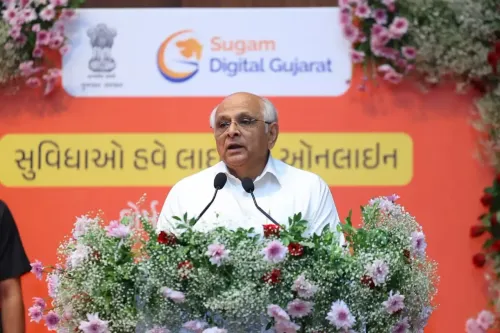
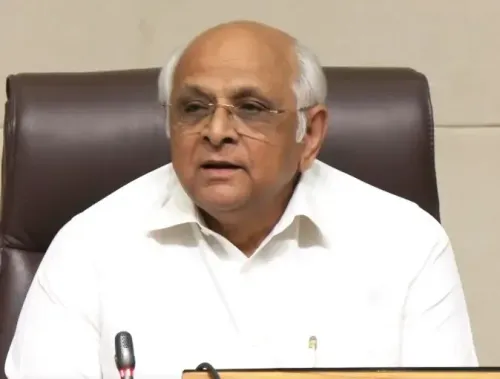
“With Chief Minister Bhupendra Patel at the helm, the government has successfully passed the UCC in the Assembly,” Sanghavi remarked following the Bill's approval.
“No citizen stands above the law. No individual is beneath it. Equal Gujarat. Empowered Gujarat,” he further emphasized.
The state government clarified that this legislation is intended to ensure legal equality and rectify disparities caused by religion-specific personal laws.
It reiterated that the Code pertains solely to civil issues and does not intrude upon religious customs or practices.
During the Assembly discussions, Sanghavi pointed out that while criminal laws in India apply uniformly, civil rights concerning marriage, divorce, and property have historically varied across religions.
This Bill aims to eliminate such discrepancies and create a uniform legal framework.
The legislation mandates the compulsory registration of marriages and divorces, along with establishing standardized grounds and procedures for divorce across various communities.
Extra-judicial divorce forms are banned, enforcing court-based legal processes as mandatory.
The Bill also enforces monogamy and includes clauses to invalidate marriages where identity has been concealed.
It introduces punitive measures for instances of fraud, coercion, or misrepresentation in marriage, specifying penalties for such offenses.
The law guarantees maintenance rights for women unfettered by personal law constraints and ensures equal inheritance rights for both daughters and wives.
Additionally, the Bill contains provisions that require the registration of live-in relationships with local authorities, which the government stated is designed to provide legal protections and accountability.
The government has assured that Scheduled Tribes will be exempt from the Code’s provisions, maintaining their marriage, divorce, and inheritance customs as per constitutional protections.
Insights from a public consultation led by retired Supreme Court Justice Ranjana Desai revealed that approximately 20 lakh suggestions were collected through various mediums, including post, email, and an online portal, with a majority advocating for uniform regulations in marriage, divorce, maintenance, and property rights, as well as mandatory registration of marital events.
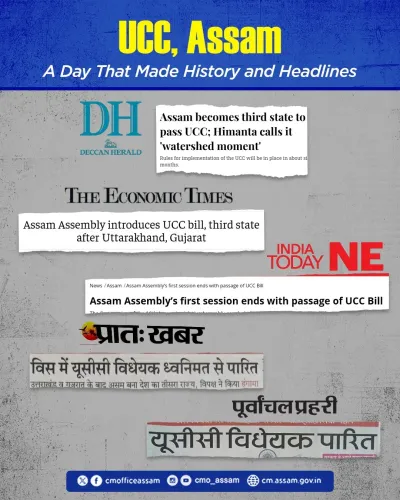
This initiative positions Gujarat alongside other states that have made legislative advancements towards a Uniform Civil Code, following Uttarakhand, while Goa has maintained a longstanding common civil law framework.
The law will come into force after completing the necessary legal formalities.
Point of View
The passage of the UCC Bill 2026 by the Gujarat Legislative Assembly is a pivotal step towards ensuring equality in civil matters. It reflects the government's commitment to addressing disparities and establishing a uniform legal framework, while respecting the diverse cultural and religious practices across communities.
NationPress
22 Sept 2026
Frequently Asked Questions
What is the Uniform Civil Code Bill 2026?
The Uniform Civil Code Bill 2026 aims to create a common legal framework for civil matters like marriage, divorce, maintenance, and inheritance across various communities and religions in Gujarat.
What are the key features of the UCC Bill?
Key features include mandatory registration of marriages and divorces, uniform grounds for divorce, prohibitions on extra-judicial divorce, and equal inheritance rights for women.
Will the UCC affect religious practices?
No, the UCC is designed to address civil matters and does not interfere with religious beliefs or practices.
Are there any exemptions to the UCC?
Yes, Scheduled Tribes will be exempt from the provisions of the UCC as per constitutional safeguards.
When will the UCC Bill come into effect?
The UCC Bill will be implemented after fulfilling the required legal procedures.