MP UCC Bill: Jail, fines for unregistered live-in relationships

Synopsis
Madhya Pradesh's UCC Bill doesn't just recognise live-in relationships — it criminalises failing to register them. With jail terms of up to six months and fines reaching ₹25,000, the state is staking out the most punitive cohabitation framework in India, while also extending inheritance rights to children and maintenance rights to abandoned women.
Key Takeaways
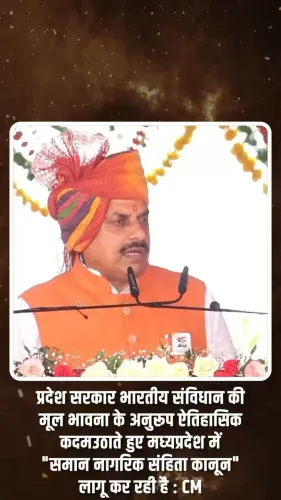
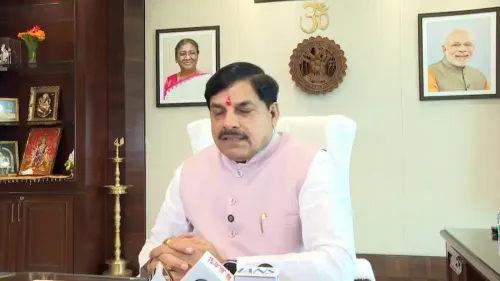
Madhya Pradesh cabinet approved the Uniform Civil Code (UCC) Bill , to be tabled in the next Assembly session per CM Mohan Yadav .
Live-in couples must register with the Registrar within one month ; non-compliance carries up to 3 months jail or a ₹10,000 fine .
False declarations attract up to 3 months imprisonment and a ₹25,000 fine ; ignoring Registrar notices can mean up to 6 months jail and ₹25,000 .
If either partner is under 21 , relationship details will be shared with parents or guardians .
Children of live-in couples will be deemed legitimate with full inheritance rights ; abandoned women can claim maintenance akin to a legally wedded wife.
Registered couple records will be forwarded to the local police station for official oversight.
The Madhya Pradesh cabinet has approved a Uniform Civil Code (UCC) Bill that will impose mandatory registration requirements on live-in couples — backed by imprisonment and fines for non-compliance. Chief Minister Mohan Yadav confirmed the bill will be tabled in the upcoming Assembly session, marking one of the most sweeping attempts by any Indian state to formalise cohabitation under statute.
Key Provisions and Penalties
Under the new law, couples must register their live-in relationship with the designated Registrar within one month of beginning cohabitation. Failure to do so can attract imprisonment of up to three months or a fine of ₹10,000.
The penalties escalate for false declarations. Couples who furnish incorrect information at the time of registration face up to three months in jail and a fine of ₹25,000. Those who ignore official notices from the Registrar and fail to submit required statements could face up to six months of imprisonment and a fine of ₹25,000.
Eligibility Criteria and Oversight
The legislation sets clear eligibility thresholds. Both partners must be at least 18 years old, must not be closely related, and must not be previously married. Notably, if either partner is under 21 years of age, details of the relationship — including its commencement and termination — will be shared with their parents or guardians.
The Registrar is further required to forward records of all registered live-in couples to the local police station, establishing a formal layer of official oversight over private cohabitation arrangements.
Rights of Women and Children
The bill includes significant protective provisions. Children born during a live-in relationship will be recognised as legitimate and entitled to full inheritance rights, removing prior legal ambiguity about their status.
Women have been granted specific safeguards: if a male partner abandons his female partner, she may seek maintenance through a competent court — a right comparable to that of a legally wedded wife. Legal experts note that these provisions could offer meaningful recourse to women in informal partnerships who previously had limited legal standing.
Privacy Concerns and Criticism
Critics argue that mandatory registration and the requirement to notify parents or guardians for partners under 21 constitute an intrusion into private life. Legal observers suggest the provisions will likely face scrutiny on grounds of privacy and personal freedom, potentially inviting constitutional challenges. This comes amid an ongoing national debate over the Centre's own UCC framework, making Madhya Pradesh's move a significant test case for state-level implementation.
What Happens Next
The bill is expected to be tabled in the next Madhya Pradesh Assembly session. Once enacted, it will represent a landmark shift in how live-in relationships are legally treated in the state — balancing social accountability with formal recognition, while placing the compliance burden squarely on couples themselves.
Point of View
The enforcement architecture raises a question mainstream coverage is glossing over — whether criminalising non-registration will deter vulnerable women from seeking the very protections the law claims to offer.
NationPress
18 Oct 2026
Frequently Asked Questions
What does the Madhya Pradesh UCC Bill say about live-in relationships?
The Madhya Pradesh UCC Bill requires live-in couples to register their relationship with a Registrar within one month of beginning cohabitation. Failure to register can result in up to three months in jail or a fine of ₹10,000, with steeper penalties for false declarations or ignoring official notices.
What are the penalties for not registering a live-in relationship under the MP UCC Bill?
Non-registration carries up to three months imprisonment or a ₹10,000 fine. Providing false information at registration can mean three months in jail and a ₹25,000 fine. Ignoring notices from the Registrar can attract up to six months of imprisonment and a ₹25,000 fine.
What rights do women and children get under the MP UCC live-in provisions?
Children born during a live-in relationship will be recognised as legitimate and entitled to full inheritance rights. Women who are abandoned by their male partner can seek maintenance through a competent court, similar to the rights available to a legally wedded wife.
Will parents be notified if their child is in a live-in relationship under the MP UCC Bill?
Yes. If either partner is under 21 years of age, the law requires that details of the relationship's commencement and termination be shared with their parents or guardians. Critics argue this provision intrudes on the privacy of young adults.
When will the Madhya Pradesh UCC Bill become law?
Chief Minister Mohan Yadav has stated the bill will be tabled in the upcoming Madhya Pradesh Assembly session. It has already received cabinet approval, but the exact date of tabling and enactment has not been announced.