CM Haryana Heralds New Era of Industry Under MakeInHaryana
Synopsis
The Chief Minister's Office of Haryana on 2 June 2026 proclaimed a 'new era of industries' in the state via the #MakeInHaryana campaign, signalling a renewed push to attract manufacturing investment to the NCR-adjacent state backed by years of aligned industrial policy.
Key Takeaways
The Chief Minister's Office of Haryana posted a 'new era of industries' declaration on 2 June 2026 under #MakeInHaryana .
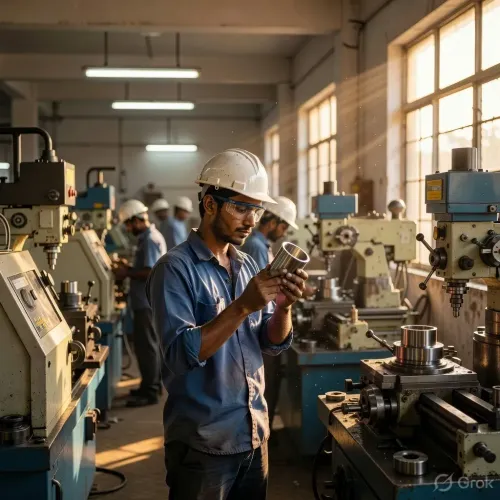
Haryana's industrial strengths include automobiles, auto components, textiles, pharmaceuticals, and light engineering.
The Haryana Industrial Policy 2015 introduced single-window clearance aligned with the national Make in India programme.
Atmanirbhar Bharat and PLI schemes post-2020 extended further incentives to Haryana's industrial clusters.
The state competes with other Indian states for manufacturing FDI, leveraging its strategic proximity to New Delhi .
A follow-up investor summit or updated industrial policy is expected to give concrete shape to the announcement.
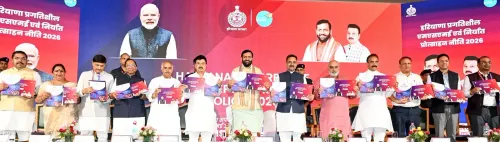
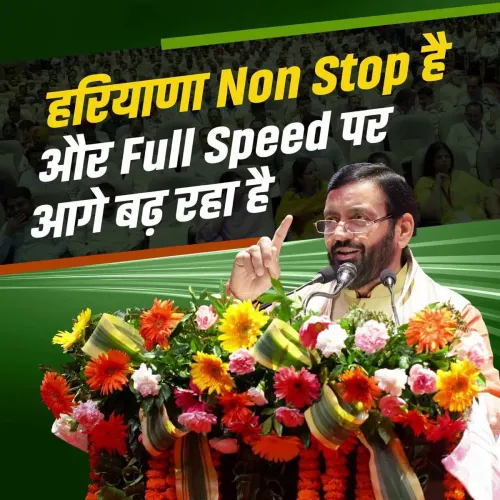
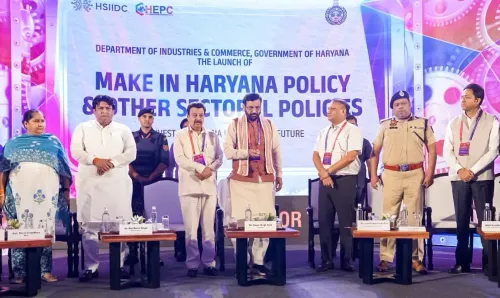
The Chief Minister's Office of Haryana on Tuesday, 2 June 2026 declared the dawn of a new industrial era in the state, posting a bold proclamation on X under the campaign hashtag #MakeInHaryana.
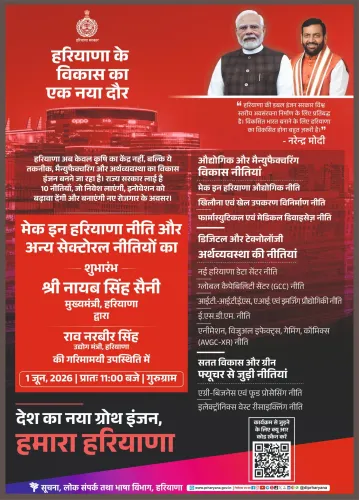
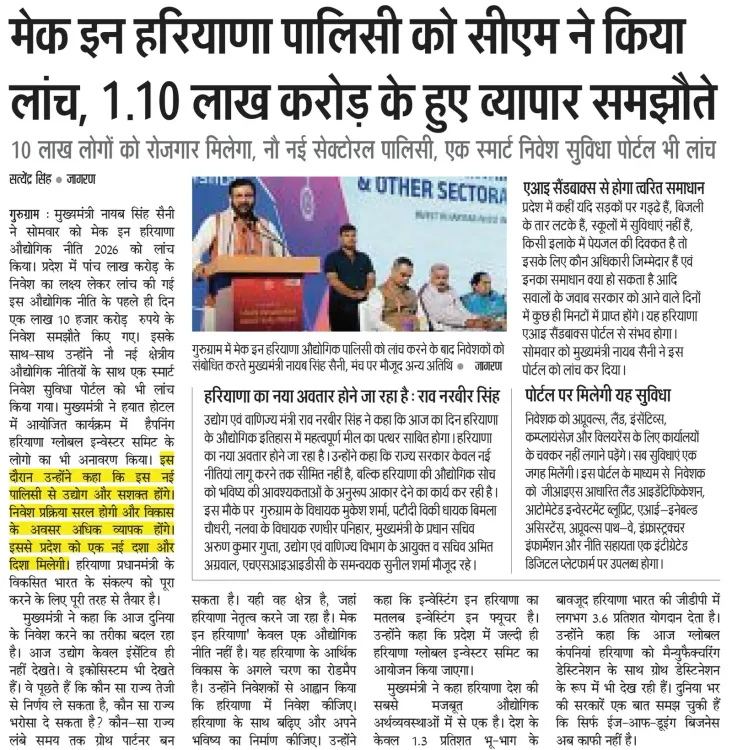
The post, reading 'हरियाणा में उद्योगों का नया युग!' ('A new era of industries in Haryana!'), was accompanied by an image and signals a fresh push by the state government to position Haryana as a premier destination for manufacturing investment.
Context
The #MakeInHaryana campaign is the state's parallel to the national Make in India initiative, launched by the Government of India in September 2014 to attract foreign direct investment and raise the share of manufacturing in GDP. Haryana, which shares a border with Delhi and sits at the heart of the National Capital Region (NCR), has long leveraged its strategic location and existing industrial clusters to court investors.
The state's established strengths span automobiles, auto components, textiles, pharmaceuticals, and light engineering. Its proximity to the capital gives it a logistical edge that few other states can replicate, making it a natural beneficiary of any national-level manufacturing push.
Policy Backdrop
The foundation for this renewed industrial ambition was laid with the Haryana Industrial Policy 2015, which introduced targeted incentives and a single-window clearance mechanism aligned with the Make in India programme. The policy aimed to reduce bureaucratic friction and accelerate project approvals for domestic and foreign investors alike.
The momentum was reinforced after 2020, when the Centre's Atmanirbhar Bharat announcements expanded state-level manufacturing incentives, including Production-Linked Incentive (PLI) schemes applicable to industrial clusters in Haryana. These measures were designed to shift global supply chains toward India in the wake of post-pandemic restructuring.
Stakeholders and Impact
The primary beneficiaries of a sustained MakeInHaryana drive are manufacturing investors — both domestic conglomerates and multinational corporations — alongside the industrial workforce of the NCR region. A stronger investment pipeline translates directly into jobs on the factory floor and in ancillary services.
Indian states have increasingly run parallel Make in India-style campaigns, competing aggressively for investment by offering land banks, tax holidays, and infrastructure support. Haryana's announcement positions it firmly within this competitive landscape, signalling that the state government views industrial growth as a top governance priority in 2026.
What's Next
Observers will watch closely for a follow-up investor conclave, a revised Haryana industrial policy, or fresh land-bank allocations that would give substance to the 'new era' declaration. The government's next concrete step — whether a formal investment summit or a package of sector-specific incentives — will determine how quickly the proclamation translates into on-ground activity.
If the state follows through with measurable policy announcements, Haryana could consolidate its position as one of India's top-three manufacturing destinations, building on the momentum of national schemes and its unmatched proximity to New Delhi.
Point of View
Image-led social post to announce a 'new era' reflects how state governments now use digital platforms as the first channel for economic signalling, ahead of formal policy releases. The #MakeInHaryana hashtag is a deliberate echo of the Centre's Make in India brand, positioning the state as an eager partner — and competitor — in India's manufacturing ambitions. Coming in mid-2026, the declaration likely presages a formal investor event or policy revision, as states routinely use such posts to build narrative momentum before substantive announcements. The broader arc points to intensifying inter-state competition for post-China supply-chain relocation, where Haryana's NCR proximity remains its strongest card.
NationPress
19 Sept 2026
Frequently Asked Questions
What is the Make in Haryana campaign?
Make in Haryana is the state government's industrial promotion campaign, mirroring the national Make in India initiative, designed to attract domestic and foreign manufacturing investment through incentives, single-window clearance, and infrastructure support.
Why is Haryana important for manufacturing in India?
Haryana borders Delhi and sits within the National Capital Region, giving it unmatched logistical access to markets, ports via road, and a skilled workforce, making it one of India's most competitive manufacturing destinations.
What industries are prominent in Haryana?
Haryana has established clusters in automobiles and auto components, textiles, pharmaceuticals, IT hardware, and light engineering, supported by policies aligned with the national Make in India and PLI frameworks.
What is the Haryana Industrial Policy?
The Haryana Industrial Policy 2015 introduced targeted investor incentives and a single-window clearance system to reduce bureaucratic delays and align state-level efforts with the Centre's Make in India programme.
What should investors watch for after the Haryana CMO's new era announcement?
Investors should look for a formal investor conclave, updated industrial policy documents, fresh land-bank allocations, or sector-specific incentive packages that would convert the government's declaration into actionable opportunities.