How is Haryana Enhancing Farmers' Prosperity Through Collaboration?
Synopsis
Union Home Minister Amit Shah emphasized the importance of cooperation in enhancing farmers' prosperity during a conference in Haryana. This event marked significant initiatives aimed at sustainable agriculture and highlighted the potential of cooperative efforts to elevate farmers' incomes and livelihoods.
Key Takeaways
Cooperation fosters farmers' prosperity.
Significant budget increases for agriculture.
New agricultural policy emphasizes sustainable practices.
Integration of technology in agriculture is crucial.
Rural development funding reflects a transformative approach.
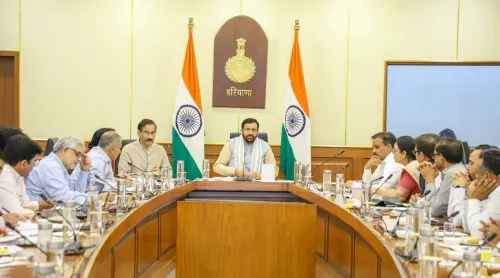
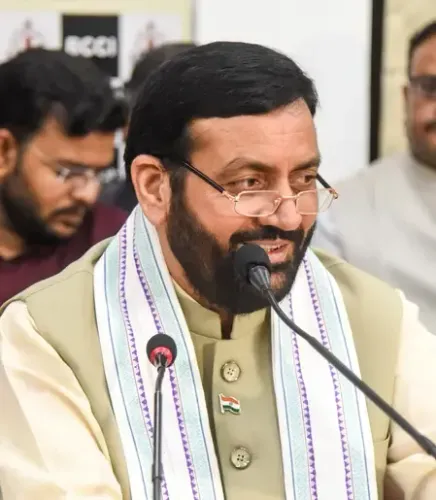
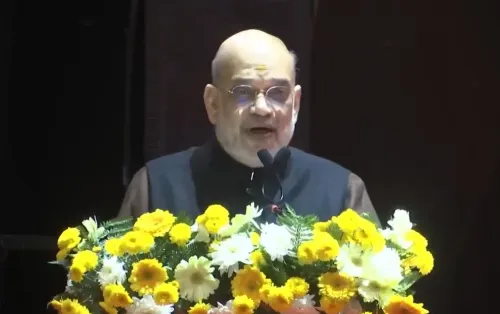
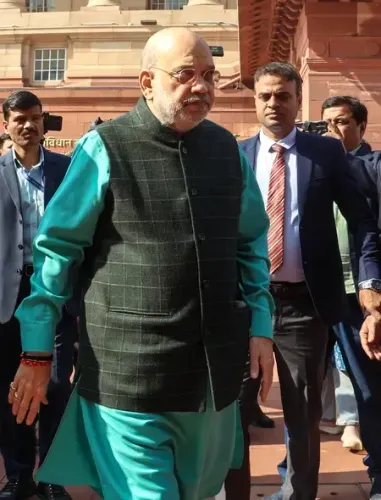
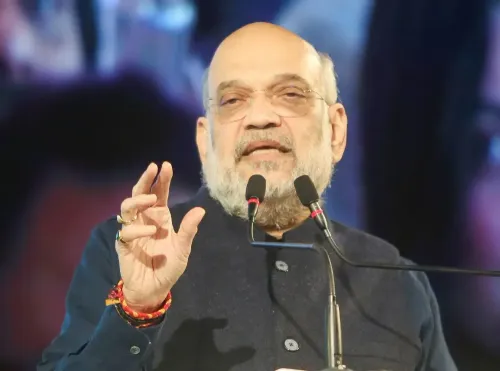
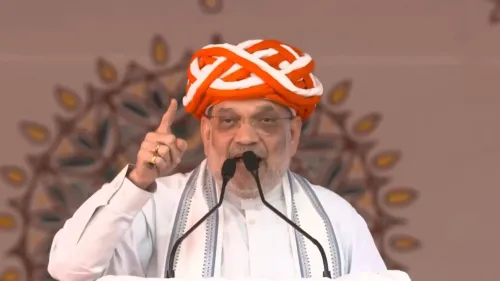
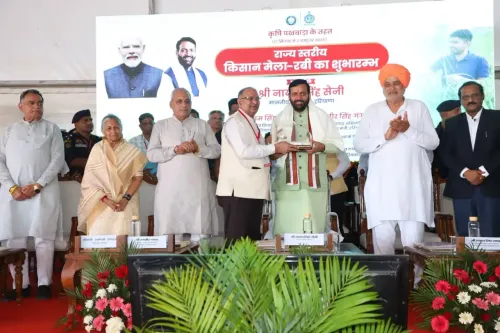
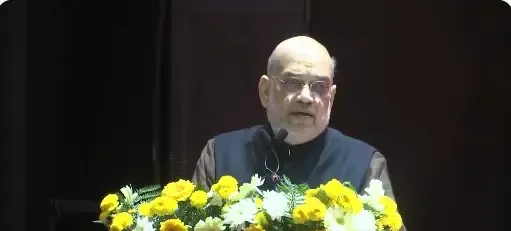
Panchkula, Dec 24 (NationPress) Union Home and Cooperation Minister Amit Shah addressed a Cooperative Conference hosted by Krishak Bharati Cooperative Limited (KRIBHCO) on the topic 'Role of Cooperation in Sustainable Agriculture' alongside Haryana Chief Minister Nayab Singh Saini and other esteemed guests.
During his speech, Home Minister Shah remarked, 'Haryana, steeped in history, spirituality, and tradition, is progressively crafting new avenues for farmers' prosperity through synergy between agriculture and cooperatives.'
He highlighted the inauguration of a milk chilling centre, Haryana State Cooperative Supply and Marketing Federation Limited (HAFED) flour mill, Rupee Platinum Card distribution, and registration certificates for model Primary Agricultural Credit Societies (PACS) at this conference.
Shah emphasized that nearly 70% of India’s population lives in rural areas, with a significant portion relying on agriculture and animal husbandry for their livelihoods.
He stated, 'When agriculture and animal husbandry are treated as independent sectors, they generate substantial employment for the populace.'
According to Shah, linking these sectors with cooperation can not only provide jobs to 1.25 billion people but also significantly enhance their prosperity.
He cited the case of Amul in Gujarat, which distributes approximately ₹90,000 crore annually to 3.6 million women milk producers. In contrast, if sold at market rates, the same quantity would yield only ₹12,000 crore.
This disparity of ₹78,000 crore exemplifies the power of cooperation. Shah asserted, 'By integrating animal husbandry, agriculture, and cooperation, we can pave the way for prosperity.'
He acknowledged that agriculture and animal husbandry were formerly viewed solely through an employment lens, but Prime Minister Narendra Modi has introduced a new philosophy of prosperity through cooperation by establishing the Ministry of Cooperation.
Shah noted that cooperation is now being linked not just with job creation but also with overall prosperity.
He pointed out that since Modi's tenure as Prime Minister, there has been a significant enhancement in agricultural foundations, leveraging cooperation to uplift farmers.
He elaborated on the new agricultural policy, emphasizing lower water usage, reduced chemical application, and minimized risks with an aim for high yields via scientific irrigation, organic farming, and crop selection based on soil testing.
Shah urged for initiatives to boost farmers' incomes through factors such as soil health, water security, institutional credit, market accessibility, and improved methods for produce processing and marketing.
He expressed the need for a gradual transition from subsidy-dependent agriculture to sustainable farming practices that guarantee lasting profits.
Shah stated that the Haryana government has actively pursued various initiatives in water and soil conservation, testing, organic farming, climate-resilient agriculture, the Digital Agriculture Mission, and cooperation.
He revealed that in 2014 when Modi assumed office, the agricultural budget was at ₹22,000 crore, which has now soared to ₹1,27,000 crore.
Furthermore, the rural development budget has expanded from ₹80,000 crore to ₹1,87,000 crore.
Shah remarked that every sarpanch in Haryana has received funds ranging from ₹10 crore to ₹25 crore over the last decade for village development, marking a significant shift in development strategy.
He also mentioned enhancements in crop insurance effectiveness.
'Under the Pradhan Mantri Kisan Samman Nidhi, each farmer is entitled to an annual sum of ₹6,000,' said Shah.
He highlighted a provision of ₹1 lakh crore under the Agriculture Infrastructure Fund and the fact that farmers are achieving fair pricing via the e-National Agriculture Market.
Shah concluded by mentioning initiatives like the Shri Anna Mission, Pulses and Oilseeds Mission, and the sustainable ecosystem in the dairy sector, which have resulted in irrigation expansion for an additional one lakh hectares over the past decade.
He reiterated that the Ministry of Cooperation was formed to ensure that farmers reap the full benefits of agricultural and animal husbandry products.
Point of View
It is crucial to recognize the significant strides being made in Haryana towards agricultural prosperity through collaborative efforts. The focus on sustainable practices and cooperation aligns with national objectives to uplift the rural economy, ensuring that farmers benefit from the full spectrum of resources available.
NationPress
6 Oct 2026
Frequently Asked Questions
What initiatives were launched at the Cooperative Conference?
During the conference, initiatives such as a milk chilling center, HAFED flour mill, RuPay Platinum Card distribution, and registration of model PACS were launched.
How does cooperation impact farmers' income?
Cooperation can increase farmers' income significantly by ensuring fair prices and reducing dependency on market fluctuations.
What is the role of the Ministry of Cooperation?
The Ministry of Cooperation aims to facilitate the full profit of agricultural and animal husbandry produce reaching the farmers.
What budgetary changes have occurred since 2014?
The agricultural budget has risen from ₹22,000 crore to ₹1,27,000 crore, while the rural development budget increased from ₹80,000 crore to ₹1,87,000 crore.
What is the significance of the e-National Agriculture Market?
The e-National Agriculture Market enhances price transparency and ensures farmers receive fair prices for their produce.