Haryana Enhances Waste Management Framework
Synopsis
Chandigarh's Chief Secretary Anurag Rastogi highlights Haryana's commitment to environmental management, showcasing advancements in waste processing and compliance with NGT directives. The state is on track to achieve full waste processing capacity by 2026.
Key Takeaways
Haryana has made significant strides in waste management, complying with NGT directives.
Scientific composting is in place in 53 Urban Local Bodies.
Near-universal door-to-door waste collection covers 98% of wards.
Ongoing efforts aim for full waste processing capacity by 2026.
Technological solutions are enhancing monitoring and accountability.
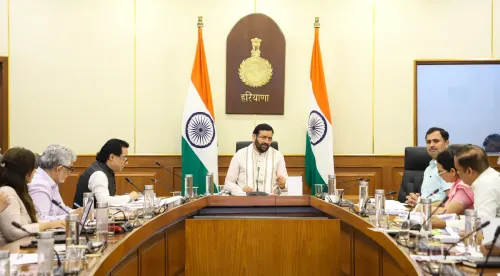
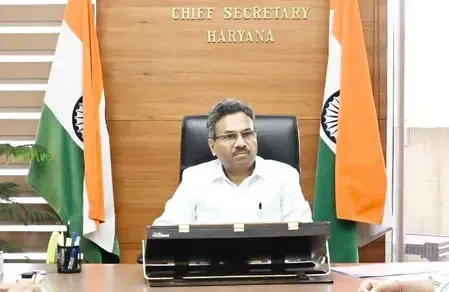
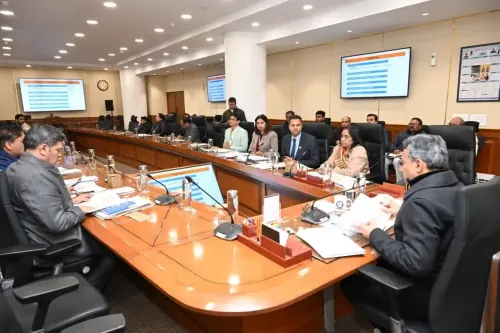
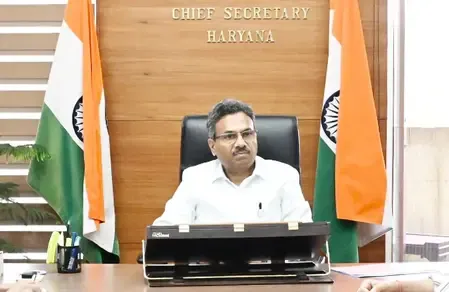
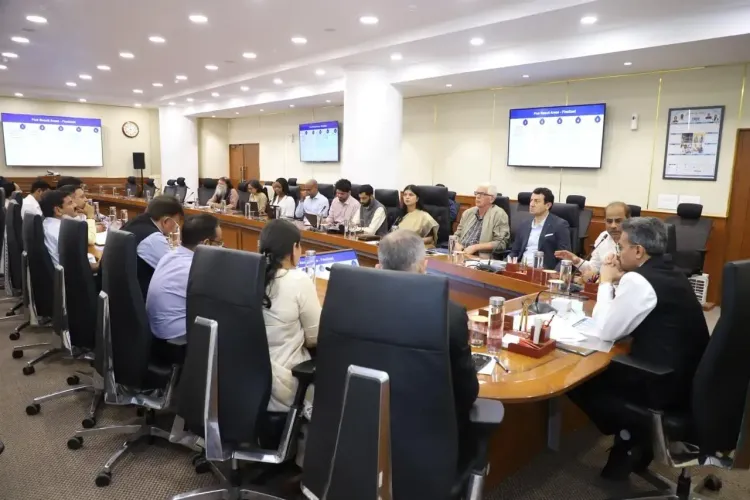
Chandigarh, April 9 (NationPress) The Chief Secretary of Haryana, Anurag Rastogi, conducted a thorough review on Thursday regarding the state's adherence to the directives issued by the National Green Tribunal (NGT).
During the meeting, the Chief Secretary emphasized the necessity of ongoing monitoring, precise reporting, and collaborative efforts among various departments to ensure that NGT mandates are met in a timely manner.
He reaffirmed Haryana's dedication to achieving complete compliance through a methodical and results-driven strategy. Currently, scientific waste processing via composting is operational in 53 Urban Local Bodies, with the resulting output being effectively utilized in both agriculture and horticulture, according to an official announcement.
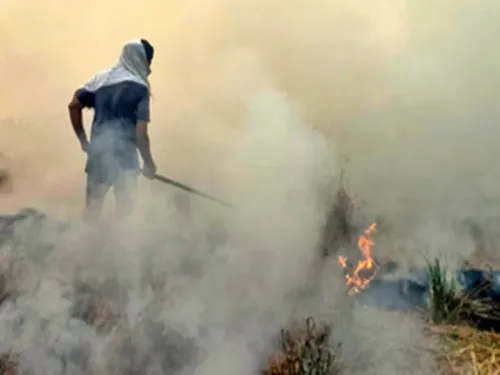
A waste-to-energy facility is currently operational in Sonepat, and efforts to enhance processing capabilities in other regions are advancing swiftly. The remediation of legacy waste has also accelerated, with significant progress made at most designated sites.
The remaining waste is being targeted for scientific disposal within established timelines, marking a significant transition towards long-term environmental sustainability, as stated in the announcement.
At the practical level, the state has nearly achieved universal door-to-door waste collection, encompassing approximately 98 percent of wards, while source segregation has seen marked improvements.
Haryana is now dedicated to closing the existing gap in waste processing capabilities, with the goal of achieving full coverage by the end of 2026.
To enhance coordination and monitoring, district-level task forces have been established under the guidance of Deputy Commissioners, integrating multiple departments for a comprehensive approach. Nodal officers have also been assigned at the urban local body level to bolster oversight and accountability.
The Chief Secretary further reviewed previous NGT observations and directed departments to enhance data accuracy, improve reporting systems, and expedite current projects concerning both solid and liquid waste management.
Commissioner and Secretary (Urban Local Bodies), Ashok Kumar Meena, reported that with consistent efforts, robust institutional frameworks, and technology-driven monitoring, Haryana is rapidly evolving into a model state for environmental management.
Point of View
Haryana's proactive approach in waste management reflects a growing commitment to environmental sustainability. By focusing on compliance and innovative waste processing methods, the state is positioning itself as a leader in responsible environmental stewardship.
NationPress
16 Oct 2026
Frequently Asked Questions
What is the current status of waste management in Haryana?
Haryana has implemented scientific waste processing in 53 Urban Local Bodies and achieved near-universal door-to-door waste collection, aiming for full processing capacity by 2026.
How is Haryana complying with NGT directives?
The state is actively monitoring compliance through coordinated actions among departments and has established task forces to ensure effective implementation.
What technologies are being used in Haryana’s waste management?
Haryana utilizes technology-driven monitoring systems to enhance waste management processes and ensure effective reporting and accountability.
What is being done about legacy waste in Haryana?
Remediation efforts for legacy waste are underway, with significant progress made at most identified sites to promote environmental sustainability.
Who oversees the waste management initiatives in Haryana?
The Chief Secretary along with district-level task forces and nodal officers is responsible for overseeing and coordinating waste management initiatives in the state.