India condemns demolition of 125-year-old Gurdwara in Pakistan, demands action
Synopsis
India has formally condemned the demolition of a 125-year-old Sikh gurdwara in Farooqabad, Pakistan — and the MEA's language is pointed: 'targeted act of vandalism', 'systemic targeting', 'continues unabated'. Coming weeks after the killing of a Sikh caretaker couple in Mardan, New Delhi is building a documented record of Pakistan's failure to protect its minorities.
Key Takeaways
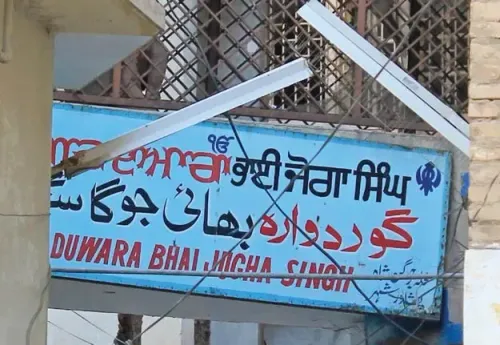
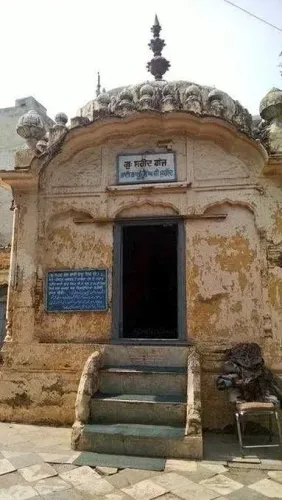
India on 1 July condemned the demolition of the 125-year-old Gurdwara Sri Guru Singh Sabha Sahib in Farooqabad, Pakistan .
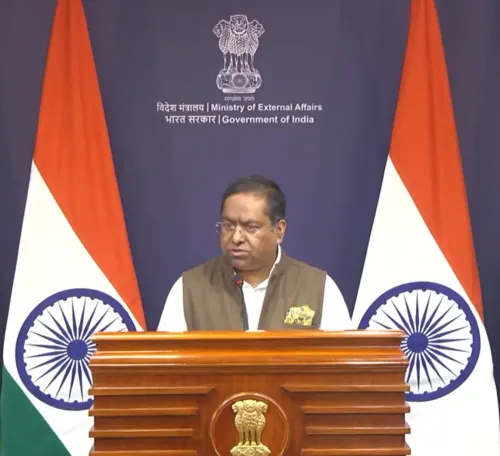
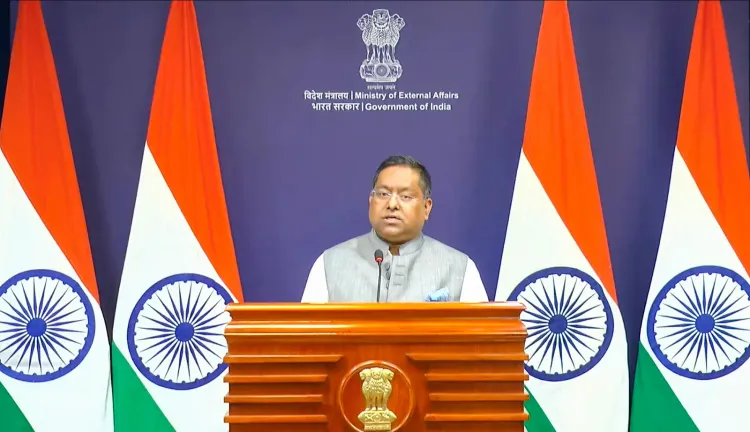
MEA spokesperson Randhir Jaiswal called it a 'highly deplorable and targeted act of vandalism,' citing inaction by the ETPB and local authorities.
India demanded Pakistan investigate the incident, restore the demolished structure, and ensure minority safety.
Last month, a Sikh caretaker couple — 70-year-old Jagannath and his wife — were shot dead inside a gurdwara in Mardan, Khyber Pakhtunkhwa .
The Human Rights Commission of Pakistan (HRCP) and rights group Voice of Pakistan Minority (VOPM) have both flagged a systemic pattern of violence against minorities.
VOPM noted a recurring cycle: 'minority victims, unguarded religious spaces, unidentified assailants, and investigations that rarely deliver justice — from Peshawar in 2022 to Mardan.'
India on Wednesday, 1 July strongly condemned the demolition of the 125-year-old Gurdwara Sri Guru Singh Sabha Sahib in Farooqabad, Pakistan, calling it a 'highly deplorable' and 'targeted act of vandalism' against a revered Sikh shrine. The Ministry of External Affairs (MEA) demanded that Pakistan investigate the incident, restore the demolished structure, and bring the perpetrators to justice.
What the MEA Said
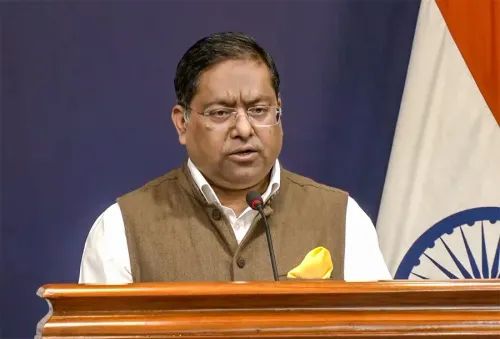
MEA spokesperson Randhir Jaiswal stated that India had taken note of 'deeply distressing' reports surrounding the shrine's destruction, expressing grave concern over the apparent inaction by local authorities and the Evacuee Trust Property Board (ETPB).
'We strongly condemn this highly deplorable and targeted act of vandalism against a revered Sikh shrine. Its destruction, along with reports of no meaningful action being taken by local authorities or the Evacuee Trust Property Board (ETPB), is a matter of grave concern,' Jaiswal said.
He further described the demolition as part of a pattern, adding: 'This is unfortunately not an isolated incident, as we have also seen similar reports earlier. The systemic targeting of religious minorities and their places of worship in Pakistan continues unabated.'
India's Demands from Pakistan
New Delhi urged Islamabad to take immediate steps on multiple fronts. The MEA called for expeditious investigation, accountability for those responsible, and reconstruction of the demolished portions of the gurdwara at the earliest.
The MEA also pressed Pakistan to 'discharge its obligations to ensure the safety, security, and well-being of its minority communities and their places of worship, and put a decisive end to the prevailing environment of sectarian violence and religious intolerance.'
A Pattern of Violence Against Minorities
The condemnation follows a string of incidents targeting religious minorities in Pakistan. Last month, unidentified assailants reportedly opened fire inside a gurdwara in the Babu Mohalla Khawaja Ganj Bazaar area of Mardan, killing 70-year-old Jagannath and his wife, who were reportedly serving as caretakers of the shrine. The attackers fled the scene.
The Human Rights Commission of Pakistan (HRCP) strongly condemned that killing, raising concerns about the circumstances in which the attack occurred — particularly reports that the alleged assailant had previously been engaged to provide security at the site. The HRCP also questioned the Mardan District Police Officer's early assertion linking the incident to a personal vendetta, noting it was unclear on what basis such a motive could be established at the preliminary stage of investigation.
Rights Groups Sound the Alarm
Minority rights organisation Voice of Pakistan Minority (VOPM) described the Mardan killings as an assault on the 'fragile promise of safety for religious minorities in Pakistan.' The group drew a direct line from the Peshawar violence in 2022 to the Mardan attack, identifying a recurring pattern: 'minority victims, unguarded religious spaces, unidentified assailants, and investigations that rarely deliver justice.'
The VOPM called on Pakistani authorities to ensure all possible lines of inquiry are examined and that those responsible are held accountable under the law. This comes amid broader international scrutiny of Pakistan's record on minority protections, particularly concerning Sikh, Hindu, and Christian communities.
What Happens Next
India's formal diplomatic statement raises the stakes for Pakistan to demonstrate a credible response. With the ETPB — the body mandated to protect minority religious properties — already facing criticism for inaction, pressure is mounting on Islamabad to enforce existing legal protections, including the 2014 Supreme Court judgment on the protection of religious minorities. Whether Pakistan takes any verifiable action will be closely watched by New Delhi and international human rights observers alike.
Point of View
Not merely lodging a protest. The pattern is hard to dismiss: a 125-year-old shrine razed in Farooqabad, a caretaker couple shot dead in Mardan, and the ETPB — the very body mandated to protect minority properties — conspicuously absent. What is notable is the explicit reference to the 2014 Pakistani Supreme Court judgment on minority protections: it signals that New Delhi is tracking Pakistan's own legal commitments and their consistent non-enforcement. Unless Islamabad moves beyond routine denial, this accumulating record is likely to feature in multilateral human rights forums.
NationPress
1 Jul 2026
Frequently Asked Questions
Which gurdwara was demolished in Pakistan and where is it located?
The demolished shrine is Gurdwara Sri Guru Singh Sabha Sahib , a 125-year-old Sikh place of worship located in Farooqabad, Pakistan . India's MEA described its destruction as a 'targeted act of vandalism' and called for its immediate restoration.
What did India's Ministry of External Affairs say about the demolition?
MEA spokesperson Randhir Jaiswal strongly condemned the demolition, calling it 'highly deplorable.' He flagged the apparent inaction of local authorities and the Evacuee Trust Property Board (ETPB) , and urged Pakistan to investigate, punish the perpetrators, and restore the demolished structure.
Is this an isolated incident or part of a broader pattern?
According to India's MEA and rights groups, it is part of a broader pattern. Last month, a Sikh caretaker couple was shot dead inside a gurdwara in Mardan, Khyber Pakhtunkhwa . The VOPM has documented a recurring cycle of minority-targeted violence in Pakistan dating back to at least Peshawar in 2022 .
What is the Evacuee Trust Property Board (ETPB) and why is it under scrutiny?
The ETPB is the Pakistani government body mandated to manage and protect properties — including religious sites — left behind by minorities who migrated during Partition. It is under scrutiny because, according to India's MEA, no meaningful action was taken by the ETPB following the demolition of the gurdwara in Farooqabad.
What has the Human Rights Commission of Pakistan said about minority safety?
The Human Rights Commission of Pakistan (HRCP) strongly condemned the killing of the Sikh caretaker couple in Mardan, saying it 'intensified concerns over the safety and security of religious minorities.' It also questioned the local police's early assertion that the attack was motivated by a personal vendetta, calling for a thorough investigation.