Turkey's 1971 stance on Bangladesh remains a diplomatic fault line
Synopsis
Turkey's refusal to recognise Bangladesh until 1974 — after backing Pakistan's position throughout the 1971 Liberation War — is resurfacing as Dhaka and Ankara expand ties in 2026. A Bangladeshi newspaper report argues that Ankara's historical alignment with Pakistan, and its later defence of convicted war criminals, cannot be quietly sidestepped in a relationship both countries want to deepen.
Key Takeaways
Turkey backed Pakistan's position during Bangladesh's 1971 Liberation War , treating the conflict as an internal Pakistani matter.
Ankara did not recognise Bangladesh until 22 February 1974 — only after Pakistan accepted Bangladeshi independence.
The delay reflected Turkey's Cold War alliance with Pakistan and strategic priorities within the Muslim world, according to the report.
Jamaat-e-Islami , which opposed Bangladesh's independence and collaborated with the Pakistani military, shares the same wartime alignment as Turkey, though no direct Turkey–Jamaat endorsement has been documented.
Some observers argue Ankara's recent diplomatic outreach in Bangladesh has been perceived as favouring Islamist groups, including Jamaat, in the 2026 political landscape.
A Daily Sun report calls on both nations to confront historical realities honestly if bilateral ties are to deepen meaningfully.
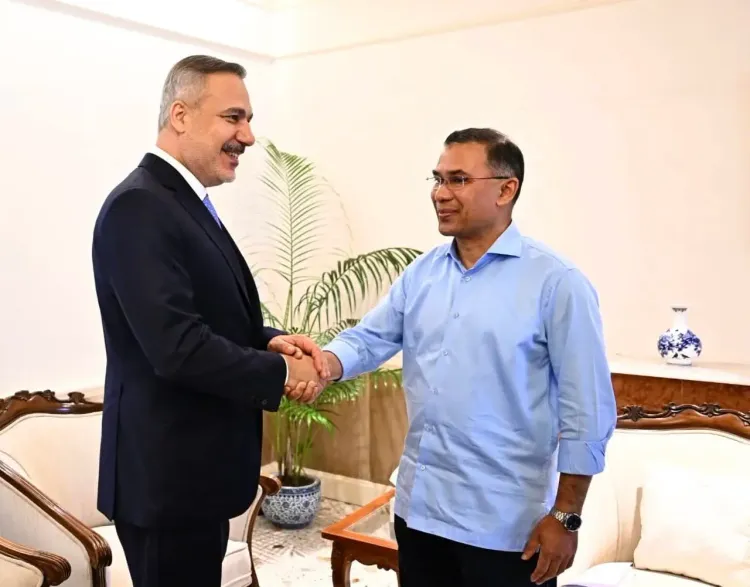
As Bangladesh and Turkey deepen bilateral engagement in 2026, unresolved questions from the 1971 Liberation War continue to cast a shadow over the relationship, according to a report in Bangladesh's Daily Sun. Observers argue that Ankara's historical alignment with Pakistan during the war — and its subsequent diplomatic posture — remains a contentious undercurrent in Dhaka–Ankara ties.
Turkey's Position During the 1971 Liberation War
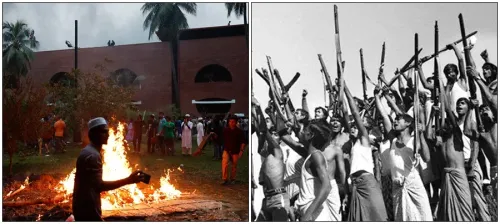
According to the Daily Sun report, Turkey did not support Bangladesh during its 1971 Liberation War against Pakistan. Instead, Ankara endorsed Islamabad's position that the conflict was an internal matter and emphasised Pakistan's territorial integrity. Turkey did not recognise Bangladesh during the war or in the immediate aftermath of its victory in December 1971.
Recognition came only on 22 February 1974 — after Pakistan itself had accepted Bangladesh's independence and ahead of Bangladesh's admission to the Organisation of Islamic Cooperation (OIC). The report notes that this delay reflected Turkey's strategic priorities: Pakistan was a longstanding Cold War ally, and for Ankara, preserving ties with Islamabad outweighed backing Bangladesh's struggle for self-determination.
The Jamaat-e-Islami Dimension
The report highlights that Jamaat-e-Islami, which opposed Bangladesh's independence in 1971 and aligned itself with Pakistan, has remained a sensitive thread in Turkey–Bangladesh relations. Some of the party's leaders collaborated with the Pakistani military regime, and several members were subsequently convicted by Bangladeshi courts for war crimes.
While the report notes there is 'no convincing historical evidence that Turkey specifically endorsed Jamaat-e-Islami in 1971,' it argues that because Turkey supported Pakistan's position, it 'objectively found itself aligned with the same side of the conflict as Jamaat.' More recently, some observers contend that Ankara's public statements and diplomatic outreach have been perceived as favouring Islamist political groups, including Jamaat, in Bangladesh's 2026 political landscape — a charge that Ankara has not formally addressed.
Historical Memory and Contemporary Diplomacy
Turkey often presents itself, according to the report, as a champion of justice, democracy, and Muslim solidarity. Yet its record on Bangladesh, critics argue, tells a more complicated story — from opposing independence in 1971 to reportedly criticising the prosecution of Liberation War criminals in subsequent decades.
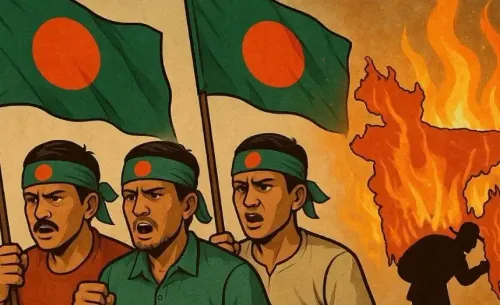
For Bangladesh, the 1971 Liberation War is not merely a chapter of geopolitical change; it is the foundation of national identity. Against that backdrop, Turkey's wartime alignment with Pakistan, coupled with its later defence of convicted Jamaat leaders, have remained points of friction that periodically resurface in public discourse.
The Road Ahead for Dhaka and Ankara
Bangladesh and Turkey have expanded cooperation across several sectors in recent years. However, the Daily Sun report cautions that genuine partnership requires more than transactional engagement. 'The challenge for both countries is whether they can deepen practical cooperation while acknowledging the historical realities that continue to influence public opinion. Genuine friendship between nations is strengthened not by ignoring history, but by confronting it honestly and respectfully,' the report stated.
As bilateral ties evolve, how both governments navigate this historical fault line is likely to shape the depth and durability of the Dhaka–Ankara relationship going forward.
Point of View
Shaped by Cold War alliance calculus and Muslim-world solidarity with Pakistan. What makes this historically significant is that Ankara's position effectively placed it on the same side as forces later convicted of war crimes by Bangladeshi courts. As Turkey courts influence across South and Southeast Asia, its unwillingness to formally acknowledge this record creates a credibility gap that no amount of trade agreements or OIC solidarity rhetoric can fully paper over. Bangladesh's public memory of 1971 is not nostalgia — it is constitutional identity. Any Dhaka–Ankara partnership that skips this chapter will remain structurally shallow.
NationPress
1 Jul 2026
Frequently Asked Questions
What was Turkey's position during Bangladesh's 1971 Liberation War?
Turkey backed Pakistan's stance that the 1971 conflict was an internal matter, endorsing Islamabad's position on territorial integrity rather than supporting Bangladesh's independence movement. It did not recognise Bangladesh during the war or immediately after its victory in December 1971.
When did Turkey recognise Bangladesh?
Turkey formally recognised Bangladesh on 22 February 1974 — more than two years after Bangladesh's independence — following Pakistan's own acceptance of Bangladeshi sovereignty and ahead of Bangladesh's admission to the Organisation of Islamic Cooperation (OIC).
What is the connection between Turkey and Jamaat-e-Islami in Bangladesh?
There is no documented evidence that Turkey specifically endorsed Jamaat-e-Islami in 1971. However, since Turkey supported Pakistan's position and Jamaat aligned itself with Pakistan during the Liberation War, both were on the same side of the conflict. More recently, some observers argue that Turkish diplomatic outreach in Bangladesh has been perceived as favouring Islamist groups, including Jamaat.
Why does Turkey's 1971 stance still matter for Bangladesh today?
The 1971 Liberation War is the foundation of Bangladesh's national identity, not merely a historical event. Turkey's wartime alignment with Pakistan, and its reported criticism of the prosecution of Liberation War criminals in later decades, have remained points of friction that periodically resurface in bilateral relations.
Can Bangladesh and Turkey move past this historical tension?
Analysts and the Daily Sun report suggest it is possible, but only if both countries acknowledge the historical realities rather than bypassing them. Expanding trade and sectoral cooperation can proceed, but a deeper strategic partnership is seen as contingent on Turkey confronting its 1971 record honestly.