Himachal Cabinet grants NPA to super-specialist medical faculty, hikes PG stipends
Synopsis
The Himachal Pradesh Cabinet under CM Sukhvinder Sukhu cleared over a dozen decisions in one sitting — from granting NPA to super-specialist doctors and hiking PG medical stipends by up to 30%, to establishing an All India Institute of Ayurveda in Hamirpur and launching a 90% subsidy on fishing gear. The breadth of the decisions signals a government trying to shore up both healthcare capacity and rural livelihoods ahead of the political cycle.
Key Takeaways
NPA approved for super-specialist medical faculty with DM, M.Ch., and DrNB qualifications under the Department of Medical Education and Research.
PG medical stipends revised: ₹50,000 (1st year), ₹60,000 (2nd year), ₹65,000 (3rd year), effective immediately.
ASHA workers get a ₹1,000 monthly honorarium hike to ₹6,800 , effective 1 April ; nambardars get ₹500 hike to ₹5,000 .
National teacher awardees' cash prize raised to ₹1.5 lakh from ₹60,000 ; state awardees to ₹1 lakh from ₹40,000 .
All India Institute of Ayurveda to be established at Dhaneta, Hamirpur on 75 acres .
Fishermen to receive fishing boats at 70% subsidy and fishing gear at 90% subsidy via DBT in 2026-27 .
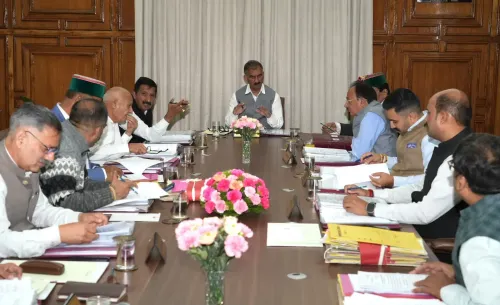
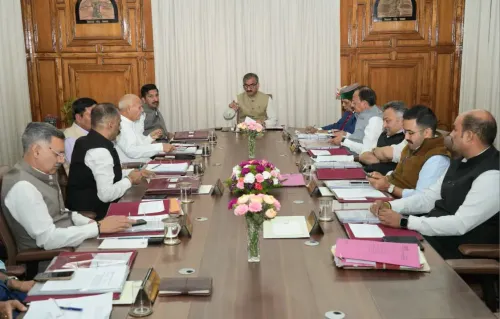
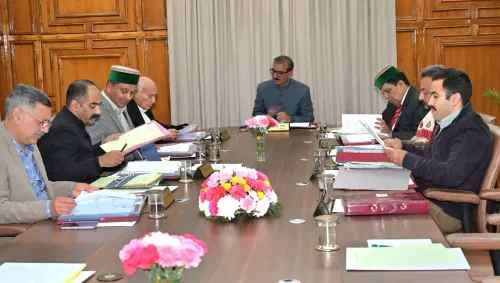
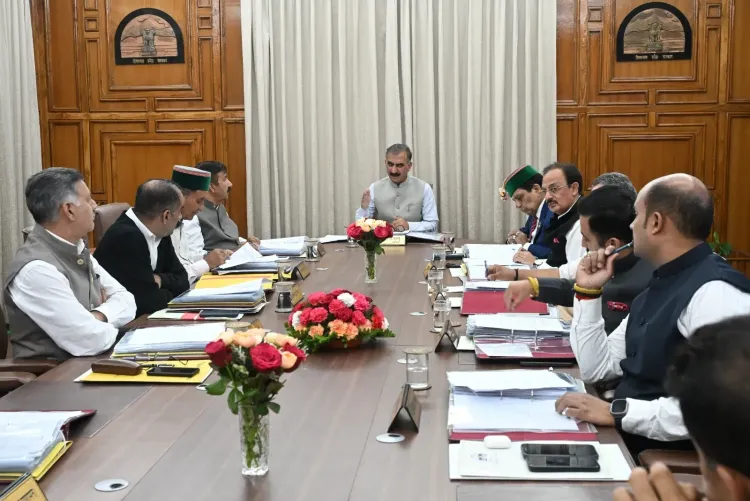
The Himachal Pradesh Cabinet, chaired by Chief Minister Sukhvinder Sukhu, on Monday, 20 July approved the grant of non-practising allowance (NPA) to super-specialist medical faculty holding recognised DM, M.Ch., and DrNB qualifications under the Department of Medical Education and Research. The decision is part of a broader set of welfare and infrastructure measures cleared at the Cabinet meeting in Shimla.
Stipend Hike for Postgraduate Medical Students
The Cabinet approved a significant revision in monthly stipends for postgraduate students under the Department of Medical Education. First-year students will now receive ₹50,000 per month, up from ₹40,000; second-year students will get ₹60,000, up from ₹45,000; and third-year students will receive ₹65,000, up from ₹50,000. The revision is aimed at improving retention and attracting talent to the state's public health education system.
Teacher Awards and Grassroots Worker Honorariums Enhanced
Cash prizes under the Teacher Award Policy have been substantially raised. National awardees will now receive ₹1.5 lakh instead of ₹60,000, while state awardees will get ₹1 lakh instead of ₹40,000. The Cabinet also decided that awardee teachers will not be granted service extensions.
At the grassroots level, the monthly honorarium of nambardars has been increased by ₹500 — from ₹4,500 to ₹5,000. ASHA workers under the Health Department will receive a hike of ₹1,000, taking their monthly honorarium from ₹5,800 to ₹6,800, effective 1 April.
New Medical Courses and Ayurveda Institute Approved
The Cabinet cleared the introduction of B.Sc. Medical Technology (Radiotherapy Technologist) and Bachelor of Radiation Therapy Technology courses, each with an annual intake of 30 seats, at Indira Gandhi Medical College and Hospital in Shimla and Rajendra Prasad Government Medical College in Tanda.
In a major push for traditional medicine, the Cabinet decided to establish an All India Institute of Ayurveda at Dhaneta in the Nadaun area of Hamirpur district, with 75 acres of land identified for the project. This comes amid the Centre's broader push to institutionalise AYUSH infrastructure across states.
Road Safety, Fisheries, and Cold Chain Measures
The Cabinet approved a Road Safety Audit Policy to minimise crash risks on both new and existing road projects and reduce accident severity. On the fisheries front, it approved procurement and distribution of fishing boats to fishermen at a 70 per cent subsidy via the Direct Benefit Transfer (DBT) mechanism in 2026-27, along with a 90 per cent subsidy on fishing gear — including cast nets and gill nets — through the same channel.
Additionally, the Cabinet approved a 70 per cent subsidy through DBT for establishing post-harvest infrastructure and cold chain facilities, covering 20 cold storage units (5 MT capacity), 10 freeze-dry units, and 20 refrigerated vans for eligible beneficiaries. These measures are expected to reduce post-harvest losses and improve income for farmers and fishermen across the state.
Point of View
Where public hospitals struggle to compete with private sector pay. However, the decision to bar awardee teachers from service extensions — announced in the same breath as a prize hike — introduces a punitive undertone that could dilute the incentive. The All India Institute of Ayurveda at Hamirpur is a headline-grabbing commitment, but its delivery will depend on land acquisition speed and Centre-state funding clarity, both of which have historically stalled similar projects in hill states.
NationPress
20 Oct 2026
Frequently Asked Questions
What is the non-practising allowance (NPA) approved by the Himachal Pradesh Cabinet?
The NPA is a financial allowance granted to super-specialist medical faculty holding DM, M.Ch., or DrNB qualifications who serve under Himachal Pradesh's Department of Medical Education and Research. It compensates them for not engaging in private practice, helping the state retain specialist doctors in public hospitals.
By how much have PG medical student stipends been increased in Himachal Pradesh?
First-year PG students will now receive ₹50,000 per month (up from ₹40,000), second-year students ₹60,000 (up from ₹45,000), and third-year students ₹65,000 (up from ₹50,000). The revised rates were approved by the Cabinet on 20 July.
Where will the All India Institute of Ayurveda in Himachal Pradesh be located?
The institute will be established at Dhaneta in the Nadaun area of Hamirpur district, with 75 acres of land identified for the purpose. The Cabinet approved the decision as part of its broader push to develop AYUSH infrastructure in the state.
Who benefits from the ASHA worker honorarium hike in Himachal Pradesh?
ASHA workers under the Himachal Pradesh Health Department will see their monthly honorarium rise by ₹1,000 — from ₹5,800 to ₹6,800 — with effect from 1 April. Nambardars will also receive a ₹500 monthly hike, taking their honorarium to ₹5,000.
What new medical courses has the Himachal Pradesh Cabinet approved?
The Cabinet approved B.Sc. Medical Technology (Radiotherapy Technologist) and Bachelor of Radiation Therapy Technology courses, each with 30 annual seats, at Indira Gandhi Medical College and Hospital in Shimla and Rajendra Prasad Government Medical College in Tanda.