Sharan village weavers: How Himachal's Handloom Village is reviving traditional craft
Synopsis
Sharan, a remote Himachal village where 95% of homes are built in the Kath-Kuni style, was quietly designated a Handloom Village in 2020 — and the ripple effects are now visible in women's incomes, tourist-facing product lines, and a generational craft that might otherwise have faded. It is a small-scale model of what targeted recognition, without massive spending, can do.
Key Takeaways
Sharan village in Kullu district, Himachal Pradesh was declared a Handloom Village by the Union Ministry of Textiles in 2020 .
Nearly 95 per cent of Sharan's houses are built in the traditional Kath-Kuni architectural style, a key factor in the designation.
Local artisans now sell pattu shawls, stoles, caps, mufflers, and crochet products to tourists and the open market.
Women in the village begin learning weaving skills at around 14–15 years of age ; government support has expanded formal employment for women.
National Handloom Day is observed on 7 August every year to mark the Swadeshi Movement's 1905 launch .
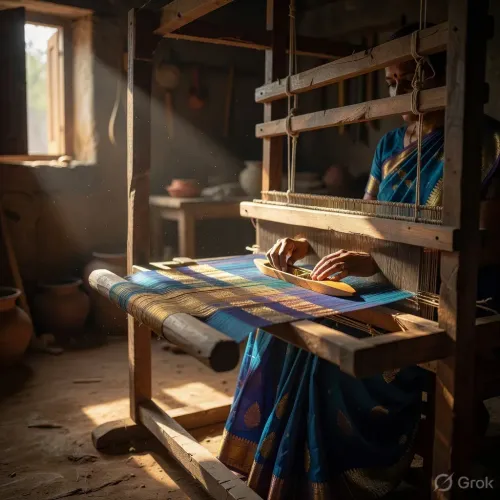
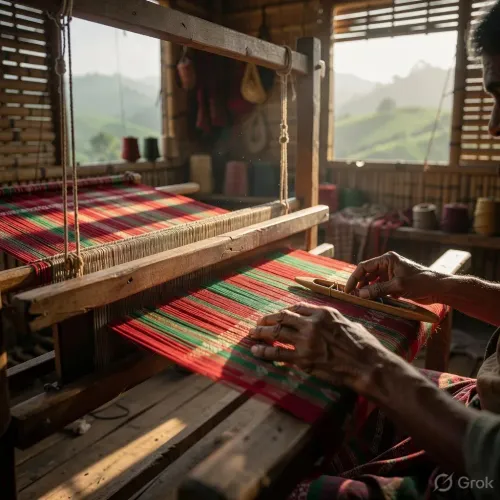
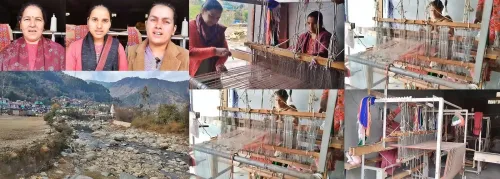
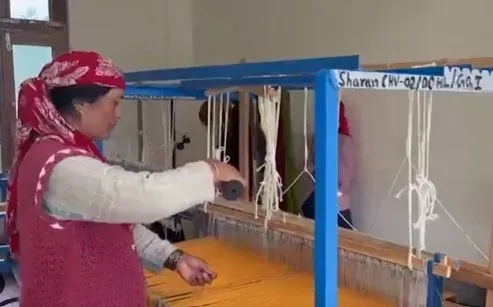
Artisans in Sharan village, Kullu district, Himachal Pradesh, are experiencing a quiet economic transformation — one woven thread at a time. Since the Union Ministry of Textiles designated Sharan a Handloom Village in 2020, local weavers, predominantly women, have moved from producing handloom goods solely for personal use to selling a range of traditional textiles in the open market, marking a meaningful shift in rural livelihoods.
Why Sharan Was Chosen
Located under the Rumsu Panchayat near Naggar in Kullu district, Sharan earned the Handloom Village designation following a Ministry of Textiles survey that found nearly 95 per cent of its houses were constructed in the traditional Kath-Kuni architectural style. The survey also noted that a large proportion of residents were already engaged in handloom weaving — satisfying the core criteria for the recognition.
From Household Use to Market Sales
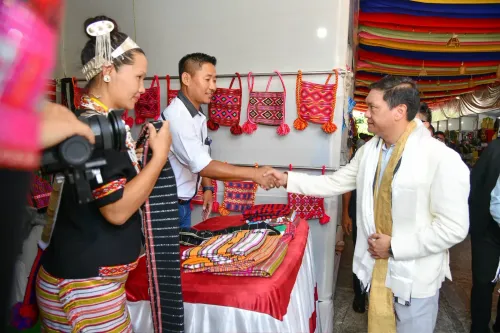
The designation triggered a cascade of support: a dedicated handloom building, retail shop space under a self-help initiative, and formal skills training for women artisans. The product range has since expanded well beyond the traditional pattu shawl to include stoles, caps, mufflers, and crochet items — all calibrated to tourist preferences.
One local artisan described the change on National Handloom Day: 'Earlier, we used to make products such as pattus only for our own use. Since the handloom building was set up and we got this shop, we have started making shawls, stoles, pattus, and other products for sale. This has opened up a source of income for us. We are also making mufflers and a variety of crochet products. We observe what tourists like and try to make products according to their preferences.'
A Generational Craft, Newly Empowered
For many families in Sharan, weaving is not a new skill — it is an inherited one. A second artisan explained that training typically begins around the age of 14 or 15, with knowledge passed down within households. What government intervention added was market access and financial structure.
'After the government provided us with a shop under a self-help initiative, our business saw a significant boost. We also received training, and employment opportunities for women increased. Today, many women are earning through handloom weaving while carrying forward our traditional craft,' the artisan said.
Significance on National Handloom Day
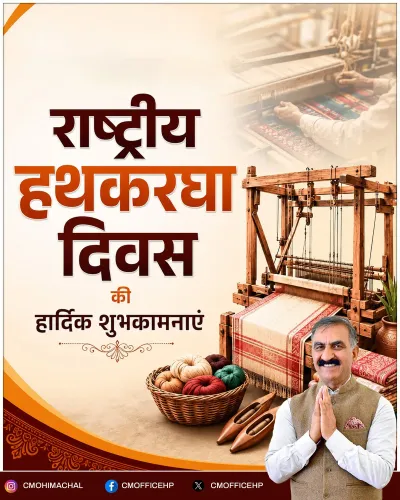
National Handloom Day is observed every year on 7 August across India to commemorate the launch of the Swadeshi Movement in 1905 and to honour the contribution of the country's weavers and artisans to India's cultural and textile heritage. Sharan's story, shared on this occasion, illustrates how targeted government recognition — even without large capital outlays — can catalyse grassroots economic activity when it aligns with existing community skills.
The initiative has strengthened the local economy while enabling women to achieve financial independence, all without displacing the centuries-old weaving traditions that define the region's identity. Whether the model can be scaled to other craft-dense villages in Himachal Pradesh remains a question policymakers are likely to revisit.
Point of View
A building, and a shop. That the label alone was enough to unlock training, self-help structures, and tourist footfall suggests India's artisan economy may be more responsive to recognition than to subsidy. The harder question is replicability: Sharan qualified partly because its built environment — 95% Kath-Kuni homes — was already intact. Most craft villages are not so legibly 'traditional.' Scaling this model will require the government to invest in documentation and survey work that it has historically underfunded.
NationPress
21 Sept 2026
Frequently Asked Questions
What is the Handloom Village designation given to Sharan?
The Handloom Village designation is an official recognition by the Union Ministry of Textiles awarded to villages where handloom weaving is a dominant community activity. Sharan in Kullu district, Himachal Pradesh, received this status in 2020 after a ministry survey found nearly 95% of its homes were in the traditional Kath-Kuni style and that most residents were already engaged in weaving.
How has the designation changed life for Sharan's weavers?
Artisans in Sharan have moved from producing handloom goods solely for personal use to selling shawls, stoles, pattu, mufflers, and crochet products commercially. A dedicated handloom building, retail shop, and skills training were provided, significantly increasing income — particularly for women.
Why is National Handloom Day celebrated on 7 August?
National Handloom Day is observed on 7 August every year to commemorate the launch of the Swadeshi Movement on that date in 1905, and to recognise the contribution of India's handloom weavers to the country's cultural and textile heritage.
Who are the primary beneficiaries of the Sharan Handloom Village initiative?
Women artisans in Sharan are the primary beneficiaries. The initiative has expanded employment opportunities for women, who now earn independently by weaving and selling traditional products, while also passing the craft on to younger generations.
What traditional products are made by Sharan's weavers?
Sharan's artisans produce traditional pattu shawls, stoles, caps, mufflers, and a variety of crochet items. Products are increasingly tailored to tourist preferences, broadening the market beyond the local community.