CM Himanta Backs Union Govt's Cancer Medicine Price Cap
Synopsis
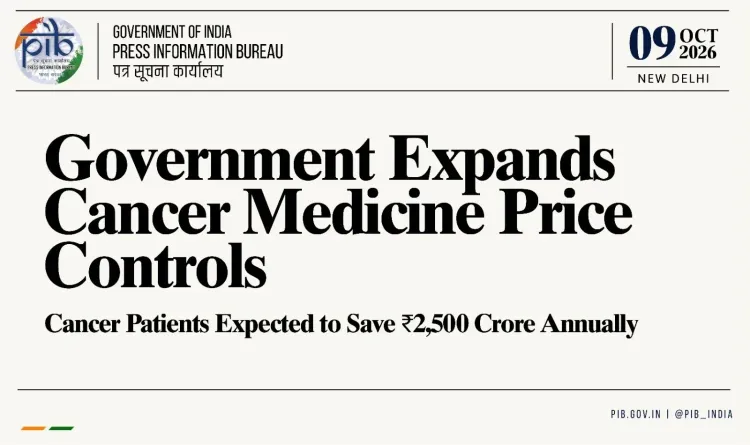
Assam Chief Minister Himanta Biswa Sarma has backed the Union Government's decision to cap margins on cancer medicines, a move projected to reduce prices of essential oncology drugs by up to 70%, offering significant financial relief to patients and families across India.
Key Takeaways
The Union Government has imposed a margin cap on cancer medicines aimed at reducing prices by up to 70% .
Assam CM Himanta Biswa Sarma publicly endorsed the decision on October 10, 2026 , calling it 'a very important decision.' The cap targets margins charged across the supply chain, not just the maximum retail price.
Sarma is the BJP 's NEDA convenor, making his endorsement part of a broader coordinated political messaging effort.
Cancer treatment costs in India can run to tens of thousands of rupees per month, making affordability a critical public-health issue.
Actual patient savings will depend on enforcement, compliance, and the scope of medicines covered under the policy.
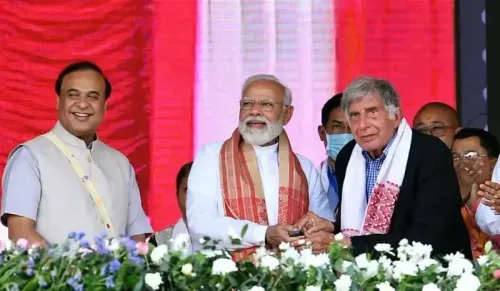
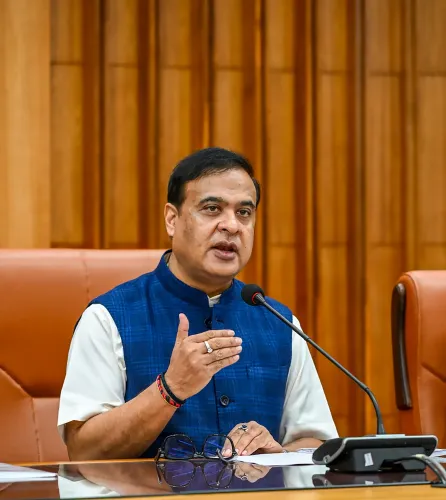
A price cap that could slash the cost of cancer medicines by up to 70% — that is the scale of relief the Union Government's latest decision promises to millions of Indian families already crushed by the financial weight of a cancer diagnosis. Assam Chief Minister Himanta Biswa Sarma on Saturday, October 10, 2026, publicly backed the move, calling it 'a very important decision by the Union Govt.'
What the margin cap actually means for patients
The policy works by placing a ceiling on the margins that distributors and retailers can charge on cancer medicines — a mechanism distinct from simply fixing a maximum retail price. By targeting the margin at each link of the supply chain, the government aims to prevent mark-ups that have historically pushed life-saving oncology drugs far beyond the reach of ordinary households. CM Sarma described the measure as one that 'puts a cap on margins charged on cancer medicines' and will bring down prices of 'essential medicines by up to 70%.'
For context, cancer treatment in India is among the most financially devastating medical events a family can face. Chemotherapy drugs, targeted therapies, and supportive-care medicines together can cost tens of thousands of rupees per month — and that is before hospitalisation, diagnostics, or surgery. A 70% reduction on even a portion of that bill represents a meaningful lifeline.
Why Sarma's endorsement carries political weight
As the BJP's convenor of the North-East Democratic Alliance (NEDA) and the chief minister of Assam, Sarma is one of the party's most prominent regional faces. His amplification of a central government health-policy decision signals coordinated messaging — the BJP projecting welfare credentials on an issue that cuts across income groups, geographies, and political affiliations. Cancer does not discriminate by voter preference, and neither does the relief this cap promises.
The move also arrives as healthcare affordability remains a live political flashpoint nationally. Price controls on medicines touch a nerve because they sit at the intersection of public health, pharmaceutical industry interests, and electoral optics — a combination that gives any government both risk and reward.
The broader push to make essential medicines affordable
India has used price-control mechanisms under the Drug Price Control Order framework for decades, but oncology drugs have often escaped the tightest caps due to their complex manufacturing profiles and patent status. A margin-based cap — rather than a cost-plus formula — is a more direct intervention at the retail end, and if enforced uniformly, it could compress prices faster than previous approaches. The stated target of up to 70% reduction is the headline figure; actual patient savings will depend on implementation, compliance monitoring, and whether the policy covers both branded and generic oncology formulations.
For now, the political signal is unambiguous: the Union Government is staking a claim on cancer-care affordability, and state leaders like Sarma are making sure the message reaches every corner of the country.
When a policy can mean the difference between a family selling its home and a patient completing chemotherapy, the politics around it tend to take care of themselves.
Point of View
Targeting the retail end of the supply chain where mark-ups have historically been steepest. CM Sarma's enthusiastic public endorsement reflects the BJP's strategic interest in owning the healthcare-affordability narrative ahead of electoral cycles, particularly in states where out-of-pocket medical expenditure is a live grievance. The 70% reduction figure, if realised in practice, would represent one of the most significant oncology drug price interventions in India's recent history. The real test will be in enforcement — margin caps without robust monitoring have a history of being absorbed rather than passed on to patients.
NationPress
10 Oct 2026
Frequently Asked Questions
What is the cancer medicine price cap announced by the Union Government?
The Union Government has introduced a cap on the margins that distributors and retailers can charge on cancer medicines, with the aim of reducing prices of essential oncology drugs by up to 70% for patients.
Why did Assam CM Himanta Biswa Sarma comment on the cancer drug price decision?
CM Sarma publicly endorsed the Union Government's decision on October 10, 2026, calling it 'a very important decision' that will provide relief to patients and families burdened by high cancer treatment costs.
How does a margin cap on medicines differ from a price cap?
A margin cap limits the profit percentage a seller can add at each stage of the supply chain, while a price cap sets an absolute maximum retail price. Margin caps can be more effective at compressing end-consumer costs when supply-chain mark-ups are the primary driver of high prices.
Will all cancer medicines become 70% cheaper in India?
The government's stated target is a reduction of up to 70% on essential cancer medicines. Actual savings for patients will depend on which drugs are covered, how the policy is enforced, and whether both branded and generic formulations are included.
What is the Drug Price Control Order and how does it relate to this decision?
India's Drug Price Control Order is the regulatory framework under which medicine prices and margins are controlled. The new cancer medicine margin cap is an extension of this framework, applying tighter controls specifically to oncology drugs that have historically carried high mark-ups.