Himanta Biswa Sarma dares Rahul Gandhi: Quit govts or stop questioning polls
Synopsis
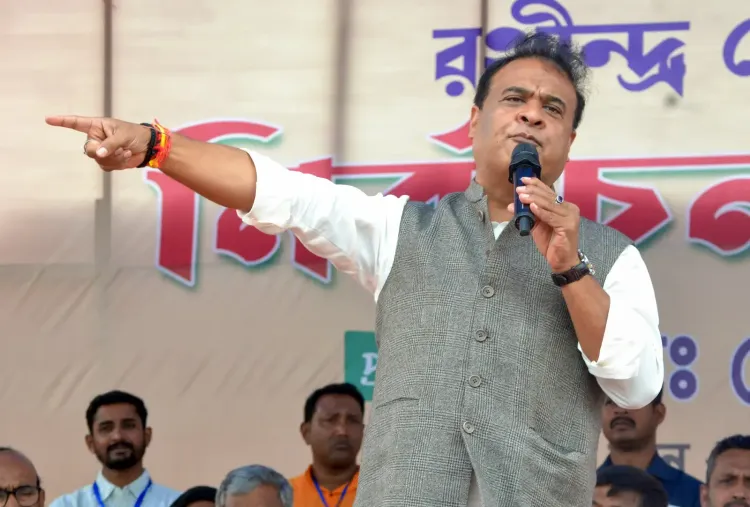
Assam CM Himanta Biswa Sarma has turned Congress's Election Commission attack back on Rahul Gandhi with a pointed dare: if the poll process is rigged, quit Congress-ruled governments and boycott future elections. The challenge exposes a real logical tension in the opposition's position — and signals the BJP is ready to fight this battle on constitutional ground.
Key Takeaways
Assam CM Himanta Biswa Sarma on 12 October challenged Rahul Gandhi to demand resignations of Congress-ruled state governments if he believes CEC Gyanesh Kumar cannot ensure fair elections.
Sarma named Kerala, Jharkhand, Karnataka, Telangana , and Tamil Nadu as states whose governments Gandhi should seek to dissolve under his own logic.
He also dared Gandhi to announce Congress would not contest elections in Uttar Pradesh, Punjab, Goa, Manipur , and Uttarakhand under the current CEC.
Sarma quoted Gandhi's alleged double standard: 'You win an election, and the EVMs are fine; I win an election, and the election is bad.' Sarma argued Gandhi's own position as Leader of the Opposition was secured through the same electoral system he now criticises.
The exchange reflects a deepening BJP-Congress confrontation over the Election Commission of India's credibility ahead of upcoming state polls.
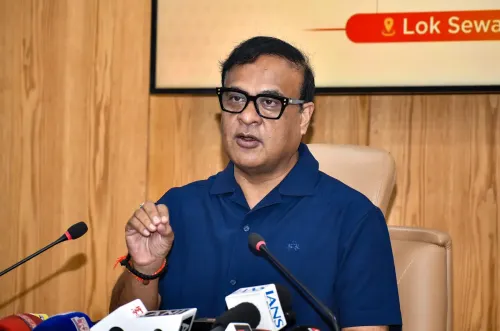
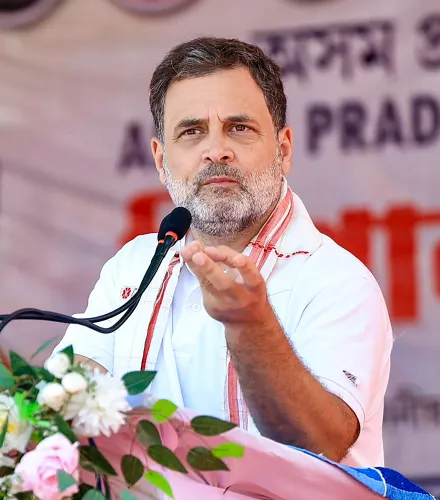
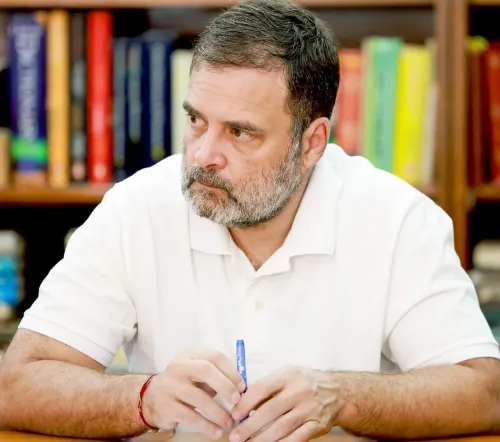
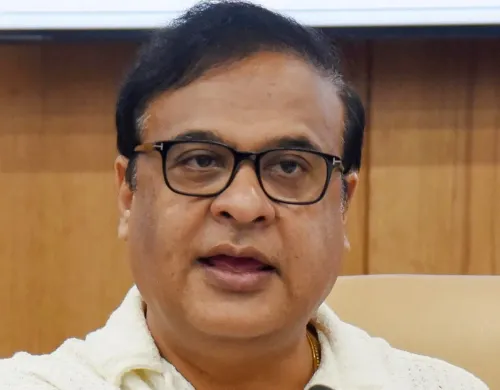
Assam Chief Minister Himanta Biswa Sarma on Monday, 12 October issued a sharp challenge to Congress leader Rahul Gandhi, demanding that Gandhi either call for the resignation of opposition-ruled state governments or declare an electoral boycott — if he truly believed that Chief Election Commissioner Gyanesh Kumar could not guarantee free and fair elections. The remarks, made in Guwahati, escalated the ongoing confrontation between the Bharatiya Janata Party (BJP) and the Indian National Congress (INC) over the credibility of the Election Commission of India (ECI).
The Core Challenge
Sarma questioned why Gandhi continued to participate in elections across states governed by the Congress and its allies if he considered the electoral process fundamentally compromised. Pointing specifically to recent state polls, Sarma said: 'Today, Rahul Gandhi is talking about the results of the Assam and Bengal elections,' and pressed the Congress leader to explain how those contests differed from any others held under the same poll authority.
The Assam Chief Minister went further, demanding that Gandhi call for the dissolution of Congress-governed administrations in Kerala, Jharkhand, Karnataka, Telangana, and Tamil Nadu — arguing that selective objections undermine the opposition's own argument.
The EVM and Consistency Argument
Sarma also challenged Gandhi to publicly announce that Congress would not contest future elections in Uttar Pradesh, Punjab, Goa, Manipur, and Uttarakhand as long as Gyanesh Kumar remained Chief Election Commissioner. He further questioned whether Gandhi would refuse to form a government even if his party or alliance won an election conducted under the same electoral authority.
Accusing the Congress of applying double standards, Sarma said: 'You win an election, and the EVMs are fine; I win an election, and the election is bad' — framing the opposition's approach as selective legitimacy that accepts verdicts only when favourable.
Attack on Gandhi's Constitutional Position
The Assam CM also turned the argument toward Gandhi's standing as Leader of the Opposition, pointing out that Gandhi attained that post through the very electoral system he now publicly criticises. Sarma alleged that Gandhi was attempting to discredit constitutional institutions rather than accepting democratic verdicts and working to strengthen his party's political performance.
Broader BJP-Congress Flashpoint
The remarks come as Congress has stepped up its campaign questioning the functioning and impartiality of the Election Commission. While the opposition has raised concerns about electoral transparency, the BJP has consistently countered that the Congress selectively questions the process only when it loses. This is the latest in a series of public exchanges between the two parties over the ECI's role — a dispute that critics argue risks eroding public trust in democratic institutions regardless of which side prevails rhetorically.
With multiple state elections on the horizon, the political temperature around the Election Commission's credibility is unlikely to cool soon.
Point of View
Reject losses' argument scores debating points, but it sidesteps substantive concerns about structural reforms to the ECI that opposition parties and civil society groups have raised for years. More consequentially, both sides' conduct in this standoff risks normalising the delegitimisation of electoral outcomes — a pattern that, once entrenched, is difficult to reverse regardless of who governs. The real casualty of this exchange is not the BJP or Congress, but the voter's confidence in the institution itself.
NationPress
12 Oct 2026
Frequently Asked Questions
What did Assam CM Himanta Biswa Sarma challenge Rahul Gandhi to do?
Sarma challenged Rahul Gandhi to either demand the resignation of opposition-governed state governments — including those in Kerala, Karnataka, and Tamil Nadu — or announce an electoral boycott, if Gandhi genuinely believed that Chief Election Commissioner Gyanesh Kumar could not ensure free and fair elections. He argued the Congress could not selectively question electoral outcomes only when it lost.
Why is the Congress criticising the Election Commission of India?
Congress has raised concerns about the functioning and impartiality of the Election Commission of India, questioning the credibility of the electoral process and the role of the Chief Election Commissioner. The party has specifically pointed to recent election results in states such as Assam and West Bengal as part of its broader critique.
What is the significance of Sarma's 'EVMs are fine' remark?
Sarma's statement — 'You win an election, and the EVMs are fine; I win an election, and the election is bad' — was aimed at highlighting what he described as the Congress's inconsistent approach to electoral legitimacy. It encapsulates the BJP's counter-argument that the opposition accepts results only when it wins and questions the process when it loses.
Who is Chief Election Commissioner Gyanesh Kumar?
Gyanesh Kumar is the current Chief Election Commissioner of India, the constitutional authority responsible for overseeing the conduct of elections across the country. He has become the focal point of the BJP-Congress dispute over electoral credibility, with the Congress raising questions about his impartiality.
What does this dispute mean for upcoming elections?
With several state elections on the horizon, the sustained public confrontation between the BJP and Congress over the Election Commission's credibility is likely to intensify. The dispute sets the stage for continued political battles over electoral transparency, EVM reliability, and the independence of constitutional institutions.