Assam CM Himanta Sarma cites Prophet Muhammad anecdote to challenge Rahul Gandhi over CEC row
Synopsis
Assam CM Himanta Biswa Sarma turned a Prophet Muhammad anecdote into a political weapon on 12 October, challenging Rahul Gandhi to ask Congress-allied governments to resign before criticising the Chief Election Commissioner — and daring him to declare he won't contest in UP if Gyanesh Kumar stays on. It is the sharpest BJP counter yet in the escalating Election Commission row.
Key Takeaways
Assam CM Himanta Biswa Sarma invoked a Prophet Muhammad anecdote on 12 October 2026 to argue that leaders must practise what they preach.
Sarma directed the moral at Rahul Gandhi over Gandhi's criticism of Chief Election Commissioner Gyanesh Kumar .
He challenged Gandhi to first seek resignations of Congress and allied governments in Kerala, Jharkhand, Karnataka, Telangana , and Tamil Nadu .
Sarma dared Gandhi to publicly declare he would not contest in Uttar Pradesh if Gyanesh Kumar remains CEC.
The exchange adds to a widening BJP-Congress confrontation over the independence of the Election Commission of India .
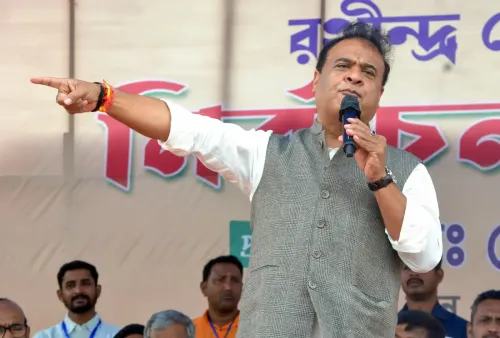
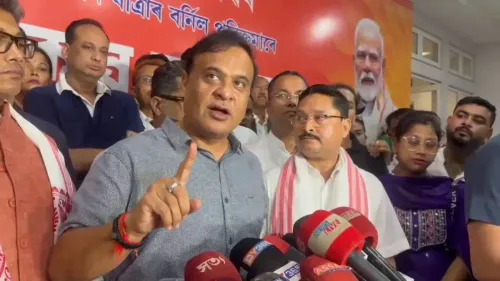
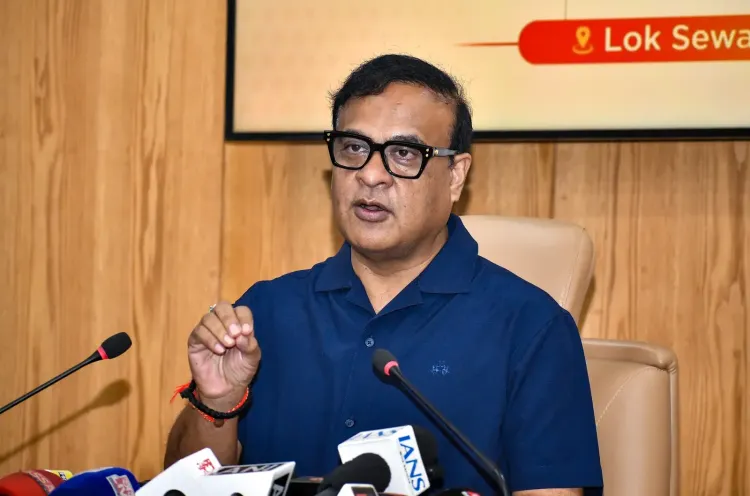
Assam Chief Minister Himanta Biswa Sarma on Monday, 12 October invoked a well-known anecdote involving Prophet Muhammad to argue that political leaders must practise what they preach — directing the moral squarely at Leader of the Opposition in Lok Sabha Rahul Gandhi over his criticism of Chief Election Commissioner Gyanesh Kumar. Sarma made the remarks while addressing reporters in Guwahati, framing the religious story as the centrepiece of his rebuttal.
The Anecdote Sarma Narrated
Sarma recounted a story in which a mother approached Prophet Muhammad requesting that he advise her child to stop consuming too many sweets. According to Sarma's account, the Prophet asked the mother and child to return after three days before he would offer any counsel. When the mother subsequently asked why he had not given the advice at the first meeting, the Prophet reportedly explained that he himself had been eating sweets and wanted to overcome the habit first before guiding the child against it.
Sarma cited the anecdote to underline the principle that personal example and consistency between one's words and actions must precede any advice or criticism directed at others.
Sarma's Challenge to Rahul Gandhi
Drawing a direct parallel with the ongoing political confrontation over the Election Commission, Sarma questioned whether Rahul Gandhi was applying that same standard to himself. He urged the Congress leader to first call on state governments led by the Indian National Congress (Congress) and its alliance partners to resign before levelling criticism at the poll body or its chief.
Sarma specifically named Kerala, Jharkhand, Karnataka, and Telangana, and also referred to Tamil Nadu, challenging Gandhi to seek the resignation of governments run by his party or its allies in those states. The argument, as Sarma framed it, was that demanding accountability from the Election Commission while benefiting from electoral outcomes in opposition-ruled states is inconsistent.
The Sharpest Gauntlet
Sarma escalated his challenge further by asking Rahul Gandhi to publicly declare that he would not contest the upcoming election in Uttar Pradesh if Gyanesh Kumar continued as the Chief Election Commissioner. The demand was framed as a test of whether Gandhi's stated concerns about the CEC's neutrality were substantive or political posturing.
Broader Political Context
The remarks come amid an intensifying standoff between the Congress and the ruling establishment over the functioning of the Election Commission and the conduct of the Chief Election Commissioner. The Congress has been vocal in its criticism of Gyanesh Kumar, raising questions about the poll body's independence. The Bharatiya Janata Party (BJP) and its allies have consistently pushed back, accusing the opposition of undermining democratic institutions when electoral outcomes do not favour them.
Sarma's choice to anchor his rebuttal in a religious anecdote rather than a procedural counter-argument reflects an increasingly personalised tone in the BJP-Congress exchange over electoral institutions — a trend that shows little sign of abating as India approaches a crowded electoral calendar.
Point of View
Which lets the BJP sidestep scrutiny of the Election Commission's actual conduct. The demand that Gandhi renounce the UP contest is an escalation designed to force an unwinnable choice. Yet the underlying Congress critique — about the CEC's independence — remains unaddressed by this riposte. Reducing a structural governance debate to a game of 'you go first' risks letting both sides off the hook for the substantive question of how India safeguards the credibility of its electoral machinery.
NationPress
12 Oct 2026
Frequently Asked Questions
What did Assam CM Himanta Biswa Sarma say about Rahul Gandhi and the CEC?
Sarma challenged Rahul Gandhi's criticism of Chief Election Commissioner Gyanesh Kumar by invoking a Prophet Muhammad anecdote about practising what you preach. He urged Gandhi to first call on Congress-run and allied state governments to resign before questioning the Election Commission.
What is the Prophet Muhammad anecdote that Sarma narrated?
Sarma recounted a story in which a mother asked the Prophet to advise her child against eating sweets. The Prophet asked them to return after three days, explaining he first needed to overcome his own sweet-eating habit before counselling others — a lesson, Sarma argued, about consistency between words and actions.
Which states did Sarma name in his challenge to Rahul Gandhi?
Sarma specifically referred to Kerala, Jharkhand, Karnataka, Telangana, and Tamil Nadu — states governed by the Congress or its alliance partners — and challenged Gandhi to seek the resignation of those governments if he genuinely believed the Election Commission was compromised.
What was Sarma's sharpest demand of Rahul Gandhi?
Sarma asked Gandhi to publicly declare that he would not contest the upcoming election in Uttar Pradesh if Gyanesh Kumar continued as Chief Election Commissioner, framing it as a test of whether Gandhi's concerns were genuine or politically motivated.
Why is there a political row over the Chief Election Commissioner?
The Congress has been critical of CEC Gyanesh Kumar, raising concerns about the Election Commission's independence. The BJP and its allies have defended the poll body, accusing the opposition of undermining democratic institutions. The dispute has intensified ahead of an upcoming electoral cycle.