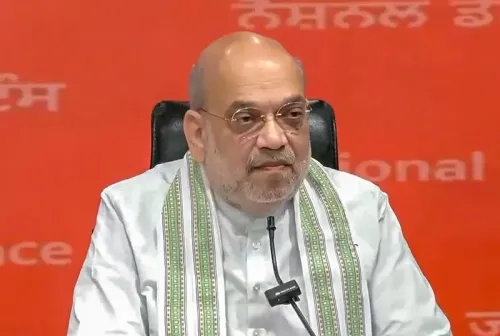
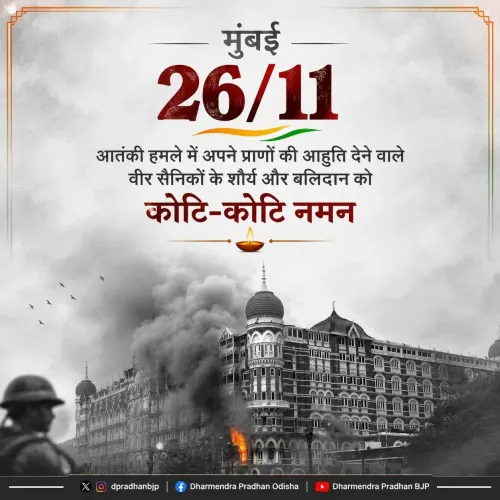
Home Minister Amit Shah pays tribute to 26/11 martyrs

Synopsis
Union Home Minister Amit Shah marked the anniversary of the 2008 Mumbai attacks by saluting the jawans who died fighting the gunmen and paying homage to the 166 people killed. He called terrorism the most heinous crime against humanity and said the Modi government's zero-tolerance policy is drawing global appreciation as India takes a leading role against terror.
Key Takeaways
Union Home Minister Amit Shah on 26 November paid tribute to jawans and civilians killed in the 2008 Mumbai attacks.
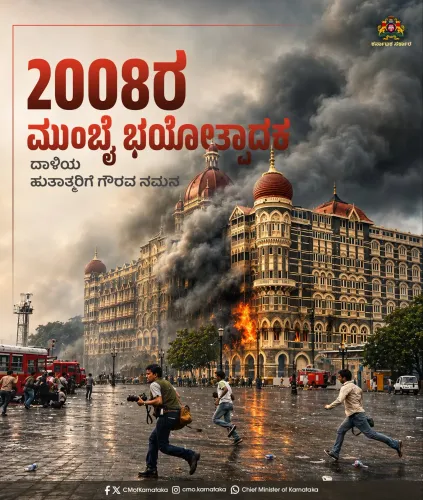
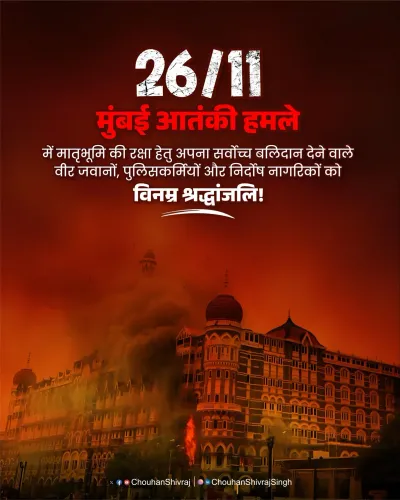
The 26/11 siege, from 26 to 29 November 2008, killed 166 people across multiple Mumbai locations.
Shah called terrorism the most heinous crime against humanity and saluted those who died fighting the attackers.
He said the Modi government's zero-tolerance policy against terror is drawing global appreciation.
The National Investigation Agency was created in December 2008 in direct response to the attacks.
On 26 November, the anniversary of the 2008 Mumbai attacks, Union Home Minister Amit Shah saluted the security personnel who laid down their lives fighting the gunmen and paid homage to every innocent person killed in the siege. He called the assault a cowardly terrorist attack that had shaken the entire country. Terrorism, he said, is the most heinous crime against humanity.
Writing in Hindi on X, Shah said that on this very day in 2008 the cowardly terrorist attack on Mumbai had left the whole country shaken. He offered naman (a salute) to the brave jawans who died giving the attackers a crushing reply, and shraddhanjali (a tribute) to all the innocent people who lost their lives.
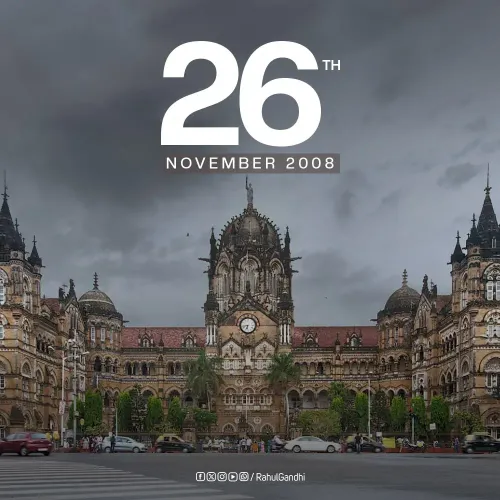
The coordinated assault began on 26 November 2008 and ran until 29 November. It killed 166 people — civilians and security personnel — across multiple sites in India's financial capital.
166 dead across a four-day Mumbai siege
Gunmen struck hotels, a railway terminus, a hospital, a cafe and other crowded locations, holding the city under fire for nearly four days. For the families of the dead and for the units that fought the attackers, the date remains a roll of names, not a slogan.
The siege forced a rewrite of India's federal terror machinery. In December 2008, Parliament created the National Investigation Agency so that terror cases would no longer rest only with city police. That law is still the institutional shadow of 26/11.
Zero tolerance after the NIA's birth
Shah then tied memory to policy. He said the government of Prime Minister Narendra Modi is winning worldwide appreciation for a 'zero tolerance' line against terror, and that India is now playing a leading role in the global fight while taking decisive action against every form of terror and every conspiracy.
Since 2014, New Delhi has consistently projected a shift toward proactive counter-terror measures and louder advocacy against cross-border terrorism. Anniversary posts on 26/11 have become a regular vehicle for that argument — linking the night Mumbai burned to a claim of global leadership against terror in all its forms.
The Home Minister did not add operational detail. He did not need to. The sequence was the point: first the salute, then the doctrine.
A date that still organises India's security politics
The people who still carry this date are not abstract. They are the families of the 166 and the forces who still train for urban siege. Shah's message kept both in frame — reverence for the dead, and a restatement that terrorism is not a crime India will bargain with.
Mumbai still keeps the silence of that November. Shah's tribute placed that silence at the centre of the country's counter-terror creed.
Point of View
Tying the memory of Mumbai to a claim of doctrinal change after 2014. Shah's post follows that pattern: first the salute to the dead, then the assertion that zero tolerance is now both domestic practice and a global talking point. The NIA, born in the weeks after the siege, remains the institutional marker of that shift from city police investigation to a federal terror mandate. The next beat to watch is whether the remembrance is followed by any concrete pitch at multilateral forums or in Parliament on pending security law.
NationPress
26 Nov 2026
Frequently Asked Questions
What did Amit Shah say on the 26/11 anniversary?
Union Home Minister Amit Shah saluted the jawans who died fighting the 2008 Mumbai attackers and paid tribute to all innocent victims. He called terrorism the most heinous crime against humanity and said India is taking decisive action against every form of terror.
How many people were killed in the 2008 Mumbai attacks?
The coordinated 26/11 attacks killed 166 people, including civilians and security personnel. The siege ran from 26 to 29 November 2008 across multiple locations in Mumbai.
When did the 26/11 Mumbai terror attacks take place?
The attacks began on 26 November 2008 and continued until 29 November 2008. They remain one of the deadliest terror operations on Indian soil.
Why was the National Investigation Agency set up?
The National Investigation Agency was created by legislation in December 2008 in direct response to the Mumbai attacks. It was designed to strengthen federal investigation of terror cases.
What is the zero-tolerance policy on terrorism mentioned by Amit Shah?
Shah said the Modi government's zero-tolerance policy against terror is being appreciated worldwide. He added that India is playing a leading role in the global fight against terrorism and taking decisive action against every form of terror and every conspiracy.