HP CM Office: Electric Buses Cheaper Than Diesel, Key to Self-Reliance
Synopsis
The Chief Minister's Office of Himachal Pradesh has stated that electric buses are more economical than diesel alternatives and central to the state's self-reliance vision, aligning with India's broader fleet electrification push under the FAME scheme.
Key Takeaways
The Chief Minister's Office of Himachal Pradesh declared on 30 July 2026 that electric buses have lower operating costs than diesel buses.
The state frames fleet electrification as part of its broader goal of self-reliance (aatmanirbharta) .
Himachal Pradesh's hydro power generation gives it a structural cost advantage in running electric fleets.
India's FAME scheme (launched 2015) provides central incentives supporting this state-level shift.
Multiple Indian states have already moved toward electric public bus fleets to cut fuel and maintenance costs.
Budget allocations and procurement tenders will be the key next signal of how far the policy commitment goes.
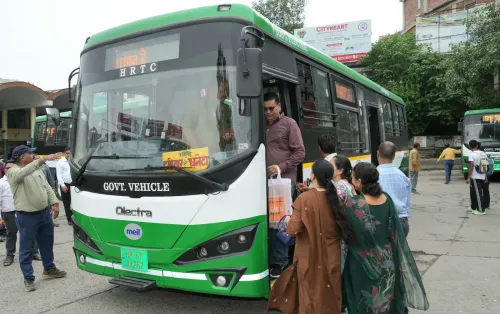
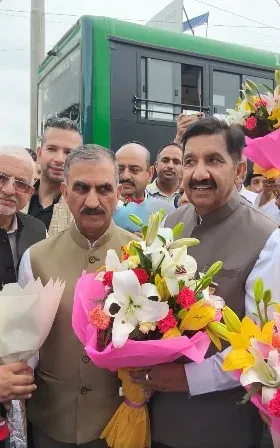
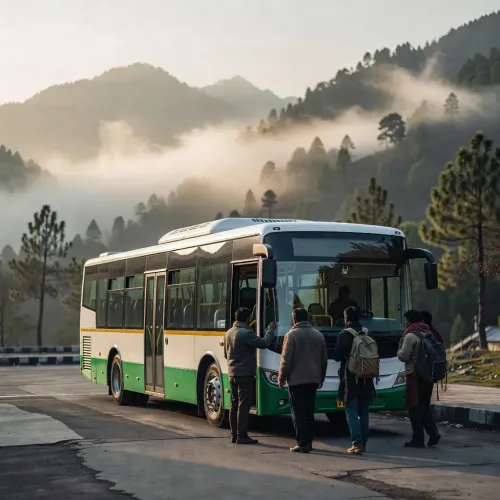
Electric buses are not just greener — in Himachal Pradesh, the government now says they are simply cheaper. The Chief Minister's Office of Himachal Pradesh declared on Thursday, 30 July 2026 that electric buses cost significantly less to operate than their diesel counterparts, framing the shift as central to the state's vision of self-reliance.
The official post stated: 'डीजल बसों की तुलना में इलेक्ट्रिक बसें अधिक किफायती हैं' — 'Electric buses are more economical than diesel buses, because their operating costs are lower, while diesel buses cost more. We have adopted this thinking from the perspective of making the state self-reliant.'
The Cost Arithmetic Behind the Switch
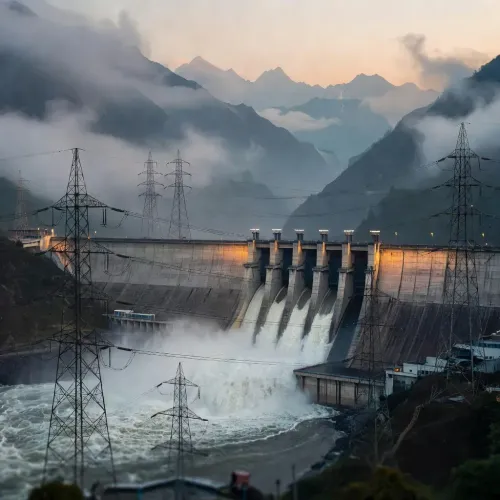
The argument is straightforward: diesel is expensive, imported, and volatile in price. Electric buses, once procured, run on power that can be sourced domestically — and in a state like Himachal Pradesh, which generates substantial hydroelectric power, that advantage is sharper than almost anywhere else in India. Lower fuel bills and reduced maintenance from fewer moving parts make the total cost of ownership tilt decisively toward electric over time. This is not a new calculation nationally. Multiple Indian states have been electrifying public bus fleets under the logic that upfront procurement costs are offset by long-term savings. India's FAME (Faster Adoption and Manufacturing of Electric Vehicles) scheme, launched in 2015, has provided central incentives to accelerate exactly this kind of state-level transition.Hilly Terrain, National Pattern
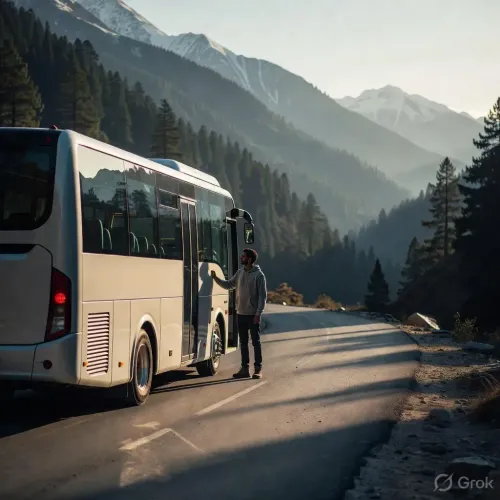
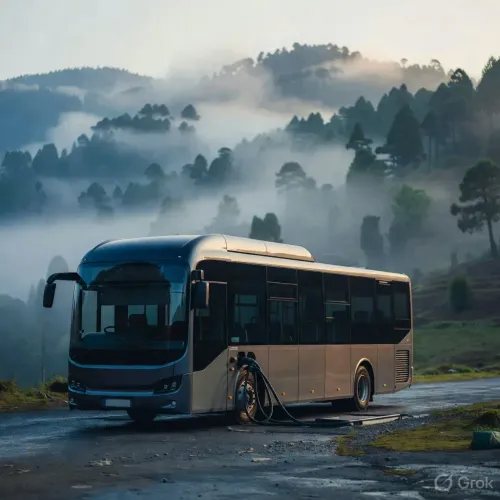
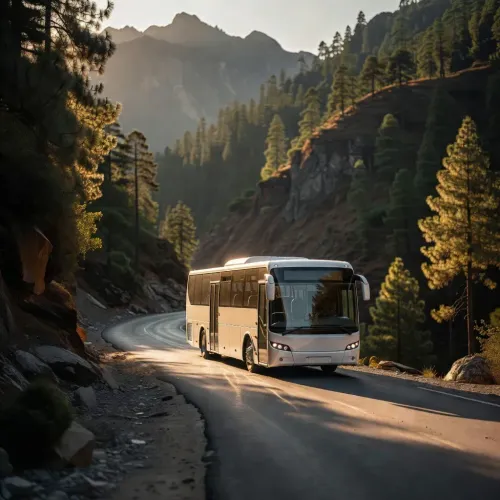
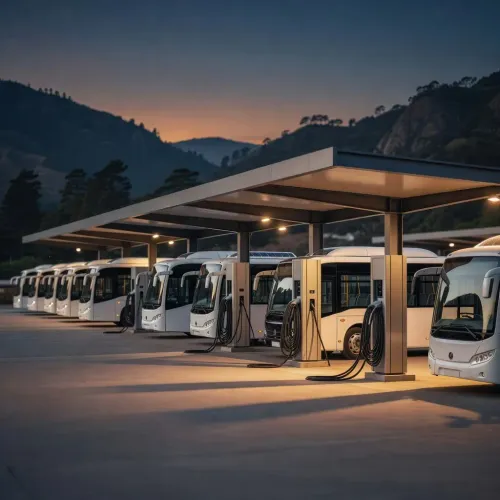
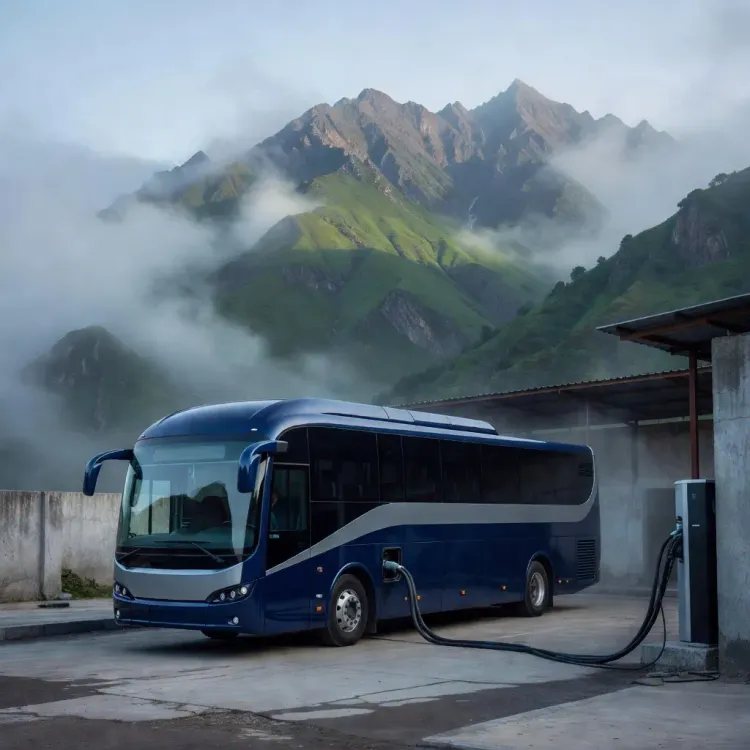
What makes Himachal Pradesh's move notable is the terrain. Mountain routes are demanding on engines and brakes — conditions that historically made diesel the default for reliability. The state's willingness to back electric buses on such routes signals growing confidence in the technology's maturity. It also fits a broader national pattern: states from Delhi to Kerala have pushed electric bus fleets as a way to cut oil import dependence and lower urban and inter-city emissions simultaneously. The 'self-reliance' framing the CMO uses is deliberate. Diesel is a price-taker on global markets; electricity — especially hydro-generated electricity — is not. For a hill state with significant hydro assets, electrifying transport is as much an energy-security argument as an environmental one. The next indicator to watch: whether Himachal Pradesh backs this policy statement with budget allocations and tenders for electric bus procurement and charging infrastructure across its mountain corridors. Statements become strategies when the purchase orders follow.Point of View
Making it harder to oppose on cost grounds. Himachal Pradesh's hydropower base gives that argument genuine structural weight, unlike states reliant on coal-heavy grids. The statement fits a national pattern of state governments using EV adoption to reduce exposure to global diesel price volatility. Whether this translates into concrete procurement or remains aspirational rhetoric will define its actual policy legacy.
NationPress
13 Sept 2026
Frequently Asked Questions
Why is Himachal Pradesh switching to electric buses?
The Himachal Pradesh government says electric buses cost less to operate than diesel buses and support the state's goal of self-reliance by reducing dependence on imported fuel.
Are electric buses cheaper than diesel buses in India?
Yes, in terms of running costs — electricity is cheaper per kilometre than diesel, and electric buses require less maintenance. Upfront purchase costs are higher, but long-term savings favour electric.
What is India's FAME scheme for electric buses?
India's FAME (Faster Adoption and Manufacturing of Electric Vehicles) scheme, launched in 2015 , provides central government incentives to states and cities for procuring electric buses and other EVs.
How does Himachal Pradesh's terrain affect electric bus adoption?
Mountain routes are demanding, but the state's hydroelectric power generation gives it cheaper electricity, making electric buses particularly cost-effective compared to diesel in hilly conditions.
Which Indian states have adopted electric buses?
Multiple states including Delhi and Kerala have electrified portions of their public bus fleets, driven by lower fuel costs and national incentives under the FAME scheme.