HP CM Sukhu Offers 50% Subsidy on Electric Buses for Youth
Synopsis
Chief Minister Sukhvinder Singh Sukhu announced a 50 per cent subsidy on electric buses and 30 per cent on diesel buses for Himachal Pradesh youth, enabling self-employment in transport and a stable income — combining green mobility goals with livelihood creation in the hill state.
Key Takeaways
Himachal Pradesh is offering 50% subsidy on electric buses and 30% on diesel buses for youth seeking self-employment in transport.
The announcement was made by CM Thakur Sukhvinder Singh Sukhu on 15 August 2026 .
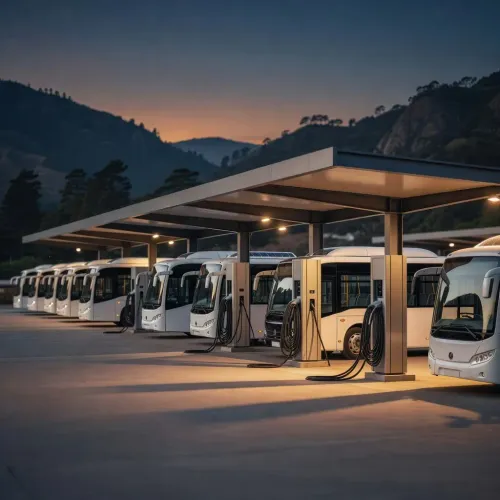
The higher subsidy on EVs is a deliberate incentive to steer youth toward greener transport options.
The scheme targets permanent income generation through bus ownership and operation, not short-term employment.
Scheme guidelines, budget allocation, and application process details are yet to be publicly released by the state transport department.
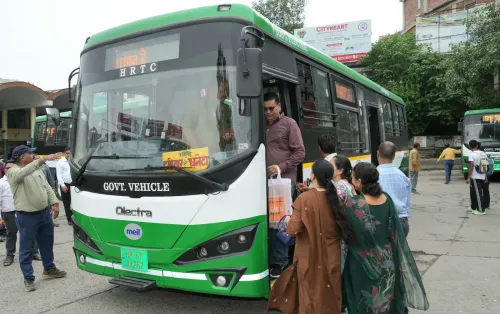
Young entrepreneurs in Himachal Pradesh now have a direct government lever to enter the transport business — a 50 per cent subsidy on electric buses and 30 per cent on diesel buses, announced by Chief Minister Thakur Sukhvinder Singh Sukhu to help youth create a stable, self-sustaining income through self-employment in the transport sector.
What Sukhu announced — in his own words
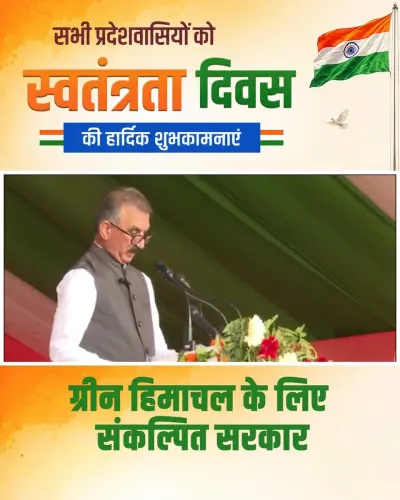
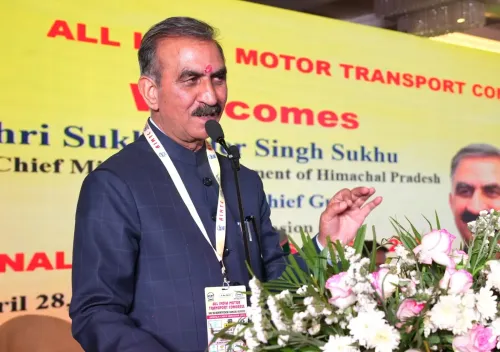
Posting on Saturday, 15 August 2026, the Chief Minister's Office of Himachal Pradesh quoted CM Sukhu directly: 'युवाओं को इलेक्ट्रिक बसों के लिए 50 प्रतिशत और डीजल बसों के लिए 30 प्रतिशत सब्सिडी दी जा रही है' — 'Youth are being given 50 per cent subsidy on electric buses and 30 per cent on diesel buses, so they can start their own employment in the transport sector and build a permanent source of income.' The higher incentive for electric vehicles is a deliberate tilt: greener choice, bigger reward.
Why Himachal Pradesh is fertile ground for this push
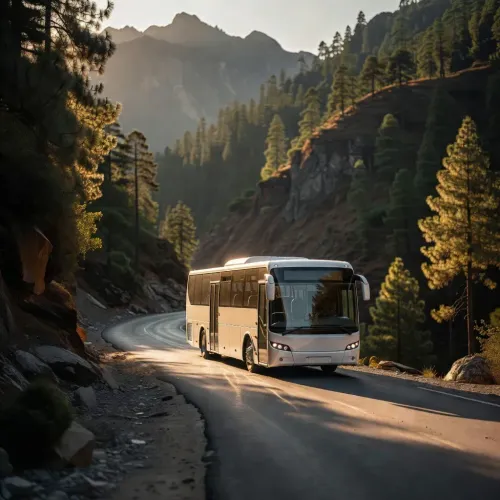
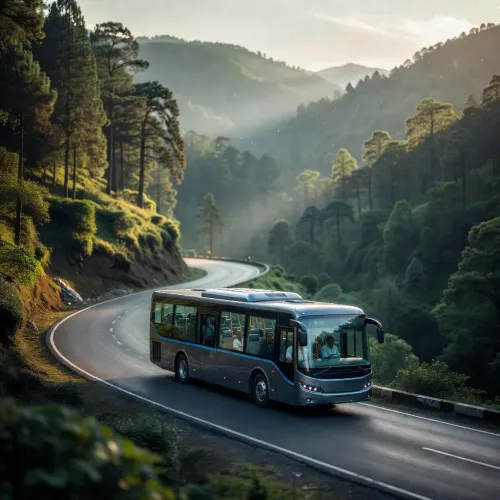
Himachal Pradesh is an ecologically sensitive hill state where tourism and terrain together make public transport both commercially viable and environmentally consequential. State governments across India have increasingly coupled youth entrepreneurship schemes with electric-vehicle adoption — but the combination of a 50 per cent EV subsidy in a mountain economy is a sharper bet than most. For a young person in a district with limited job markets, owning and operating a bus route is not a side hustle — it is a livelihood architecture.
CM Sukhu, who has led the state since December 2022 under the Indian National Congress, has positioned green mobility as a twin-track policy: cut emissions in fragile Himalayan valleys while simultaneously pulling youth into formal economic participation. The diesel-bus option at 30 per cent subsidy keeps the scheme accessible to those in areas where EV charging infrastructure may not yet be ready.
The gap the scheme is trying to close
Capital cost has historically been the single biggest barrier keeping youth out of bus ownership. A brand-new electric bus can run well into the tens of lakhs — a number that shuts out most first-generation entrepreneurs without inherited assets or easy credit. A 50 per cent state subsidy restructures that equation fundamentally. Whether the application process and disbursement mechanism are smooth enough to match the policy's ambition is the next question — scheme guidelines and budget allocations are yet to be publicly detailed by the transport department.
If the implementation holds, Himachal Pradesh could offer a replicable model for hill states looking to green their fleets and employ their youth in the same stroke. That is a policy double-play worth watching.
Point of View
The Sukhu government is using price signals rather than prohibition to accelerate the EV transition in ecologically sensitive Himalayan terrain. The real test will be implementation: subsidy-heavy transport schemes in India have historically stumbled on delayed disbursements and opaque selection criteria. If the delivery mechanism is clean, this becomes a template other mountain states will replicate.
NationPress
30 Sept 2026
Frequently Asked Questions
What subsidy is Himachal Pradesh giving youth for electric buses?
The Himachal Pradesh government is offering a 50 per cent subsidy on electric buses for youth who want to start self-employment in the transport sector.
What is the subsidy for diesel buses in Himachal Pradesh for youth?
Youth in Himachal Pradesh can avail a 30 per cent subsidy on diesel buses under the scheme announced by Chief Minister Sukhvinder Singh Sukhu.
Who announced the bus subsidy scheme in Himachal Pradesh?
Chief Minister Thakur Sukhvinder Singh Sukhu announced the subsidy scheme, as quoted by the Chief Minister's Office of Himachal Pradesh on 15 August 2026.
What is the purpose of Himachal Pradesh's youth bus subsidy?
The scheme aims to help young people start self-employment in the transport sector and build a permanent, stable source of income by reducing the capital cost of buying a bus.
How can youth apply for the electric bus subsidy in Himachal Pradesh?
Application process and eligibility details are yet to be officially notified by the Himachal Pradesh transport department; prospective applicants should watch for official government notifications.