HP Govt Buys 8,000 MT of Apples Under MIS, 17,000 Growers Register

Synopsis
Himachal Pradesh has procured over 8,000 metric tonnes of apples and registered more than 17,000 orchardists under the Market Intervention Scheme as of 24 September 2026, with 213 HPMC collection centres active until 31 October.
Key Takeaways
More than 8,000 metric tonnes of apples have been procured under Himachal Pradesh's Market Intervention Scheme (MIS) so far this season.
Over 17,000 orchardists have registered on the HPMIS portal to participate in the scheme.
The procurement window runs from 1 August to 31 October 2026 .
213 collection centres operated by HPMC are handling fruit intake across the state.
The MIS activates central-government powers to fix procurement prices when open-market rates fall below production costs.
Himachal Pradesh has used similar MIS operations in previous years, including 2022-23 , making this a recurring support mechanism for hill orchardists.
More than 8,000 metric tonnes of apples have already been procured by the Himachal Pradesh government under the Market Intervention Scheme (MIS) — and with the season running until 31 October 2026, that number is still climbing. Over 17,000 orchardists have registered on the HPMIS portal, signalling the scale of grower participation in what is one of the state's most consequential annual safety nets for hill farmers.
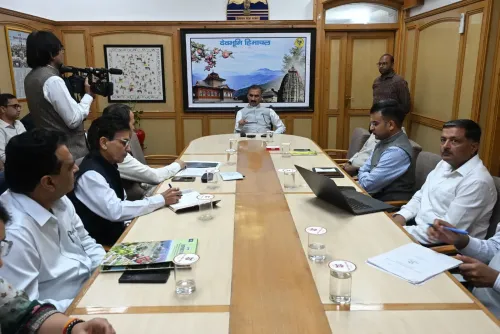
The Chief Minister's Office of Himachal Pradesh shared the update on Thursday, 24 September 2026, confirming that the procurement window — open from 1 August to 31 October 2026 — is being executed through 213 collection centres operated by the Himachal Pradesh Horticultural Produce Marketing and Processing Corporation (HPMC) across the state.
What the Market Intervention Scheme actually does for apple growers
The Market Intervention Scheme is a central government mechanism that allows states to step in and procure perishable crops at a fixed price when open-market rates fall below the cost of production. For Himachal Pradesh, where horticulture underpins a large share of rural livelihoods in hill districts, the scheme is not an exception — it is an annual lifeline.
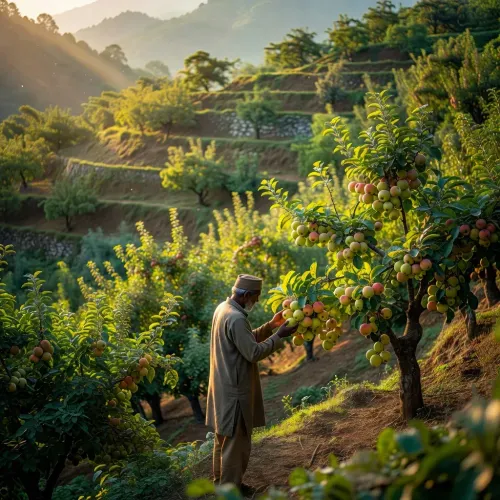
Apple cultivation in the state is inherently vulnerable: weather shocks, bumper harvests that flood markets, and long distances to consuming centres routinely combine to push farmgate prices below viable levels. Private traders, facing the same glut, have little incentive to absorb the surplus. That is precisely the market failure the MIS is designed to correct.
HPMC's 213 centres and the portal driving participation
HPMC, the state's nodal agency for fruit procurement, storage, and marketing, is running the collection infrastructure across all 213 designated centres. The parallel HPMIS portal has been the entry point for growers this season, and the 17,000-plus registrations recorded so far reflect both the reach of the digital system and the urgency felt by orchardists to lock in guaranteed off-take.
Himachal Pradesh has activated similar MIS operations in previous years — including during the 2022-23 season — establishing a pattern of recurring state support that small orchardists in remote hill districts have come to depend upon when market conditions deteriorate.
What the final tally will reveal
With five weeks left in the procurement window, the 8,000 metric tonne figure is a mid-season snapshot, not the closing number. The total volume absorbed by 31 October, the utilisation rate of cold-storage and processing capacity, and whether price stabilisation holds through the remainder of the harvest will together determine how effectively the scheme delivered on its promise this year.
For tens of thousands of families whose income arrives in a narrow autumn window, the answer to that question is not abstract — it is the difference between a viable season and a distress one.
Point of View
Regardless of party, have acknowledged by repeatedly activating the MIS. The 17,000-plus portal registrations also signal improving digital reach into remote orchard belts, which matters for targeting future interventions. The real test, however, comes at season close: if the 213-centre network absorbs a significant share of the surplus, it reinforces the case for permanent procurement infrastructure rather than ad hoc seasonal activation. If storage and processing capacity bottlenecks emerge, they will feed a familiar political argument about the gap between scheme announcements and on-ground delivery.
NationPress
24 Sept 2026
Frequently Asked Questions
What is the Market Intervention Scheme for apples in Himachal Pradesh?
The Market Intervention Scheme (MIS) is a central government mechanism that allows state governments to procure perishable crops like apples at a fixed price when open-market rates fall below production costs, protecting growers from distress sales.
How many apples has the HP government bought under MIS in 2026?
As of 24 September 2026, the Himachal Pradesh government has procured more than 8,000 metric tonnes of apples under the Market Intervention Scheme.
How can apple growers register for the HPMIS portal?
Orchardists can register on the HPMIS portal, the state's online platform for the Market Intervention Scheme; over 17,000 growers had already registered by 24 September 2026.
Until when is apple procurement under MIS 2026 open in Himachal Pradesh?
The procurement window under the Market Intervention Scheme runs from 1 August to 31 October 2026.
What is HPMC and what role does it play in apple procurement?
HPMC is the Himachal Pradesh Horticultural Produce Marketing and Processing Corporation, the state agency responsible for operating the 213 collection centres where apples are bought from growers under the MIS.