Jal Shakti Minister Paatil showcases JJM at 9th India Water Week
Synopsis
Union Jal Shakti Minister C. R. Paatil used the 9th India International Water Week to present the Jal Jeevan Mission — launched in August 2019 to deliver tap water to every rural household — as a replicable global model, crediting Prime Minister Modi's leadership for the scheme's reach.
Key Takeaways
Union Jal Shakti Minister C.
Paatil posted on September 24, 2026 , highlighting the 9th India International Water Week as a platform for India's water governance experience.
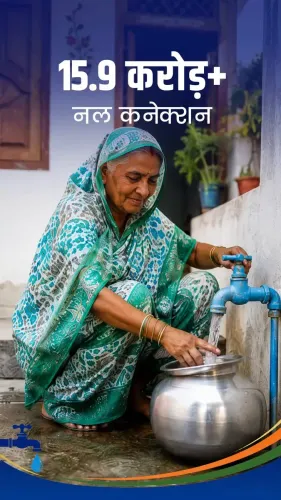
The Jal Jeevan Mission was launched in August 2019 with the goal of providing tap water connections to every rural household in India.
The scheme operates under the Ministry of Jal Shakti as a centrally-sponsored programme, with state governments as co-implementers.
Paatil framed the mission as a global model under the theme 'Jan Shakti se Jal Shakti' — from people power to water power.
The positioning follows a pattern of the Modi government showcasing domestic welfare schemes as replicable models at international forums since 2014 .
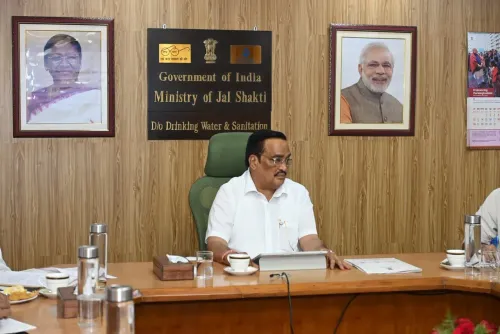
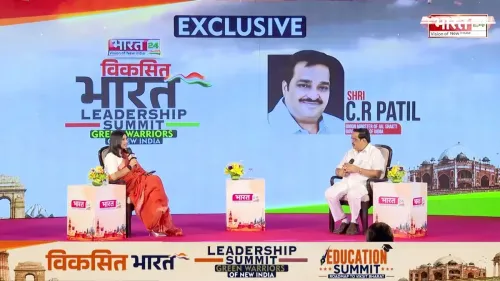
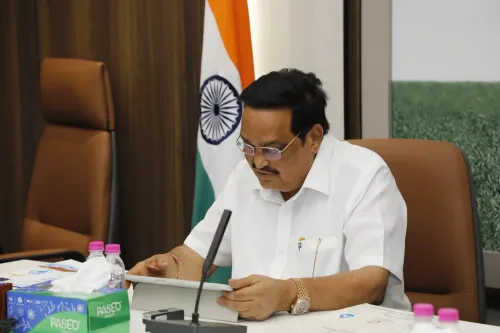
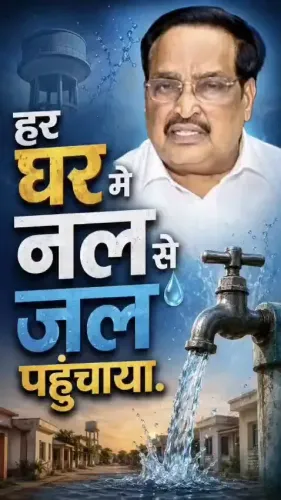
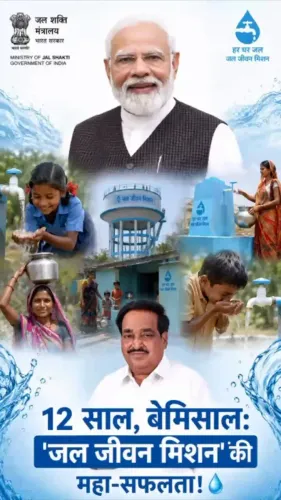
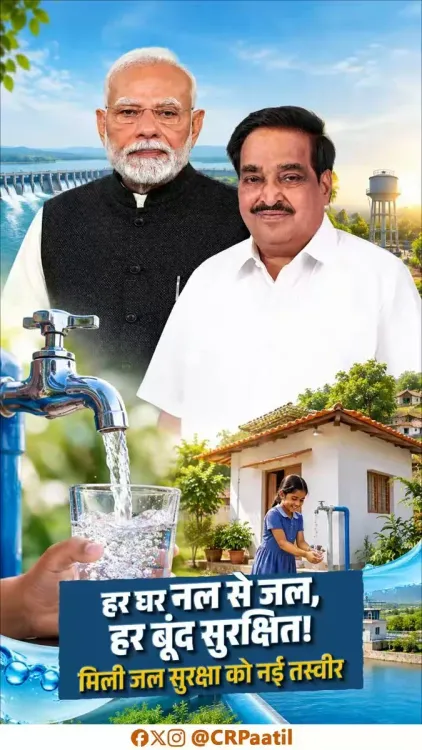
India's flagship rural water mission stepped onto a global stage on Thursday, September 24, 2026, as Union Jal Shakti Minister C. R. Paatil declared that the Jal Jeevan Mission has set a new milestone in water management — presenting India's ground-level implementation experience to the world at the 9th India International Water Week.
Posting in Hindi under the banner 'Jan Shakti se Jal Shakti' ('From People Power to Water Power'), Paatil framed the event as India's moment to demonstrate that large-scale rural infrastructure is not just a domestic achievement — it is a replicable model for the world. 'Under the visionary leadership of Prime Minister Narendra Modi,' he wrote, 'the Jal Jeevan Mission is today bringing a historic transformation to the living standards of rural India.'
What the Jal Jeevan Mission set out to do
Announced in the 2019 Union Budget and launched in August 2019, the Jal Jeevan Mission was built around a single, audacious promise: a functional tap water connection to every rural household in India. The programme operates under the Ministry of Jal Shakti as a centrally-sponsored scheme, drawing in state governments as co-implementers and rural communities as the last-mile custodians of the infrastructure.
The scale is hard to overstate. India's rural landscape — hundreds of thousands of villages, uneven terrain, patchy groundwater tables — made universal piped water coverage one of the most logistically complex undertakings in the country's post-independence history. The mission's ambition was precisely that complexity, tackled at speed.
Why an international water forum matters for this narrative
The India International Water Week is a recurring platform India uses to convene governments, technologists and policymakers around water security. Hosting it gives New Delhi a natural stage to position domestic schemes as exportable governance models — and that is exactly what Paatil's post signals.
The move fits a deliberate pattern the Modi government has refined since 2014: presenting programmes like the Swachh Bharat sanitation drive, the PM Awas housing mission and the Saubhagya electrification push not merely as welfare delivery, but as proof-of-concept for large-democracy governance. Water, now, is the next chapter in that exhibition.
From village pipes to a global pitch
For Paatil, a senior BJP leader and former Gujarat state president who now stewards the Jal Shakti portfolio, the forum is both a policy report card and a soft-power opportunity. Framing rural tap connections as a gift of 'jan shakti' — people power — to the nation's water security aligns the ministry's technical work with the government's broader language of grassroots empowerment.
The ministry periodically releases progress reports tracking connections added, villages covered and water quality metrics. Those numbers, shared at a multilateral forum, are the currency Paatil is spending this week.
India walks away from the 9th Water Week with its water mission at centre-stage. Whether other countries take the model home is the question that will define whether this week was a showcase or a turning point.
Point of View
The ministry is signalling that India's water governance story is ready for export — not just admiration. This matters because developing nations watching India's rural connectivity arc could adopt similar frameworks, lending New Delhi influence in global water diplomacy far beyond South Asia. The real test, however, is whether the mission's own periodic progress data backs the 'milestone' framing when scrutinised by international peers.
NationPress
24 Sept 2026
Frequently Asked Questions
What is the Jal Jeevan Mission?
The Jal Jeevan Mission is a flagship central government scheme launched in August 2019 under the Ministry of Jal Shakti. Its goal is to provide a functional tap water connection to every rural household in India.
What is the India International Water Week?
The India International Water Week is a recurring international forum hosted by India that brings together governments, policymakers and technologists to discuss water management, policy and technology. The 9th edition took place in September 2026.
Who is C. R. Paatil?
C. R. Paatil is the Union Minister of Jal Shakti and a senior BJP leader. He is a former president of the BJP's Gujarat state unit.
When was the Jal Jeevan Mission launched?
The Jal Jeevan Mission was announced in the 2019 Union Budget and formally launched in August 2019 by Prime Minister Narendra Modi.
Why is India showcasing the Jal Jeevan Mission at an international water forum?
India is presenting the mission's implementation experience as a replicable model for other countries, positioning its large-scale rural water infrastructure drive as evidence of effective governance at an international level.