HP CM's Office Addresses 77th Van Mahotsav in Bilaspur
Synopsis
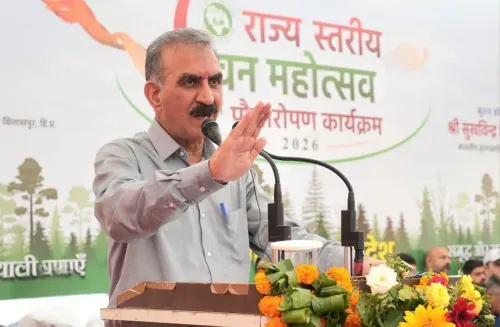
The Chief Minister's Office of Himachal Pradesh addressed the 77th State-Level Van Mahotsav at Rajkiya Varishth Madhyamik Vidyalaya, Dadhol, Bilaspur on 14 August 2026, calling forests the state's lifeline and framing conservation as a duty to future generations.
Key Takeaways
The 77th State-Level Van Mahotsav was held on 14 August 2026 at a government school in Bilaspur district, Himachal Pradesh .
The Chief Minister's Office described forests as the 'lifeline of Himachal Pradesh' and framed conservation as both a present responsibility and a future duty.
Van Mahotsav was originally launched in 1950 by Union Minister K.M.
Munshi to promote nationwide afforestation.
Himachal Pradesh has over 66% forest cover , making ecological stewardship central to the state's rivers, agriculture, and biodiversity.
The school venue in Bilaspur was chosen to maximise community outreach among forest-dependent populations.
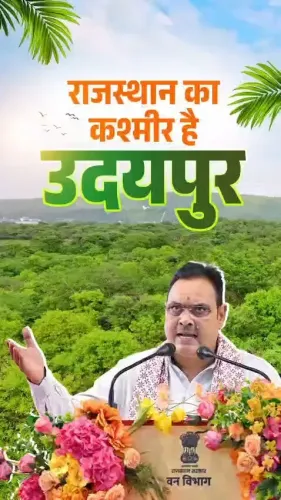
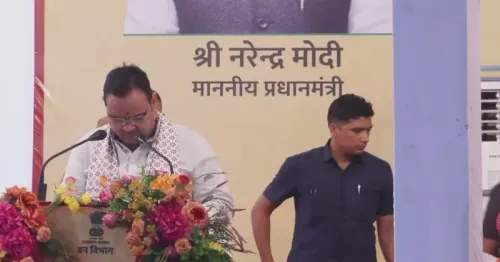
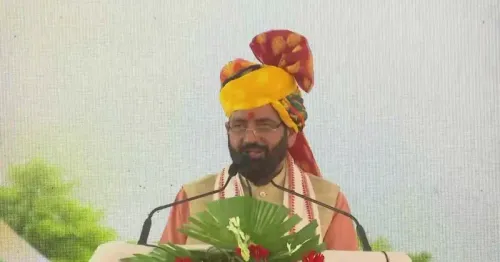
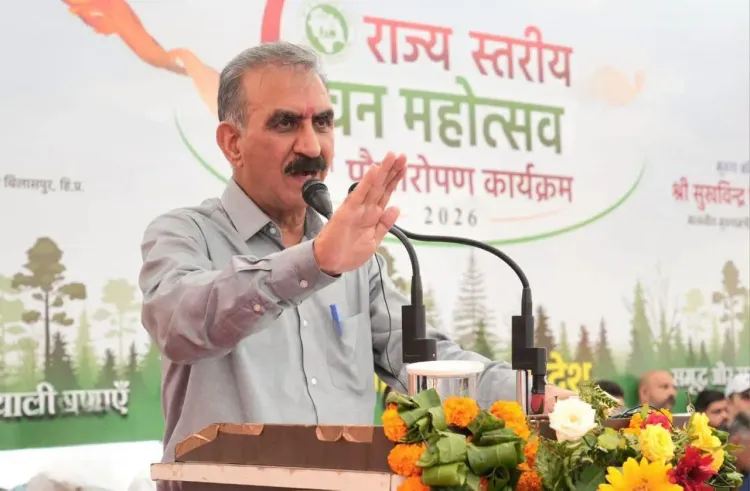
Forests are not a backdrop to Himachal Pradesh — they are its lifeline. On Friday, 14 August 2026, the Chief Minister's Office of Himachal Pradesh marked the 77th State-Level Van Mahotsav with a public address at Rajkiya Varishth Madhyamik Vidyalaya, Dadhol, in Bilaspur district — turning a school ground into a stage for one of the state's oldest ecological commitments.
The address, shared via the official CMO Himachal Pradesh account on X, carried a message that cut to the core: 'Hamare van Himachal Pradesh ki jeevanrekha hain' — 'Our forests are the lifeline of Himachal Pradesh.' The statement framed forest conservation not merely as a policy obligation but as a generational contract — a responsibility owed both to the present and to those who come after.
Seventy-Seven Years of Van Mahotsav — and Why Himachal Takes It Seriously
Van Mahotsav was born in 1950, launched by then Union Minister K.M. Munshi as a nationwide call to plant trees and arrest India's rapid deforestation. Seventy-seven editions later, the festival has evolved from a symbolic gesture into a mobilisation platform — and few states have more at stake than Himachal Pradesh. With over 66% of its geographical area under forest cover, the state's rivers, agriculture, biodiversity, and tourism all flow from the health of its tree canopy.
Choosing a government school in Bilaspur as the venue was deliberate. Schools anchor community events in ways that ministries cannot — students carry the message home, and local residents gather without the filter of political formality. Successive Himachal governments have used Van Mahotsav precisely this way: to push watershed management awareness and biodiversity protection into villages that live closest to the forests.
A Himalayan Responsibility — Present and Future
The framing of the address was notably dual — conservation as zimmedari (responsibility) to the current generation, and as dayitva (duty) to generations ahead. That distinction matters. Responsibility is reactive; duty is proactive. Together they signal that the state is positioning forest stewardship not as crisis management but as long-term governance.
For Bilaspur's forest-dependent communities — farmers reliant on watershed flows, villages whose livelihoods track the monsoon cycle — the message lands with particular weight. The Himalayan ecosystem is acutely sensitive to deforestation: soil erosion, flash floods, and glacial disruption all trace back, in part, to tree cover loss.
Whether this year's Van Mahotsav translates into fresh budget allocations for afforestation or new community forest management guidelines will be the real test — and that answer will come in the months ahead.
Point of View
Such events serve as political anchors for future budget and policy justifications. The real measure will be whether the rhetoric is followed by concrete afforestation funding in the next state budget cycle.
NationPress
28 Sept 2026
Frequently Asked Questions
What is Van Mahotsav and when did it start?
Van Mahotsav is India's annual tree plantation festival, launched in 1950 by then Union Minister K.M. Munshi to promote afforestation and environmental awareness across the country.
Where was the 77th Van Mahotsav held in Himachal Pradesh?
The 77th State-Level Van Mahotsav was held at Rajkiya Varishth Madhyamik Vidyalaya, Dadhol , in Bilaspur district , Himachal Pradesh, on 14 August 2026 .
How much forest cover does Himachal Pradesh have?
Himachal Pradesh has over 66% of its geographical area under forest cover, making it one of India's most forested states and deeply dependent on ecological conservation.
What did the Chief Minister's Office say at Van Mahotsav 2026?
The CMO stated that forests are the 'lifeline of Himachal Pradesh' and called their conservation both a responsibility of the current generation and a duty towards future generations.
Why is Van Mahotsav important for Himachal Pradesh?
Given Himachal Pradesh's vast forest cover, Van Mahotsav is used for community mobilisation around watershed management, biodiversity protection, and sustainable development — issues directly tied to the livelihoods of forest-dependent communities.