HP CM Office Holds Jan Sunwai in Shimla, Directs Officials
Synopsis
The Chief Minister's Office of Himachal Pradesh conducted a Jan Sunwai in Shimla on 25 July 2026, meeting citizens in person and directing officials to ensure swift, time-bound resolution of public grievances — framing responsive outreach as a core part of the state's governance culture.
Key Takeaways
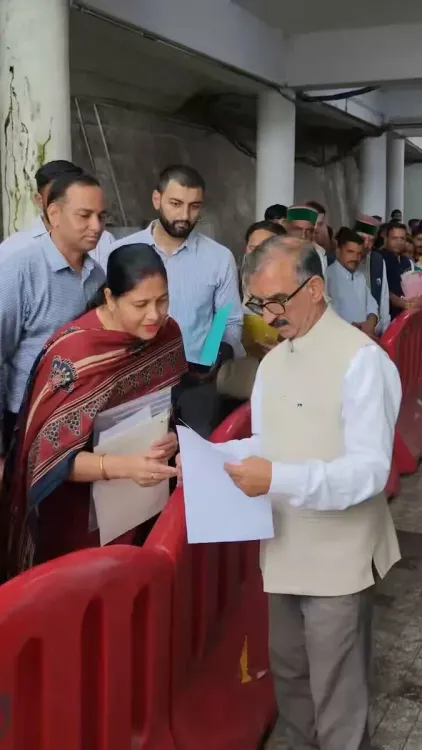
The Chief Minister's Office of Himachal Pradesh held a Jan Sunwai (public grievance hearing) in Shimla on 25 July 2026 .
Citizens were met in person and their problems heard directly by the leadership.
Concerned officials were directed to provide swift and effective resolution of grievances raised.
The CMO described listening to citizens and ensuring time-bound solutions as a core part of its work culture.
The session is consistent with Himachal Pradesh 's established tradition of direct public outreach across successive governments.
The national CPGRAMS portal, launched in 2007 , complements such in-person hearings as a digital grievance channel for the state.
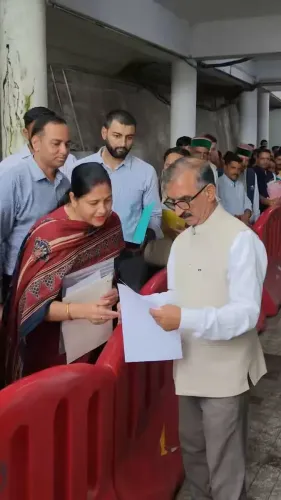
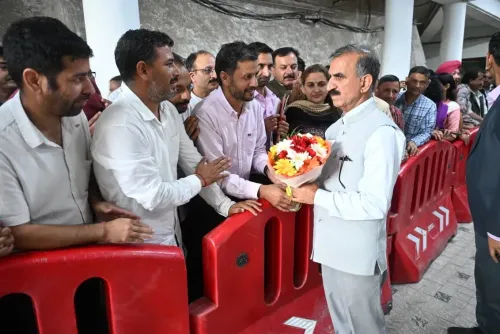
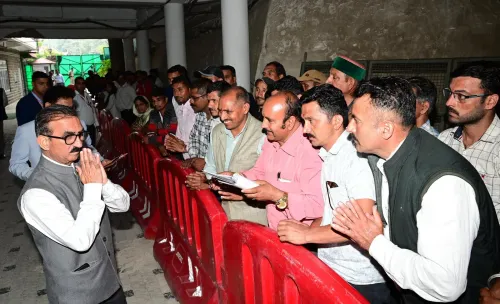
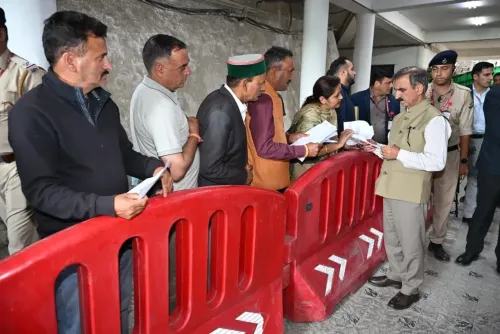
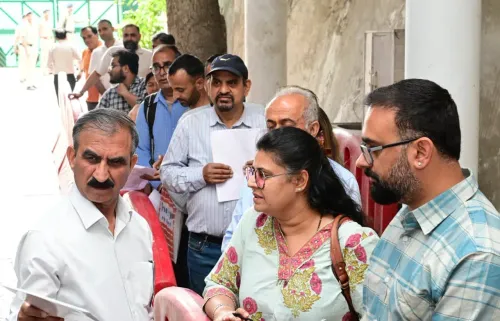
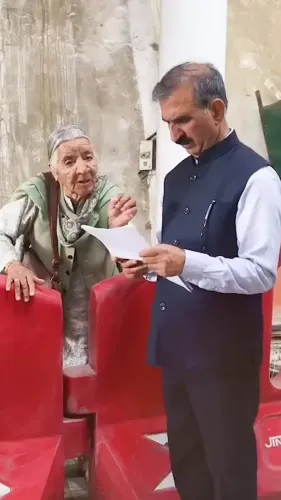
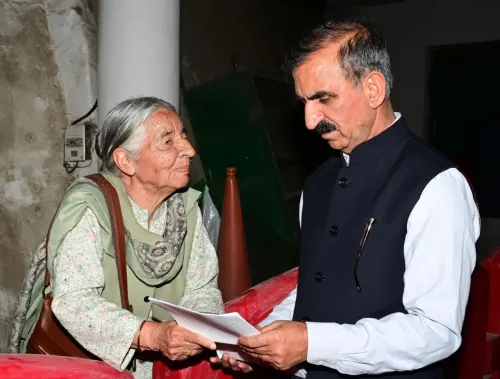
The Chief Minister's Office of Himachal Pradesh on Saturday, 25 July 2026, announced that a public grievance hearing — known as Jan Sunwai — was conducted in Shimla, where citizens were met in person and their concerns heard, with relevant officials directed to ensure swift and effective resolution.
Context
The CMO's post, written in Hindi, stated: 'Shimla mein logon se bhent kar unki samasyaon ko suna aur unke tvrit evam prabhavi samadhan ke liye sambandhit adhikariyon ko nirdeshit kiya' — 'Met people in Shimla, listened to their problems, and directed the concerned officials for their swift and effective resolution.' The statement underscored that listening to every individual who attends a Jan Sunwai, understanding their expectations, and ensuring time-bound solutions is an integral part of the government's work culture.
The interaction took place in Shimla, the capital of Himachal Pradesh, which serves as the administrative nerve centre of the hill state. A video accompanying the post documented the proceedings of the public hearing.
Policy Backdrop
Direct public hearings by state leadership have been a consistent feature of Indian state governance, allowing citizens to bypass bureaucratic layers and present grievances directly to senior officials. Himachal Pradesh has maintained this tradition across successive governments as part of its administrative routine.
At the national level, the Centralised Public Grievance Redress and Monitoring System (CPGRAMS), launched in 2007, provides a structured digital channel for citizen complaints across central and state governments, including Himachal Pradesh. The Jan Sunwai format complements such digital mechanisms by offering face-to-face access to governance.
Stakeholders and Impact
The primary beneficiaries of such hearings are common citizens of Himachal Pradesh — particularly those from remote hill districts who may face challenges navigating formal complaint portals. Direct interaction with the Chief Minister's Office provides an accessible avenue for redressal of local issues ranging from land disputes to public service delivery.
Concerned departmental officials are placed under direct instruction to act within defined timelines, creating accountability that supplements routine bureaucratic channels. The emphasis on 'samayabaddh samadhan' — time-bound resolution — signals a commitment to measurable outcomes rather than procedural acknowledgement alone.
What's Next
The outcomes of grievances registered at the 25 July hearing are expected to be tracked through departmental follow-up, consistent with the government's stated work culture of ensuring resolution. Broader accountability on grievance redressal timelines may surface during state assembly sessions or budget discussions, where administrative performance is subject to legislative scrutiny. Continued Jan Sunwai sessions in other districts of Himachal Pradesh could follow as part of the government's outreach calendar.
Point of View
The office is staking a reputational claim on responsive administration. Such messaging tends to intensify ahead of assembly sessions or electoral cycles, when citizen satisfaction with service delivery becomes a key metric. The emphasis on in-person hearings also reflects an implicit acknowledgement that digital grievance portals alone do not reach all segments of Himachal Pradesh's dispersed, hill-terrain population.
NationPress
25 Jul 2026
Frequently Asked Questions
What is a Jan Sunwai in Himachal Pradesh?
A Jan Sunwai is a public grievance hearing where citizens can meet senior government representatives in person to present their problems and seek resolution. In Himachal Pradesh, such sessions are conducted in Shimla and other locations as part of the state's governance outreach.
What happened at the Shimla Jan Sunwai on 25 July 2026?
The Chief Minister's Office of Himachal Pradesh met citizens in Shimla on 25 July 2026, listened to their grievances, and directed the relevant officials to ensure swift and effective resolution of each issue raised.
How does Himachal Pradesh handle public grievances?
Himachal Pradesh uses both in-person Jan Sunwai sessions and digital platforms such as the national CPGRAMS portal, launched in 2007, to handle citizen complaints and track their resolution.
What is CPGRAMS and how does it relate to Himachal Pradesh?
CPGRAMS, the Centralised Public Grievance Redress and Monitoring System, was launched by the Government of India in 2007. It allows citizens in states including Himachal Pradesh to file complaints online and monitor their status through a structured digital mechanism.
Why does the HP Chief Minister's Office conduct public hearings?
The Chief Minister's Office conducts public hearings to provide citizens — especially those in remote hill areas — direct access to governance, bypassing bureaucratic layers and ensuring accountability through time-bound resolution of complaints.