HP CM Office: MSP for Gobar-Based Farming Crops
Synopsis
Himachal Pradesh confirms MSP-linked procurement for crops grown under gobar-based natural farming, promising farmers dual income by cutting input costs and guaranteeing a price floor — a move aimed at strengthening rural village economies.
Key Takeaways
The Chief Minister's Office of Himachal Pradesh confirmed on 19 November 2026 that major crops from gobar-based farming will be procured at Minimum Support Price (MSP) .
The government described this as a 'double income' benefit — savings from reduced chemical inputs plus a guaranteed floor price.
The stated goal is to generate new livelihood opportunities within villages , reducing pressure for rural-to-urban migration.
MSP is a central government instrument; HP's decision to apply it specifically to gobar-based farming turns national policy into a targeted rural incentive.
Exact crops covered and full budget allocations have not yet been officially published.
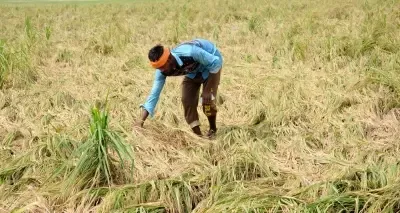
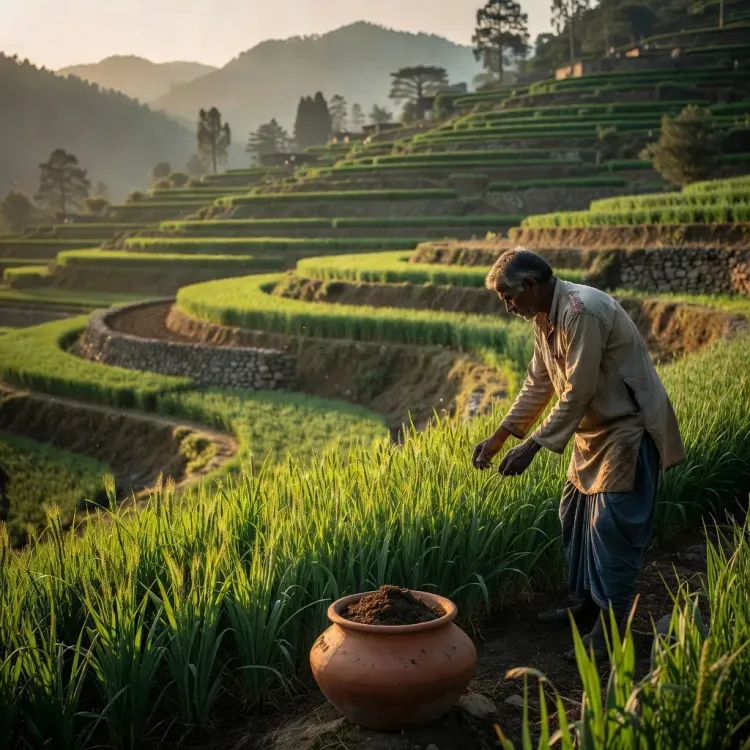
Himachal Pradesh's farmers practising gobar-based (gobar-aadharit) agriculture are set to earn from two directions at once — the state government has confirmed that major crops grown under this natural farming method will be procured at Minimum Support Price, adding a guaranteed market to an already soil-friendly practice.
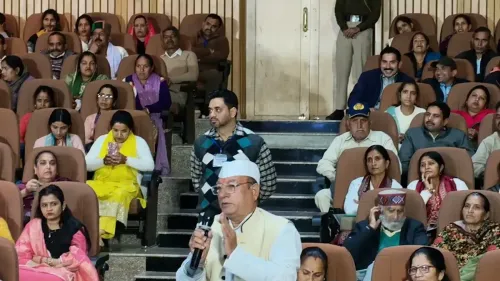
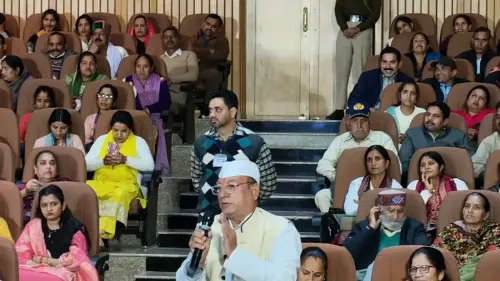
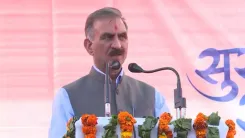
The Chief Minister's Office of Himachal Pradesh posted on 19 November 2026, underlining the dual-income logic at the heart of the initiative. The post stated: 'Major crops of farmers practising gobar-based farming are also being procured at MSP. This will give farmers a double income. Our effort is to generate new income opportunities within the village itself, increase farmers' earnings, and strengthen the economic condition of village residents.'
Dual-income promise: what gobar farming plus MSP means for HP villages
The logic is straightforward — a farmer who switches to gobar-based methods cuts input costs by reducing dependence on chemical fertilisers. Layer guaranteed MSP procurement on top, and the same field yields both a cost saving and a price floor. That combination is what the government means by 'double income' (dohari aay).
Minimum Support Price is a central government mechanism that sets a floor price for select agricultural commodities, shielding growers from market crashes. When a state like Himachal Pradesh aligns its procurement machinery with that floor for a specific category of farmers, it effectively turns a broad national policy into a targeted rural subsidy — without calling it one.
Himachal Pradesh in India's natural-farming push
HP's move fits a wider national arc. Indian states have increasingly linked organic and natural farming methods with assured public procurement, treating the two levers as inseparable. The rationale: ecological farming only scales if it pays. Without a market guarantee, the transition risk falls entirely on the farmer.
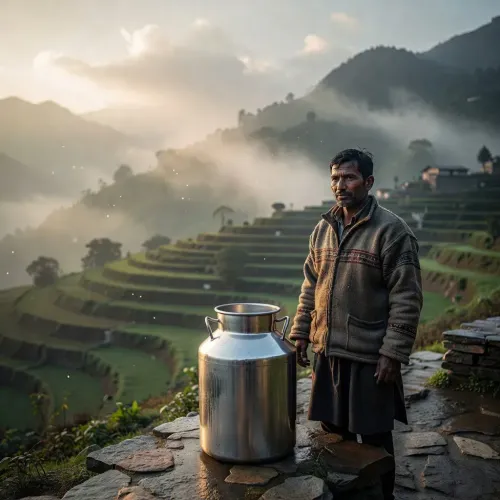
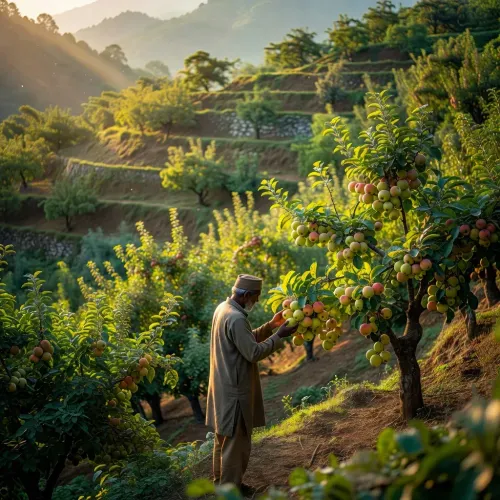
Himachal Pradesh, a northern hill state where agriculture anchors rural livelihoods across difficult terrain, has particular incentive to pursue lower-input, higher-margin farming. Chemical inputs cost more to transport to mountain villages; gobar-based methods that use on-farm resources reduce that burden structurally.
The government's stated goal of creating income opportunities 'within the village itself' signals a deliberate counter to rural-to-urban migration — a pressure that hill states feel acutely as younger generations weigh agricultural life against urban wages.
Exact crops covered under the MSP-linked procurement and the specific budget allocations for scaling this programme are details the state government has yet to publish in full — those rollout specifics will determine how wide the net actually is.
The ambition, however, is clear: make the village economically competitive on its own terms, one cow-dung-enriched field at a time.
Point of View
Not just exhortation. It also signals that hill states are adapting national farm-income frameworks to local terrain realities where chemical inputs are a logistics cost as much as an agronomic one. The 'village-first income' framing is a direct policy response to migration pressures — a challenge that defines HP's rural political economy. Whether the programme delivers will hinge on procurement infrastructure and the breadth of crops covered, details the government must soon put in the public domain.
NationPress
19 Nov 2026
Frequently Asked Questions
What is gobar-based farming in Himachal Pradesh?
Gobar-based farming refers to natural or organic agriculture that uses cow dung as the primary input for soil nutrition, reducing dependence on chemical fertilisers. Himachal Pradesh has been promoting this approach to lower input costs for farmers and improve soil health.
Will HP farmers doing gobar farming get MSP for their crops?
Yes. The Chief Minister's Office of Himachal Pradesh confirmed on 19 November 2026 that major crops grown by farmers practising gobar-based farming will be procured at Minimum Support Price, providing a guaranteed floor price.
What does 'double income' mean for HP gobar farmers?
The government's 'double income' claim refers to two simultaneous gains: reduced production costs because gobar-based methods cut spending on chemical inputs, and assured revenue because the state will procure crops at MSP rather than leaving farmers to market price volatility.
How does MSP work and who sets it?
Minimum Support Price is set by the central government and guarantees farmers a minimum price for select crops regardless of market conditions. When a state government arranges procurement at MSP, it uses that floor price as the basis for buying farmers' produce through state agencies.
Which crops are covered under HP's gobar farming MSP scheme?
The specific crops covered under the MSP-linked procurement for gobar-based farming in Himachal Pradesh have not been officially detailed yet. The government's announcement covers 'major crops' of such farmers, but a full crop list is awaited.