HP CM Office urges residents to avoid rivers, landslide zones
Synopsis
The Chief Minister's Office of Himachal Pradesh issued a monsoon safety advisory on 2 July 2026, urging residents to avoid rivers, streams, and landslide-prone zones and to strictly follow guidance from district administrations and the India Meteorological Department.
Key Takeaways
The Chief Minister's Office of Himachal Pradesh posted a public safety advisory on 2 July 2026 amid the monsoon season.
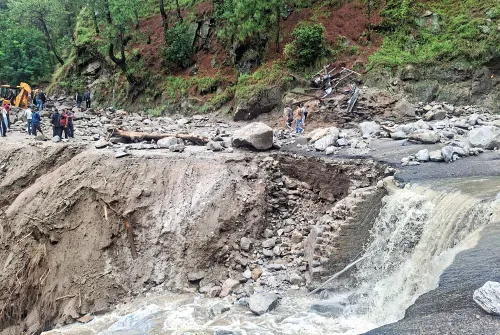
Residents were urged to stay away from rivers, streams, and landslide-prone areas .
Citizens were asked to strictly follow advisories from district administrations and the India Meteorological Department (IMD) .
The advisory is grounded in the Disaster Management Act, 2005 framework, which mandates state-IMD-district coordination during extreme weather.
Districts including Kullu, Mandi, Shimla, Kangra, and Chamba are historically among the highest-risk areas for flood and landslide casualties.
Further escalation — including evacuation orders and road closures — will depend on IMD extended-range forecasts for July-August 2026.
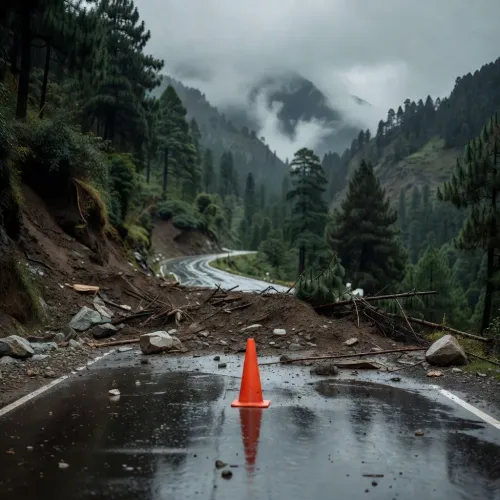
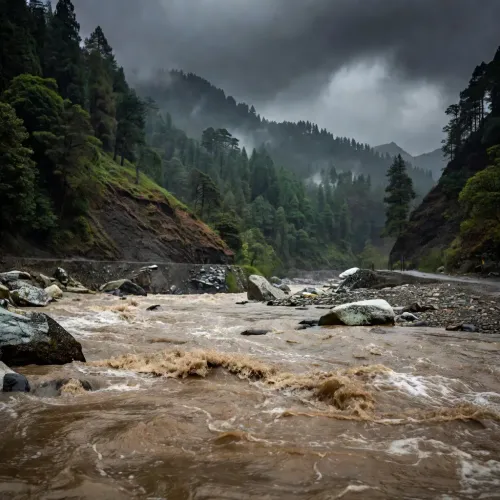
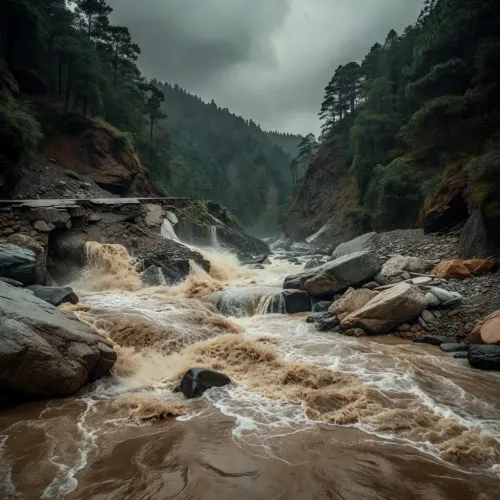
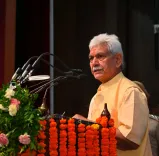
The Chief Minister's Office of Himachal Pradesh issued a public safety advisory on Thursday, 2 July 2026, urging all residents of the state to stay away from rivers, streams, and landslide-prone areas during the ongoing monsoon season. The advisory, posted on the office's official X account, also called on citizens to strictly follow all guidelines issued by district administrations and the meteorological department.
The post, written in Hindi, reads: 'प्रदेशवासियों से आग्रह है कि नदी-नालों और भूस्खलन संभावित क्षेत्रों से दूर रहें' ('Residents are urged to stay away from rivers, streams, and landslide-prone areas') and adds, 'Your safety is our highest priority. Take care of yourself and your family.'
Context
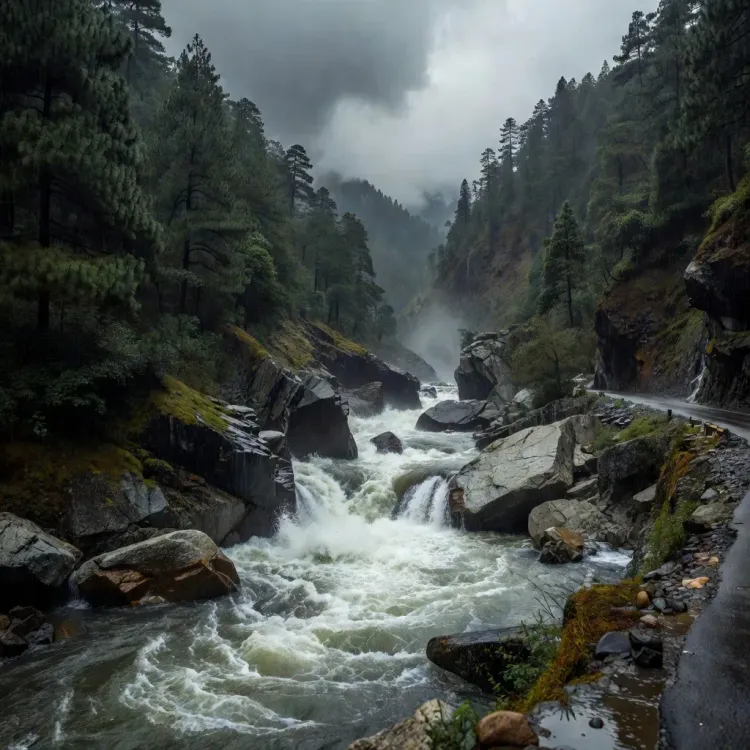
Himachal Pradesh is among India's most disaster-vulnerable states during the monsoon months, given its Himalayan terrain, steep slopes, and river valleys. Heavy rainfall routinely triggers flash floods along rivers such as the Beas, Sutlej, and Ravi, while saturated hillsides give way to landslides that can cut off roads and damage settlements within minutes. The Chief Minister's Office regularly uses its official social media channels to amplify safety messaging during periods of heightened meteorological risk.
Policy Backdrop
The advisory draws its institutional authority from the framework established by the Disaster Management Act, 2005, which mandated the creation of the National Disaster Management Authority (NDMA) and corresponding state-level bodies. Under this framework, state governments are required to coordinate with the India Meteorological Department (IMD) and district administrations to issue timely public warnings. Himachal Pradesh has institutionalised this practice over successive administrations, treating monsoon advisories as a non-negotiable component of seasonal governance. The IMD issues colour-coded alerts — yellow, orange, and red — for rainfall intensity, and district collectors are empowered to enforce evacuations and restrict movement in high-risk corridors.
Stakeholders and Impact
The advisory directly concerns residents living near river banks, hill slopes, and low-lying valleys across the state's 12 districts. Communities in areas such as Kullu, Mandi, Shimla, Kangra, and Chamba — which have historically recorded the highest incidence of flood and landslide casualties — are most immediately affected. Tourists visiting hill stations and trekking routes are also implicitly covered by the warning, as the state receives significant visitor footfall during summer months that overlaps with the early monsoon period.
District administrations bear the operational responsibility of translating the advisory into ground-level action: setting up relief camps, deploying State Disaster Response Force (SDRF) teams, and restricting vehicular movement on vulnerable stretches of highway. The advisory reinforces their authority to act.
What's Next
Authorities and residents will be watching IMD's extended-range monsoon forecasts closely for any escalation to orange or red alerts, which would trigger more stringent district-level restrictions. Subsequent announcements from the Chief Minister's Office or individual district collectors may include specific evacuation orders, relief distribution updates, or road closure notices. The broader pattern across Himalayan states suggests that the frequency of such advisories is likely to increase through July and August 2026, the peak months of the northwest monsoon in the region.
Point of View
' the Chief Minister's Office signals political accountability while delegating operational enforcement to district administrations — a division of labour central to India's post-2005 disaster management architecture. The timing and tone also serve a secondary function: pre-empting criticism in the event of casualties by demonstrating that warnings were issued proactively. As climate patterns intensify monsoon variability across the western Himalayas, such advisories are becoming a routine instrument of governance rather than an exceptional response.
NationPress
2 Jul 2026
Frequently Asked Questions
Why has the Himachal Pradesh government issued a monsoon safety advisory?
The Chief Minister's Office of Himachal Pradesh issued the advisory on 2 July 2026 to warn residents to stay away from rivers, streams, and landslide-prone areas as the monsoon season brings heightened risk of flash floods and slope failures across the state.
Which areas in Himachal Pradesh are most at risk during the monsoon?
Districts such as Kullu, Mandi, Shimla, Kangra, and Chamba have historically recorded the highest incidence of flood and landslide incidents during the monsoon and are considered the most vulnerable zones.
What should residents of Himachal Pradesh do during the monsoon?
Residents should avoid river banks, streams, and landslide-prone hillsides, and must strictly follow all advisories issued by their district administration and the India Meteorological Department (IMD).
What role does the IMD play in Himachal Pradesh's monsoon preparedness?
The India Meteorological Department issues colour-coded rainfall and landslide alerts for Himachal Pradesh, which district administrations use to enforce evacuations, restrict movement, and deploy disaster response teams.
What law governs disaster management advisories in India?
The Disaster Management Act, 2005 established the National Disaster Management Authority and mandated a framework requiring state governments to coordinate with the IMD and district bodies to issue timely public warnings during extreme weather events.