HP CM Spends Night in Remote Churah Village Under 'Sarkar Gaon Ke Dwar'
Synopsis
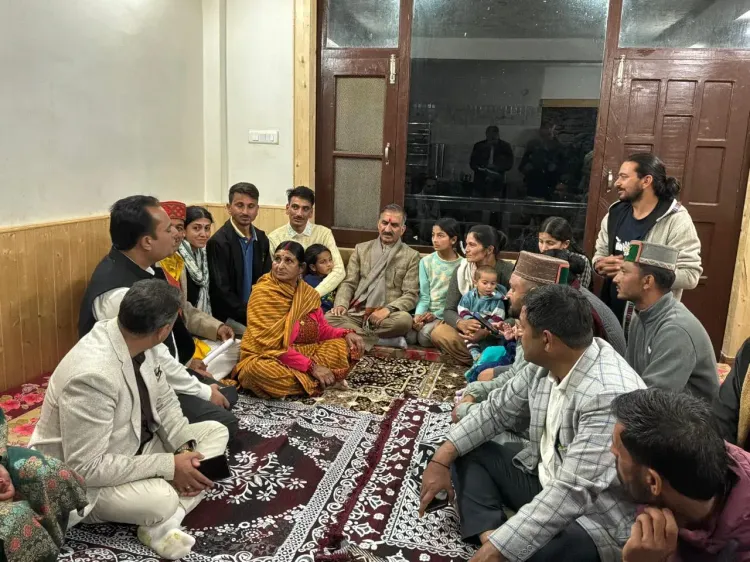
Himachal Pradesh's Chief Minister spent the night at a villager's home in remote Dehgran, Churah, under the 'Sarkar Gaon Ke Dwar' scheme — eating traditional maize bread, mustard greens and wheat sweets — bringing state governance directly to one of Chamba's most inaccessible settlements.
Key Takeaways
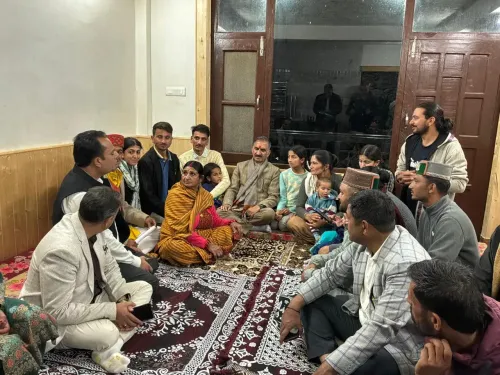
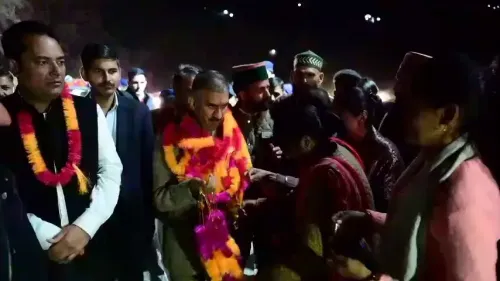
The Chief Minister of Himachal Pradesh stayed overnight at Ram Krishna Tiwari's home in Dehgran village, Churah, Chamba district .
The visit was part of 'Sarkar Gaon Ke Dwar' , an HP government programme for direct outreach and grievance redressal in remote villages.
The Tiwari family served a traditional local meal: makki ki roti, sarson ka saag , and wheat sweet 'aehan' .
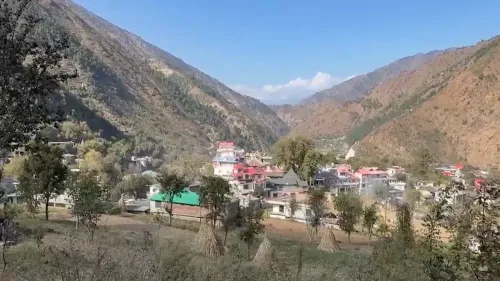
Churah is a hilly, difficult-terrain constituency in Chamba district where routine administrative access is limited.
The programme is part of a broader state effort to address last-mile service delivery challenges across Himachal Pradesh's roughly 17,000-plus villages .
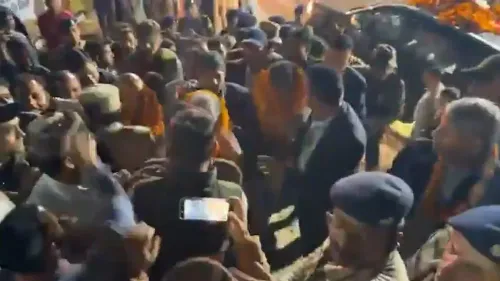
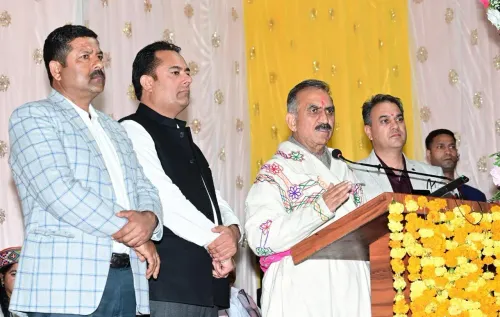
In the rugged, road-scarce hills of Churah in Chamba district, Himachal Pradesh, governance arrived not in a convoy that turned back by sundown — but stayed the night. The Chief Minister's Office of Himachal Pradesh shared on Thursday, 5 November 2026, that the Chief Minister had spent the previous night at the home of Ram Krishna Tiwari in the remote village of Dehgran, as part of the state's outreach initiative 'Sarkar Gaon Ke Dwar' — literally, 'Government at the Village's Doorstep.'
The post, shared in Hindi, described a meal that said everything about the evening: makki ki roti, sarson ka saag (maize flatbread and mustard greens), and a traditional wheat sweet called 'aehan' — all served, the CMO wrote, 'with great love' by the Tiwari family. It was a scene far removed from the marble corridors of Shimla's secretariat.
What 'Sarkar Gaon Ke Dwar' Actually Does in Villages Like Dehgran
Sarkar Gaon Ke Dwar is Himachal Pradesh's structured outreach programme designed to carry state administration directly to villages that cannot easily carry their problems to the state. Officials — and in this case, the Chief Minister himself — travel to remote settlements for direct grievance redressal, scheme enrollment, and face-to-face interaction with residents who might otherwise never meet a government representative above the panchayat level.
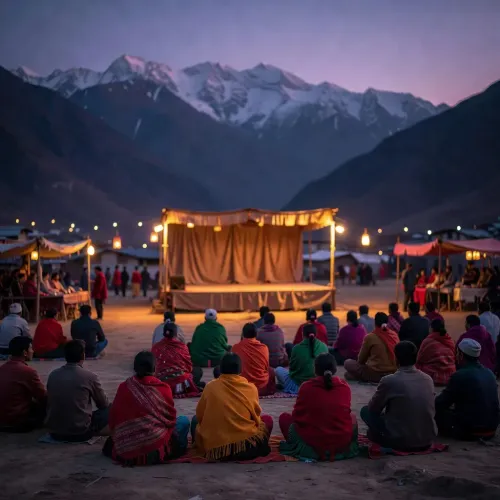
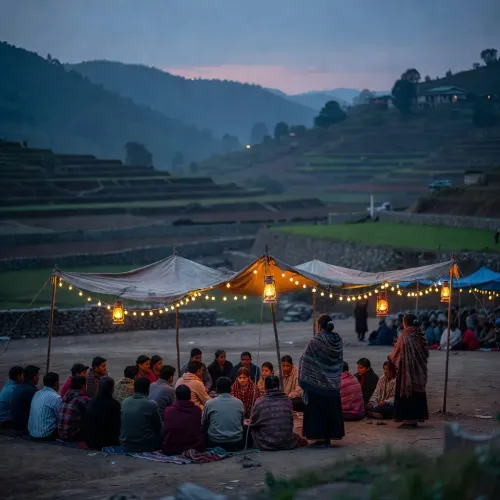
Churah, a constituency nestled deep in Chamba district, is exactly the kind of terrain this programme was built for: steep, forested, with villages scattered across ridgelines and valleys that make routine administrative contact genuinely difficult. Dehgran is among the more inaccessible of these settlements — the kind of place where an overnight stay is not a photo opportunity but a logistical necessity.
The Politics of Eating Makki Ki Roti in a Villager's Home
Overnight immersion visits by senior leaders — sleeping in ordinary homes, eating local food — carry deliberate political and administrative weight in Indian state politics. They signal accessibility, compress the distance between the governed and the governing, and generate immediate local goodwill. They also, crucially, force officials to witness infrastructure gaps, road conditions, and daily hardships firsthand rather than through reports.
Himachal Pradesh, with its dispersed mountain population and roughly 17,000-plus villages, has consistently faced the challenge of last-mile service delivery. Programmes like Sarkar Gaon Ke Dwar are the state's answer to that geography — an acknowledgment that in a state like this, waiting for citizens to come to government is not governance at all.
The Tiwari family's hospitality — 'aehan' and all — may have been a single evening's warmth. But for a village like Dehgran, a Chief Minister at the dinner table is a signal that the state has not forgotten the road that runs out before it reaches your door.
Point of View
Village immersion visits by the Chief Minister are as much about political optics as they are about genuine administrative reach. The emphasis on traditional hospitality and local cuisine in the official post is a deliberate soft-power signal — projecting a government that is culturally attuned, not merely transactionally present. Whether the programme translates into measurable improvements in service delivery in Churah and Chamba's other remote pockets remains the harder, longer-term question.
NationPress
5 Nov 2026
Frequently Asked Questions
What is the 'Sarkar Gaon Ke Dwar' programme in Himachal Pradesh?
'Sarkar Gaon Ke Dwar' is a Himachal Pradesh government outreach initiative that takes senior officials and the Chief Minister directly to remote villages for grievance redressal, scheme enrollment, and face-to-face interaction with residents who have limited access to government offices.
Where is Dehgran village located?
Dehgran is a remote village in the Churah constituency of Chamba district, Himachal Pradesh, characterised by difficult hilly terrain and limited road connectivity.
Who is Ram Krishna Tiwari in the context of the CM's visit?
Ram Krishna Tiwari is a local resident of Dehgran village who hosted the Himachal Pradesh Chief Minister overnight during the 'Sarkar Gaon Ke Dwar' programme, with his family serving a traditional meal.
What is 'aehan', the food mentioned in the CM's post?
'Aehan' is a traditional Himachali sweet made from wheat, served by the Tiwari family of Dehgran alongside makki ki roti (maize flatbread) and sarson ka saag (mustard greens) during the Chief Minister's overnight visit.
Why does the HP government organise overnight village stays?
Himachal Pradesh's mountainous landscape and dispersed population make last-mile administration difficult; overnight village stays under programmes like 'Sarkar Gaon Ke Dwar' allow officials to interact directly with residents, witness local conditions, and address grievances in settlements that rarely receive government attention.